
Palash Flowers: Uses
Importance, Medicinal Uses, Puja Significance, Cultivation and Export
1. Introduction: Why Are Palash Flowers Special?
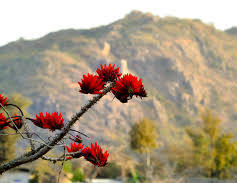
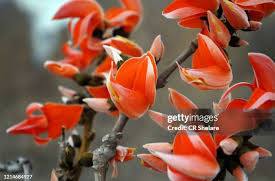
Palash is one of India’s most beautiful and culturally important trees. When its branches become covered with bright orange, red-orange or flame-coloured flowers, the tree looks as if it is burning with natural fire. This is why it is commonly called the “Flame of the Forest.”
Palash is known by several names, including Tesu, Dhak, Palasha and Kinshuk. Its botanical name is Butea monosperma, and it belongs to the legume family, Fabaceae.
For generations, people have valued this tree for its flowers, leaves, bark, seeds and natural gum. It is associated with traditional Ayurveda, folk medicine, religious practices, natural dyes and rural life.
However, its traditional importance and its scientifically proven medical benefits are not exactly the same. Understanding both sides helps us use this natural resource responsibly.
2. Where Is the Palash Tree Found?
Palash is native to the Indian subcontinent and grows in many tropical and subtropical regions. It is found in India and other parts of South and Southeast Asia.
In India, Palash can be seen in parts of:
- Uttar Pradesh, Madhya Pradesh and Rajasthan
- Bihar, Jharkhand and Chhattisgarh
- Maharashtra and Odisha
- West Bengal and other suitable regions
- Forest areas, village commons, open land and dry deciduous forests
The tree can grow in a range of soil conditions, including relatively dry and less fertile land. It generally prefers warm conditions and can tolerate seasonal dryness once established.
Palash is a deciduous tree, meaning it sheds its leaves during part of the year. Its flowering season varies with location and weather, but flowers are commonly seen during the late winter and spring months.
3. What Are the Main Parts of the Palash Tree?
Different parts of the tree have different traditional and practical uses.
Flowers: Used for natural colours, decoration, cultural activities and traditional herbal preparations.
Leaves: Traditionally used to make leaf plates and bowls, and in some folk remedies. Their broad shape makes them useful for serving food when prepared hygienically.
Bark: Contains plant compounds and produces a reddish gum-like exudate known as Bengal kino in traditional and botanical literature.
Seeds: Used in certain traditional medicinal preparations, but they should not be eaten or used as a home remedy without professional guidance.
Roots and young plant parts: Mentioned in some traditional systems of medicine, although their medicinal use requires proper identification and safety assessment.
Wood and branches: Have local uses, including fuel and other rural applications. Harvesting should be managed sustainably so that trees are not damaged unnecessarily.
4. What Are the Medicinal Properties of Palash Flowers?
Palash flowers contain naturally occurring plant compounds, including flavonoids and other phenolic substances. Researchers have investigated these compounds for antioxidant, anti-inflammatory and other biological activities.
Laboratory and animal studies have reported promising results for some Palash extracts. However, results from laboratory experiments do not automatically prove that eating the flowers will treat a disease in humans.
Traditional medicine has associated Palash with several health conditions, but the strength of evidence differs from one use to another.
Possible areas of research
- Antioxidant activity: Some flower compounds have shown activity in laboratory tests related to oxidative stress.
- Inflammation: Certain extracts have demonstrated anti-inflammatory effects in experimental research.
- Blood sugar: Some studies have explored potential effects on glucose regulation, but Palash should not replace diabetes medication.
- Microorganisms: Laboratory research has examined antimicrobial activity against selected organisms.
- Skin and wound care: Traditional uses and experimental research have prompted further investigation, but a home-prepared extract is not a substitute for appropriate wound treatment.
More well-designed human clinical studies are needed to establish which preparations are effective, what doses are safe and which patients should avoid them.
5. Can Palash Flowers Help With Gas and Stomach Problems?
Many people are interested in Palash because traditional herbal systems describe uses for digestive complaints. Nevertheless, there is not enough reliable human evidence to say that Palash flowers are a proven treatment for gas, bloating, acidity or general stomach upset.
Gas and indigestion can have many causes, including eating too quickly, constipation, food intolerance, reflux or other digestive conditions.
For occasional gas, some simple measures may help:
- Eat slowly and chew food properly.
- Reduce fizzy drinks if they increase bloating.
- Notice whether particular foods trigger symptoms.
- Drink enough water and remain physically active.
- Seek medical advice if symptoms persist or repeatedly return.
Do not drink a concentrated Palash flower decoction or take its powder to treat stomach problems without guidance from a qualified healthcare professional. The correct preparation and safe dose have not been established for many traditional uses.
Severe abdominal pain, repeated vomiting, blood in the stool, unexplained weight loss or persistent digestive symptoms need medical assessment.
6. Does Palash Help With Other Diseases?
In Ayurveda and other traditional practices, different parts of Palash have been used for a range of complaints, including certain skin problems, intestinal parasites, diarrhoea and inflammatory conditions.
Modern research has investigated extracts for possible antidiabetic, liver-protective, antimicrobial and other effects. These findings are promising areas for research, not proof that Palash can cure these diseases.
A person with diabetes, liver disease, a serious infection or another ongoing condition should not stop prescribed treatment in favour of Palash. Plant extracts can also have side effects or interact with medicines.
Pregnant or breastfeeding people, children and people taking regular medication should be particularly careful about consuming medicinal preparations made from Palash.
7. Is Palash Used in Puja and Religious Traditions?
Yes. Palash has a place in Indian religious and cultural traditions. It is mentioned in traditional literature and is regarded as a sacred or auspicious plant in some Hindu practices.
Depending on the region and the particular ritual, different parts of the tree may be used in religious activities.
- Flowers: Their bright colour makes them useful for traditional decoration and some ritual practices.
- Leaves: In some communities, Palash leaves are used for leaf plates, bowls and ritual purposes.
- Wood and twigs: They may have a role in particular traditional fire rituals, depending on local custom and the ritual instructions.
- Natural colour: Flowers have historically been used to prepare yellow-orange or saffron-toned colours for cultural celebrations.
Practices differ among regions, families and religious traditions. Palash is not necessarily required in every puja, and people should follow the instructions of their own tradition rather than assume that one method applies everywhere.
8. Palash Flowers and Holi: Natural Colour From Nature
Before synthetic colours became widespread, Palash flowers were traditionally used in some regions to make natural colours for Holi.
The flowers can release yellow-orange pigments into water. A traditional colour preparation may involve soaking or gently heating the flowers, followed by filtering the liquid.
Natural colour is an attractive alternative for cultural activities, but “natural” does not automatically mean safe for every person. The flowers must be correctly identified, collected from clean areas and prepared hygienically. Avoid plants exposed to pesticides, roadside pollution or industrial contamination, and discontinue use if irritation occurs.
Commercial natural-colour products should clearly identify their ingredients and follow applicable safety requirements.
9. Are Palash Leaves Useful?
Yes. Palash leaves have practical as well as traditional value.
In some parts of India, the leaves are stitched or pressed into plates and bowls. These products can provide a local alternative to certain disposable tableware products when made and used hygienically.
The leaves are also mentioned in traditional medicine, but medicinal claims should be evaluated separately from their everyday uses. A leaf being useful as a plate does not establish that it is safe or effective to consume as a medicinal preparation.
Leaves can also support local biodiversity by providing habitat and resources for insects and other organisms.
10. What Is Palash Gum, and Is It Useful?
When the bark is damaged, Palash may release a reddish gum-like material known in traditional literature as Bengal kino. It has historical uses in traditional preparations and has attracted interest because of its plant constituents.
This material should not be confused with every other plant gum sold in markets. The source plant and identity of a gum matter, especially when it is intended for food or medicinal use.
Commercial use requires correct botanical identification, suitable processing, quality control and compliance with the rules governing the intended product.
11. How Can Palash Be Cultivated?
Palash can be grown as a tree on suitable land, including some dry and relatively low-fertility sites. It may be suitable for ecological restoration, farm boundaries and other planting projects where local conditions are appropriate.
A general cultivation process is as follows:
Step 1: Select a suitable location. Choose a warm, well-drained site with enough space for the tree to mature.
Step 2: Obtain correctly identified seeds or planting material. Buy from a reliable nursery or seed supplier and confirm that the plant is Butea monosperma.
Step 3: Prepare the soil. Remove competing weeds and loosen the soil around the planting site. Avoid waterlogged locations.
Step 4: Sow or transplant. Follow nursery or forestry guidance for seed treatment, sowing depth and transplanting. Germination and establishment depend on seed quality and conditions.
Step 5: Water young plants. Water during establishment and dry spells, while avoiding waterlogging.
Step 6: Protect the saplings. Protect young trees from grazing animals, accidental cutting and fire.
Step 7: Maintain the trees. Control competing weeds when necessary and avoid excessive pruning or bark damage.
Step 8: Harvest responsibly. Collect flowers only where permitted and without damaging branches or removing so much that it harms the tree or local wildlife.
Before growing Palash commercially, farmers should check local climate suitability, nursery availability, demand, harvesting rules and the expected time before a plantation becomes productive.
12. What Products Can Be Made From Palash?
With proper quality control and a clear market, Palash may support several small-business opportunities.
| Product | Possible use |
|---|---|
| Dried flowers | Traditional preparations, decorative use and approved herbal supply chains |
| Natural flower colour | Cultural and craft applications |
| Leaf plates and bowls | Food service and local disposable tableware |
| Plant extracts | Research and regulated herbal-product development |
| Bark-derived gum | Specialised traditional or industrial applications, subject to quality requirements |
| Nursery saplings | Farm planting, landscaping and ecological restoration |
These opportunities do not guarantee profit. Businesses should investigate customer demand, collection costs, processing methods, product shelf life, safety standards and applicable licences before investing.
Products marketed for treating diseases need especially careful evidence, labelling and regulatory compliance.
13. How Many People Use Palash? Is There a Percentage?
There is no reliable, widely accepted national percentage available to state how many Indians use Palash flowers for medicine, puja, natural colours or other purposes.
Its use varies by region, tradition, availability and access to commercial products. Some communities may know the tree well, while many urban consumers may recognise its flowers but rarely use them medicinally.
It would be misleading to say that a particular percentage of India’s population uses Palash without a credible survey that defines exactly what “use” means.
A proper survey would need to distinguish between people who use Palash in puja, people who buy natural colours, people who use leaf plates and people who consume medicinal products.
14. Does India Import or Export Palash Flowers?
Palash has potential commercial value, but reliable public trade figures specifically for Palash flowers are not readily available in a form that supports a trustworthy export or import percentage.
The trade may involve dried flowers, plant extracts, leaves, seeds or other botanical materials. These products may be recorded under broader customs categories, so a general herbal-products trade figure cannot automatically be treated as a Palash-specific figure.
Before starting an export business, a seller should:
- Confirm the exact product and botanical identity.
- Check the applicable customs classification and current export requirements.
- Verify the destination country’s rules for botanical products.
- Check requirements for plant-health certification, pesticide residues, contaminants and packaging where applicable.
- Identify buyers and obtain written specifications before collecting or processing large quantities.
Potential markets should be assessed through actual buyer enquiries and official trade data. It is better to report that a Palash-specific figure is unavailable than to publish an invented export value.
15. How Can Palash Be Used Responsibly?
Palash deserves attention for its cultural value, natural beauty, traditional uses and potential contribution to rural livelihoods. Responsible use means protecting the tree while learning which applications are genuinely useful.
For households, the safest approach is to enjoy its flowers as part of nature and cultural traditions, use properly sourced products and avoid unverified medicinal doses. For farmers and entrepreneurs, the priority should be sustainable harvesting, correct identification and a market that supports conservation rather than destructive collection.
Conclusion: Palash Is More Than a Beautiful Flower
Palash is an important tree in India’s natural and cultural heritage. Its flowers are associated with traditional colours and rituals, its leaves have practical uses, and several parts of the tree have a history in Ayurveda and folk medicine.
Scientific research has identified interesting plant compounds and possible biological activities, but more human studies are needed before many medicinal claims can be considered established treatments. In particular, Palash should not be promoted as a proven cure for gas or stomach disorders.
By combining traditional knowledge with scientific evidence, safe practices and sustainable cultivation, we can appreciate Palash while protecting both human health and the environment.