

15 Masala Chai Varieties:
Tea is an important part of everyday life in India. Many people start their morning with a hot cup of chai, enjoy it with breakfast or pakoras in the evening, or share it with family and friends. But chai does not always have to taste the same. By using ginger, cardamom, cinnamon, tulsi, mint, lemongrass and other ingredients, we can prepare different flavours of tea at home.
The best part is that most masala chai recipes need only a few ingredients already available in the kitchen. You can choose milk tea, black tea, herbal infusions or lightly sweetened tea according to your taste.
One thing to remember is that healthy chai depends on its ingredients, sugar content, portion size and how much caffeine you consume. Spices can add flavour without requiring extra sugar, but adding many herbs does not automatically make a drink medicinal.
Here are 15 easy tea varieties that you can prepare at home.
1. Classic Masala Chai

Add to Favorites
Classic masala chai is a favourite for people who enjoy strong tea with milk and aromatic spices.
Ingredients
- 1 cup water
- ½ cup milk
- 1 teaspoon black tea leaves
- 1 small piece of crushed ginger
- 1 green cardamom
- A small piece of cinnamon
- 1–2 cloves, optional
- Sugar or jaggery, optional
Method: Boil the water with the ginger and spices for 2–3 minutes. Add tea leaves and simmer briefly. Add milk, bring it to a gentle boil, then strain and serve.
Healthy tip: Use less sugar and avoid boiling the tea for too long if you prefer a milder taste.
2. Ginger Chai (Adrak Chai)

Add to Favorites
Ginger chai has a warm, slightly sharp flavour and is especially popular during cold or rainy weather.
Ingredients: Water, milk, black tea, freshly crushed ginger and optional sugar.
Method: Boil the crushed ginger in water for a few minutes. Add tea leaves and milk, simmer briefly, strain and serve.
Why people enjoy it: Ginger gives the tea a refreshing flavour. It may help some people with nausea, but ordinary ginger chai is not a cure for a cold or infection.
3. Cardamom Chai (Elaichi Chai)

Add to Favorites
Cardamom chai has a sweet, floral aroma. It is a good option when you want fragrant tea without using several spices.
Ingredients: Water, milk, black tea, 1–2 lightly crushed green cardamom pods and optional sweetener.
Method: Simmer the cardamom in water, add tea leaves and milk, then strain.
Healthy tip: Cardamom provides plenty of flavour, so you may find that you need less sugar.
4. Kashmiri-Style Pink Chai

Pink chai is known for its unusual colour and creamy texture. Traditional Kashmiri noon chai is prepared using a special tea-making process, often involving green tea, baking soda, water and salt, followed by milk. Recipes vary, and the colour is not produced simply by adding pink food colouring.
Ingredients: Green tea suitable for noon chai, water, a tiny measured amount of baking soda, milk, salt and optional nuts.
Method: Follow a tested noon chai recipe, allowing enough time for the tea base to develop before adding milk. Garnish with a few chopped pistachios or almonds if desired.
Healthy tip: This tea can contain considerable salt, milk fat and calories depending on the recipe. Keep the salt modest, particularly if you have been advised to limit sodium.
5. Tandoori Chai

Tandoori chai is popular for its smoky aroma and traditional clay-cup presentation.
Ingredients: Your favourite prepared masala chai and a clean, food-safe clay cup designed for the intended heat.
Method: Prepare the chai normally. Commercial tandoori chai is finished using a very hot clay cup, but this technique requires special equipment and careful handling. At home, you can enjoy the flavour of masala chai in a kulhad without heating the cup to extreme temperatures.
Safety tip: Do not heat ordinary pottery or pour hot tea into a cup that is not designed for high temperatures. Thermal shock can cause it to crack.
6. Saffron Chai (Kesar Chai)

Kesar chai has a delicate aroma and a rich golden colour. It is a lovely choice for special mornings or when guests visit.
Ingredients
- 1 cup milk
- ½ cup water
- 1 teaspoon black tea leaves
- 2–3 strands of saffron
- 1 crushed cardamom pod
- Optional sweetener
Method: Warm the saffron in a little warm milk. Prepare the tea with water and cardamom, add milk and saffron, then strain.
Healthy tip: Saffron is expensive, so a small quantity is enough for flavour. You do not need to add extra sugar to make this tea enjoyable.
7. Lemongrass Chai

Lemongrass tea has a fresh, citrus-like aroma. You can prepare it with black tea or enjoy it as a caffeine-free herbal infusion.
Ingredients: 1 cup water, 1–2 pieces of fresh lemongrass, optional ginger and black tea leaves if desired.
Method: Wash and lightly crush the lemongrass. Simmer it in water for 5–7 minutes, strain and serve. Add black tea if you want a stronger chai.
Healthy tip: Try it without sugar. If you add black tea, the drink will contain caffeine.
8. Mint Chai (Pudina Chai)

Mint chai has a refreshing taste and is easy to prepare during warm weather.
Ingredients: 1 cup water, a small handful of washed mint leaves and optional black tea or ginger.
Method: Simmer the mint in water for about 5 minutes. Add black tea if desired, steep briefly and strain.
Healthy tip: Mint can make a drink feel refreshing, but it may worsen acid reflux in some people. Choose a version that suits your digestion.
9. Sulaimani Chai

Sulaimani chai is a popular style of black tea associated with Kerala and parts of South India. It is usually served without milk and may include lemon, cardamom or other spices.
Ingredients: Water, black tea leaves, a small piece of cardamom, optional ginger and a little lemon juice.
Method: Boil the spices briefly, add black tea and steep for 2–3 minutes. Strain and add lemon after the tea has cooled slightly.
Healthy tip: This is a simple option for people who prefer tea without milk. Use little or no sugar.
10. Jaggery Chai (Gud Chai)

Jaggery chai has a deep, caramel-like flavour. It is a popular alternative for people who enjoy the taste of traditional gud.
Ingredients: Water, milk, black tea, ginger and a small amount of jaggery.
Method: Prepare the tea with ginger and black tea. Add milk and simmer gently. Turn off the heat and allow the tea to cool slightly before stirring in the jaggery.
Healthy tip: Jaggery is not sugar-free. It still contains substantial sugar, so people managing diabetes or limiting added sugars should use caution.
11. Clove Chai (Laung Chai)

Clove chai has a strong, warming aroma. A little clove goes a long way, so you do not need to use many spices.
Ingredients: Water, milk, black tea, one clove and optional cardamom or ginger.
Method: Simmer the clove in water for a few minutes. Add tea leaves and milk, simmer briefly and strain.
Healthy tip: Use cloves as a flavouring, not as a concentrated medicinal ingredient. Large amounts of clove oil can be harmful.
12. Rose Chai (Gulab Chai)

Rose chai has a gentle floral fragrance and can feel special without requiring an elaborate recipe.
Ingredients: 1 cup milk or water, black tea if desired, a few food-grade dried rose petals and optional cardamom.
Method: Prepare the tea, add a few edible rose petals near the end, steep briefly and strain. Add milk if you prefer a creamy version.
Healthy tip: Use only rose petals specifically sold for food use. Flowers from bouquets or ornamental gardens may contain pesticides and should not be used in drinks.
13. Tulsi Chai

Tulsi chai combines the aroma of holy basil with the warmth of ginger. It can be made with black tea or as a herbal infusion without caffeine.
Ingredients: 1 cup water, 4–6 washed tulsi leaves, a small piece of ginger and optional black tea.
Method: Simmer the tulsi and ginger in water for about 5 minutes. Add black tea if desired, steep and strain.
Healthy tip: Tulsi is widely used in traditional Indian practices, but evidence that a cup of tulsi chai prevents or cures infections is limited. People taking regular medicines should ask a healthcare professional before using concentrated tulsi products frequently.
14. Chocolate Chai

Chocolate chai is ideal for people who enjoy both tea and cocoa. It can be prepared as an occasional treat or made less sweet for everyday enjoyment.
Ingredients
- 1 cup milk
- ½ cup water
- 1 teaspoon black tea leaves
- 1 teaspoon unsweetened cocoa powder
- A pinch of cinnamon
- Optional sweetener
Method: Mix the cocoa with a little warm milk to remove lumps. Prepare the tea separately, add the remaining milk and cocoa mixture, then simmer gently and strain if needed.
Healthy tip: Unsweetened cocoa provides a rich flavour without requiring much sugar. Remember that black tea and chocolate both contribute caffeine, although the amount varies.
15. Warming Winter Spice Chai

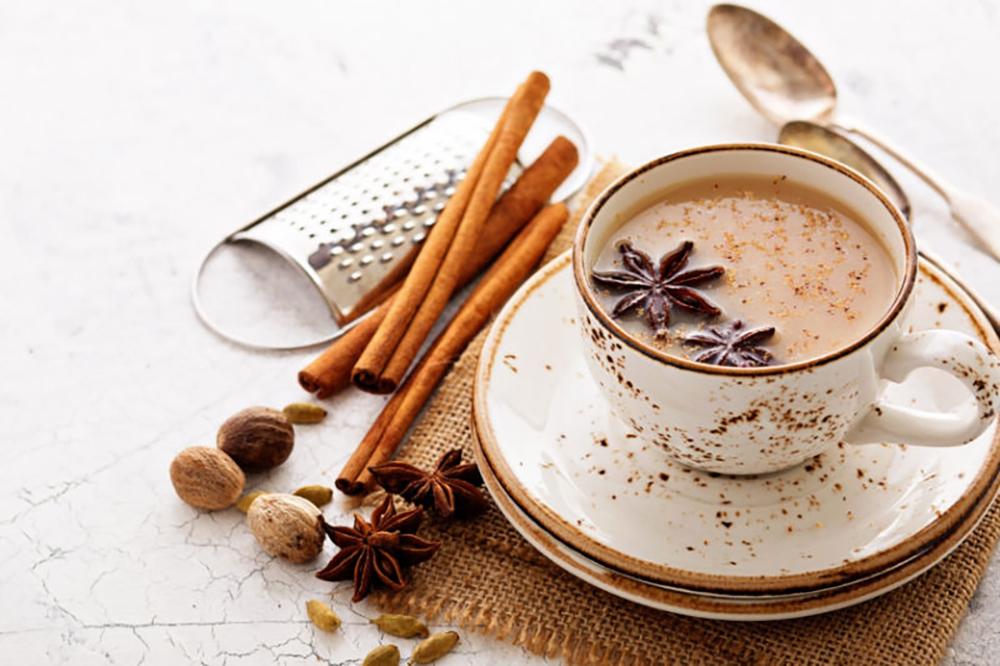
A warming winter spice chai can combine cinnamon, cardamom, ginger and a very small pinch of nutmeg. Star anise is optional.
Ingredients: Water, milk, black tea, a small piece of cinnamon, one cardamom pod and a little ginger. Add only a tiny pinch of nutmeg if desired.
Method: Simmer the spices in water, add black tea and milk, then strain and serve warm.
Healthy tip: Avoid using large amounts of nutmeg or concentrated spice extracts. If using star anise, choose a verified food-grade product because toxic Japanese star anise can be mistaken for edible varieties.
Which Masala Chai Is Best for Everyday Health?
You do not need an expensive ingredient or a complicated recipe to make a satisfying cup of tea. Start with a simple recipe and adjust it to your taste.
| Your preference | Tea to try |
|---|---|
| Strong, traditional flavour | Classic masala chai |
| Ginger aroma | Adrak chai |
| Fragrant and simple | Elaichi chai |
| Refreshing herbal drink | Lemongrass or mint tea |
| Tea without milk | Sulaimani chai |
| Floral fragrance | Rose chai |
| Herbal flavour | Tulsi infusion |
| Occasional sweet treat | Chocolate chai |
| Winter spices | Warming spice chai |
Five Simple Rules for Making Healthier Chai
- Reduce added sugar
Try gradually reducing sugar or jaggery rather than switching to heavily sweetened tea every day.
- Use spices for flavour
Ginger, cardamom and cinnamon can make chai aromatic without requiring extra sweetness.
- Keep caffeine in mind
Black tea contains caffeine. If caffeine affects your sleep, anxiety or heartbeat, choose a caffeine-free herbal infusion or reduce your intake.
- Use clean, food-grade ingredients
Wash fresh herbs thoroughly and avoid plants or flowers treated with garden chemicals.
- Match the tea to your needs
Milk, sugar, spices and caffeine affect different people differently. There is no single tea that is healthiest for everyone.
Conclusion
Masala chai is more than a daily drink in India. It is part of family routines, hospitality and the comfort of sitting together over a warm cup. From classic adrak chai and fragrant elaichi chai to tulsi, lemongrass, rose and chocolate varieties, there are many ways to enjoy tea at home.
The simplest approach is often the best: use good-quality ingredients, keep added sugar modest, prepare tea hygienically and enjoy different flavours in moderation. Spices and herbs can make tea more interesting, but they should not be treated as substitutes for medical care.
With these 15 recipes, you can make everyday chai more varied, flavourful and suited to your family’s preferences.