Gudhal Flower (Hibiscus
Gudhal Flower (Hibiscus): Benefits, Religious Importance, Medicinal Uses, Herbal Tea, Food Products, Farming and Export
The gudhal flower, commonly known as hibiscus or China rose, is a beautiful flower found in many Indian homes, gardens, temples and parks. Its bright red, pink, yellow and other coloured varieties make it popular for decoration, but gudhal is more than just an ornamental plant. It has an important place in Hindu worship, traditional home remedies, herbal hair care, skincare and the growing market for natural food products.
In India, many people grow gudhal in pots, gardens and fields. Some offer its red flowers to Lord Shiva, Goddess Kali and Lord Ganesha, while others use selected hibiscus varieties to prepare herbal tea, hair oil and natural beauty products.
However, one important point must be understood: different hibiscus species and plant parts have different uses. The gudhal commonly grown for worship is not necessarily the same variety used to make hibiscus tea or commercial food products.
- What Is the Gudhal Flower?
Kembang sepatu dan kegunaannya bagi kesehatan? Apa efeknya dan jenisnya? – efek, gunakan – MedicSpark.id
Tropical Hibiscus Plant Varieties and Care Tips
Gudhal belongs to the Hibiscus genus in the mallow family. The familiar red gudhal, Hibiscus rosa-sinensis, is widely cultivated as a flowering shrub in tropical and subtropical regions.
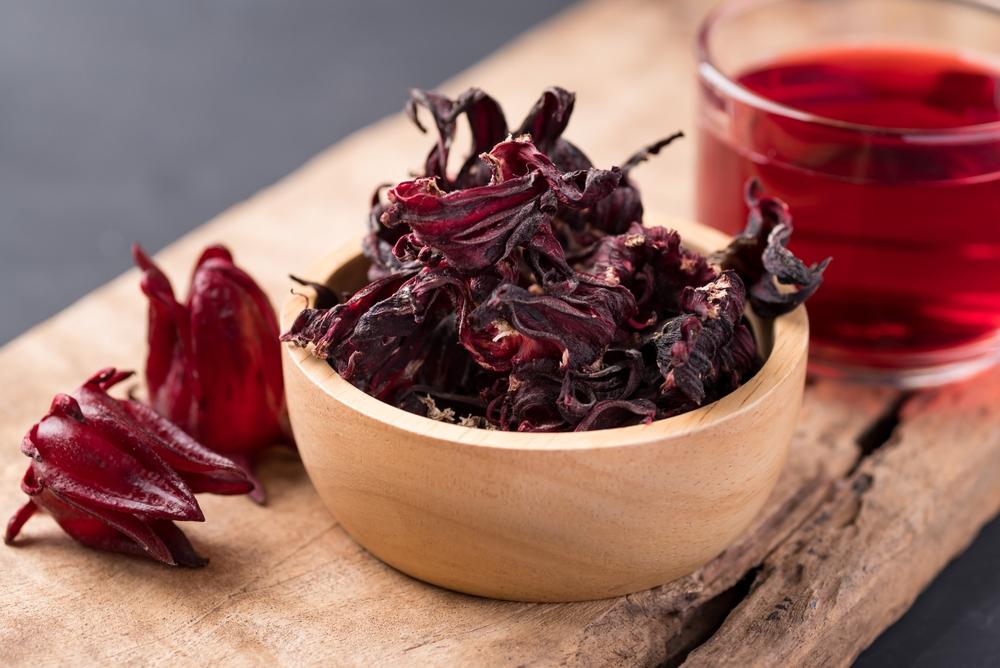
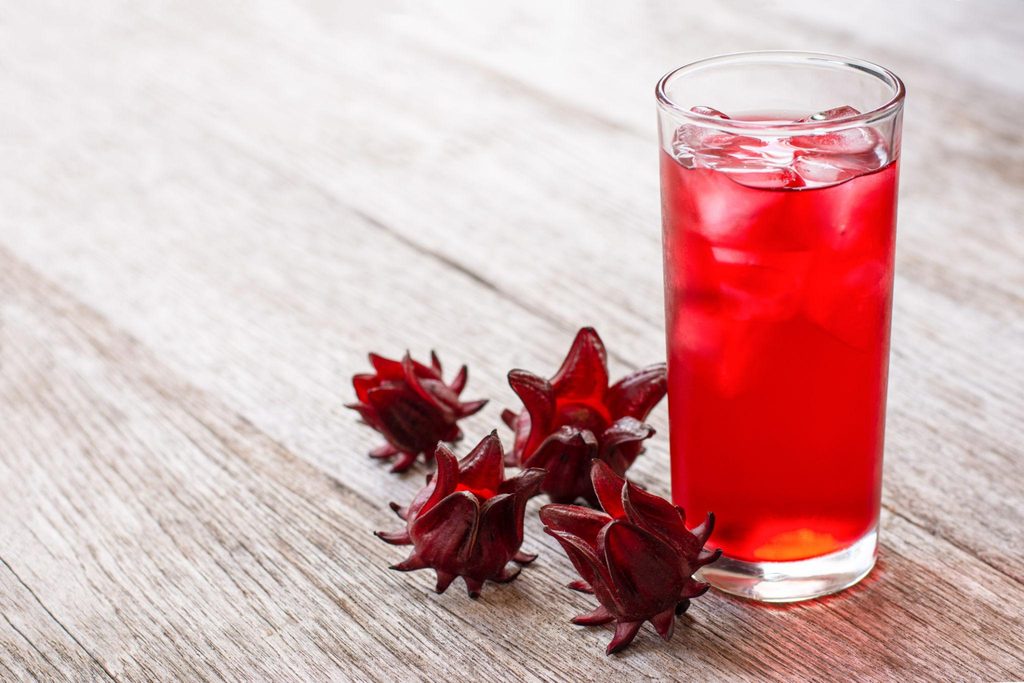
Another important species is Hibiscus sabdariffa, commonly called roselle. Its red, fleshy calyces—the parts surrounding the base of the flower—are used to prepare tart herbal drinks, jams and other food products in several countries.
The plant can be grown in gardens, pots and suitable agricultural settings. It generally prefers sunlight, warmth, well-drained soil and regular watering. Good care encourages healthy growth and flowering.
The different parts of hibiscus have different purposes:
Flowers: Worship, decoration, traditional preparations and some herbal products.
Leaves: Traditional hair-care preparations and selected herbal uses.
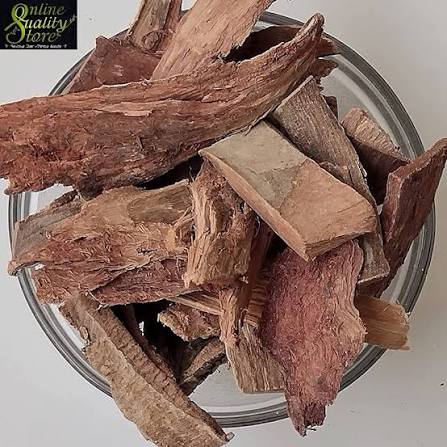
Roots: Used in some traditional medicinal practices, but they should not be consumed as home remedies without qualified guidance.
Calyces of roselle: Herbal beverages, jams, syrups and food colouring.
Seeds of roselle: Potential sources of oil and other agricultural products.
Stems: Fibre can be obtained from certain hibiscus species, including roselle.
Not every product can be made from every gudhal variety. Correct identification of the plant is essential.
- Religious Importance of Gudhal in Hindu Worship
Kali Puja 2023:
eisamay
Gudhal has a special place in Hindu religious traditions, particularly its bright red variety. Red flowers are associated with devotion, energy, strength and auspiciousness in many forms of worship.
Gudhal and Goddess Kali
Red hibiscus is especially well known in the worship of Goddess Kali. Devotees offer the flower as a symbol of faith, courage and surrender to the Divine Mother.
Gudhal and Lord Ganesha
In some regional traditions, gudhal is also offered to Lord Ganesha. The flowers used may vary according to local customs and family traditions.
Gudhal and Lord Shiva
Devotees in some traditions offer red hibiscus to Lord Shiva as well. However, flowers and offerings vary by region, temple practice and the form of worship being followed.
How is gudhal used in puja?
Choose fresh, clean flowers.
Wash your hands before beginning worship.
Offer the flowers according to the deity’s tradition and your family’s customs.
Chant your usual prayer or mantra with devotion.
Avoid using flowers that have been sprayed with unsuitable pesticides or other chemicals.
For many devotees, the value of a flower lies not only in its beauty but also in the sincerity with which it is offered.
- Medicinal Benefits of Gudhal: What Does Science Say?
Hibiscus has been used in traditional medicine for generations. Modern research has also examined its plant compounds, including anthocyanins, flavonoids and other antioxidants.
However, traditional use and scientifically proven treatment are not the same thing. Research findings are promising for some preparations, but more studies are needed to establish the best doses and long-term safety
health.businessweekly.com
Blood pressure and heart health
Studies of Hibiscus sabdariffa tea and extracts suggest that they may help lower blood pressure in some people. Research has also investigated possible effects on cholesterol and blood sugar. These effects are not guaranteed, and hibiscus should not replace prescribed medicines.
Antioxidant properties
The red colour of roselle calyces comes partly from anthocyanins, a group of plant pigments with antioxidant activity. Antioxidants are studied for their role in protecting cells from oxidative damage.
Eating a varied diet containing fruits, vegetables and other plant foods is still important; a single flower or herbal drink cannot provide every nutrient the body needs.
Digestion and hydration
A mild, unsweetened hibiscus drink can contribute to daily fluid intake. Some traditional preparations are used to support digestion, but evidence that hibiscus reliably treats digestive diseases is limited.
Skin and hair care
Gudhal flowers and leaves are used in homemade hair masks, oils and beauty preparations. They are popular because they contain plant compounds and can be incorporated into cosmetic products.
Nevertheless, claims that gudhal cures hair loss, reverses grey hair or permanently removes skin problems are not firmly established by clinical evidence.
Diabetes and cholesterol
Some clinical studies have investigated roselle preparations for blood sugar and cholesterol management. Results vary, and hibiscus is not a substitute for diabetes treatment or a medically recommended diet
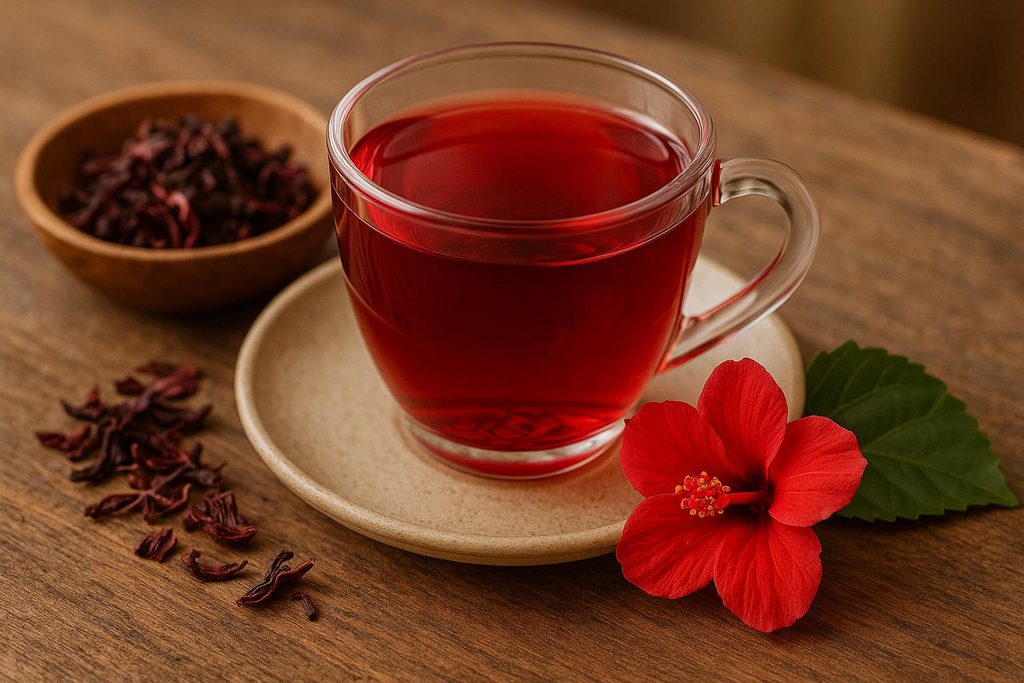
- How to Make Hibiscus Tea at Home
Tea Collection: Hibiscus (Roselle) — The Drink Journal
Ingredients
Food-grade dried roselle calyces or a suitable edible hibiscus tea product
One cup of hot water
A small amount of honey or lemon, if desired
Optional mint leaves
Method
Put the dried roselle calyces in a cup or teapot.
Pour hot water over them.
Leave for approximately 5–10 minutes, adjusting the strength to taste.
Strain the drink.
Serve warm or cool it for an iced herbal beverage.
Important: Use an identified, food-grade variety. Do not assume that every flower from an ornamental gudhal plant is suitable for consumption. Avoid flowers treated with pesticides or garden chemicals.
People taking blood-pressure or blood-sugar medicines should consult a healthcare professional before using hibiscus regularly as a medicinal drink. Evidence on drug interactions and long-term safety is still developing.
ScienceDirect
+1
- What Other Food and Drink Products Can Be Made From Gudhal?
Fresh Roselle flower (Jamaica sorrel, Rozelle or hibiscus sabdariffa) juice herbal tea
Naturellement Hibiscus Syrup from Auroville | Shop Famous Power Syrup
– Aura Experience Store
The edible roselle variety offers more food-processing opportunities than the common ornamental red gudhal.
Product
How it is used
Herbal tea
Dried calyces are steeped in hot water.
Cold drinks
Roselle extract is mixed with water and sometimes lemon.
Syrup and squash
A concentrated preparation is used to flavour drinks.
Jam and jelly
The tart calyces are cooked with sugar and other ingredients.
Chutney and sauces
Suitable roselle preparations add a tangy flavour.
Candied products
Processed calyces can be preserved with sugar.
Food colouring
Extracts provide natural red or purple pigments in suitable applications.
Blended herbal tea
Roselle is combined with ingredients such as ginger, mint or other food-grade herbs.
Commercial products need appropriate food-safety controls, hygiene, packaging and shelf-life testing. Natural colour does not automatically mean that a product is safe for every person or suitable for every food application.
The common ornamental gudhal is also used in some traditional food preparations, but commercial food businesses generally need to select and verify the correct edible species and plant part.
- Which Parts of the Gudhal Plant Are Used?
Vibrant Red Hibiscus Flower in Full Bloom
Petals and flowers: Used in worship, decoration and some traditional cosmetic or food preparations.
Leaves: Used in traditional hair-care preparations and selected botanical products.
Calyces: The fleshy red parts of roselle are important for tea, beverages, jams and extracts.
Seeds: Roselle seeds may be processed for oil and other uses, depending on the variety and local industry.
Stems and bark: Certain species provide plant fibre for textiles, cordage and other materials.
Roots: Have a history of traditional use, but medicinal preparations should not be taken without professional advice.
A commercial grower should decide which plant part will be sold before selecting a variety. A farmer growing ornamental flowers for temples has a different business model from a farmer supplying dried roselle to herbal-tea manufacturers.
- Gudhal in Ayurveda and Traditional Medicine
In Indian traditional practices, gudhal is used in various hair-care, skin-care and herbal preparations. Its use varies by region, species and the preparation method.
For example, some people prepare hair oil by infusing gudhal flowers or leaves in a suitable carrier oil. Others mix the plant material into a hair mask. Commercial cosmetic manufacturers may use properly processed hibiscus extracts in shampoos, conditioners, soaps and skin-care products.
These uses should be distinguished from claims that gudhal can cure a disease.
It should not replace treatment for heart disease, diabetes or high blood pressure.
Homemade plant preparations can cause irritation or allergic reactions in some people.
Pregnant or breastfeeding people and those taking regular medicines should seek professional advice before using concentrated herbal extracts.
Do not consume roots, leaves or flowers simply because they are described as medicinal.
Research on Hibiscus sabdariffa has shown potential benefits, but scientists have also identified gaps in evidence about long-term use, dosage and interactions with medicines.
- Gudhal Farming in India: How Much Land Is Used?
इस फसल की खेती कर लाखों कमा रहा बुंदेलखंड का ये किसान, तन्ने से लेकर पत्ती तक की होती है बिक्री – uttar pradesh bundelkhand kisan farming Roselle earning lakhs kehti kisani news lbsa – AajTak
However, there is an important limitation in the available agricultural data.
India publishes national statistics for floriculture, but these figures cover many different flowers and plants. They do not tell us exactly how many hectares are used exclusively for gudhal or roselle.
According to the Agricultural and Processed Food Products Export Development Authority (APEDA), India’s overall floriculture sector recorded the following figures for 2024–25.
India’s floriculture sector · 2024–25
397.89k ha
Reported cultivation area
4.27m tonnes
Total flower production, approximately
3.23m tonnes
Loose flowers
1.04m tonnes
Cut flowers
Source: APEDA’s floriculture statistics. These figures cover the wider flower industry, not gudhal alone.
Which Indian states are important for floriculture?
APEDA identifies Andhra Pradesh, Tamil Nadu, Madhya Pradesh, Karnataka, West Bengal and several other states as major floriculture centres. The suitable location for gudhal farming depends on the variety, local climate, water availability, soil and market access.
What percentage of India’s flower farming is gudhal?
A reliable national percentage specifically for gudhal cultivation cannot be calculated from the cited national floriculture figures. The same limitation applies to the total production of gudhal flowers and roselle calyces.
To establish those figures accurately, agricultural surveys would need to distinguish ornamental Hibiscus rosa-sinensis from commercial Hibiscus sabdariffa and record their respective cultivated areas and yields.
It would be misleading to present a guessed percentage as an official statistic.
- Gudhal Exports: Does India Sell It to Other Countries?
Jual TEH BUNGA ROSELLA MERAH KERING SOLUSI DIET ALAMI | Shopee Indonesia
shopee.co
Yes, hibiscus-related products have international markets. Depending on the species and product, these can include dried flowers or calyces, herbal-tea ingredients, extracts, cosmetic ingredients and planting material.
India also exports flowers and other floriculture products. APEDA reported total floriculture exports of approximately US$92.55 million for the 2025–26 financial year. This is the value of the broader floriculture category, not the value of gudhal exports alone.
APEDA
What affects export opportunities?
A farmer or small business interested in exporting hibiscus should consider:
Product quality: Correct species, colour, cleanliness and consistent drying.
Chemical safety: Pesticide residues and contaminants must meet the destination market’s requirements.
Packaging: Dried edible calyces need moisture-resistant packaging and suitable storage.
Testing: Food-grade products may require microbiological, chemical and quality checks.
Documentation: Exporters must comply with applicable customs, food-safety and importing-country rules.
Buyers: Herbal-tea manufacturers, food processors and cosmetic ingredient suppliers may require different grades of raw material.
The exact export value and percentage attributable to gudhal cannot be established from the overall floriculture figures alone. Product-specific customs classification and trade data would be required.
- Can Gudhal Become a Small Business?
Palm Beach Herbals Red Roselle Hibiscus Flower Tea, Tart Cranberry Aroma, 100% Pure Herbal – Walmart.com
Buy HIBISCUS Plant | Gardener
- Flower and nursery business
Sell flowering plants, rooted cuttings and potted gudhal plants to households, temples, gardeners and landscaping businesses.
Dry roselle tea in glass on wooden background (Hibiscus sabdariffa)
- Herbal-tea ingredients
Grow or source food-grade roselle, dry it hygienically and supply suitable material to tea makers and food processors.
Coconut Hibiscus Shampoo – Color: Lite Red at 418.95 INR in Kolkata, West Bengal | Maheorthe Products
- Hair-care and cosmetic products
Develop products using suitable hibiscus ingredients, with proper formulation, safety testing and compliant labelling.
Roselle Syrup – Premium Bubble Tea Ingredient Solutions
- Processed food products
Explore jams, syrups and beverages using edible roselle. Food manufacturing requires suitable equipment, hygiene and regulatory compliance.
Before investing, a farmer should check local demand, seasonal prices, labour costs, processing expenses and potential buyers. A small trial plot is generally more sensible than planting a large area without a confirmed market.
- How Can People Use Gudhal in Everyday Life?
Gudhal can be part of everyday life in several ways, provided the intended use is appropriate.
For worship: Offer fresh flowers according to religious tradition.
For gardening: Grow ornamental varieties in pots or in the ground.
For hair care: Use a suitable, clean preparation and stop if irritation occurs.
For beverages: Choose a verified edible variety or a food-grade commercial product.
For business: Explore nursery plants, dried roselle, herbal-tea ingredients or cosmetics according to market demand.
There is no need to consume gudhal every day to benefit from its cultural or ornamental value. Daily use as a drink or supplement is a separate health decision and should take account of medicines, individual health and product quality.
Conclusion: A Flower With Religious, Agricultural and Commercial Value
Gudhal is a good example of how one plant can connect religious traditions, home gardening, natural beauty products, herbal beverages and agriculture. Its bright flowers bring beauty to gardens and temples, while selected hibiscus varieties offer opportunities for food processing and commercial cultivation.
At the same time, accurate information matters. The common ornamental gudhal and edible roselle are not interchangeable in every use. Traditional remedies should not be treated as proven cures, and national floriculture statistics should not be mistaken for gudhal-specific farming or export figures.
With correct plant identification, responsible cultivation, safe processing and a clear understanding of the market, gudhal can be valued both as a flower of devotion and as a useful botanical resource.
References for further reading
Agricultural and Processed Food Products Export Development Authority (APEDA) —
India’s floriculture industry and exports
.
National Center for Complementary and Integrative Health —
Research on herbs and blood pressure
.
Peer-reviewed review of hibiscus clinical trials —
Physiological Effects and Human Health Benefits of Hibiscus sabdariffa
.