Bhringraj Plant: Uses
Bhringraj Plant: Uses, M
Bhringraj Plant: Uses, Medicinal Benefits, Leaves, Flowers, Products and Cultivation
1. What Is the Bhringraj Plant?
Bhringraj is a small medicinal herb widely known in traditional Indian medicine and Ayurveda. Its botanical name is Eclipta prostrata, while Eclipta alba is another name commonly found in older books and herbal product descriptions. It belongs to the sunflower family, Asteraceae
.One important point: “Bharjraj” may be a local or misspelled plant name. You may mean Bhringraj (Eclipta prostrata, also known as Eclipta alba), a herb commonly used in traditional Indian hair-care preparations. I’ll explain Bhringraj below; if you mean a different plant, a photo or the Hindi name written on its packet would help confirm it.
Bhringraj is especially famous for its traditional use in hair-care products. Its leaves and other above-ground parts are also used in traditional herbal preparations associated with skin, digestion and liver health. However, traditional use does not automatically mean that a plant has been proven to treat a disease in humans. Scientific review of Bhringraj
2. What Does Bhringraj Look Like?
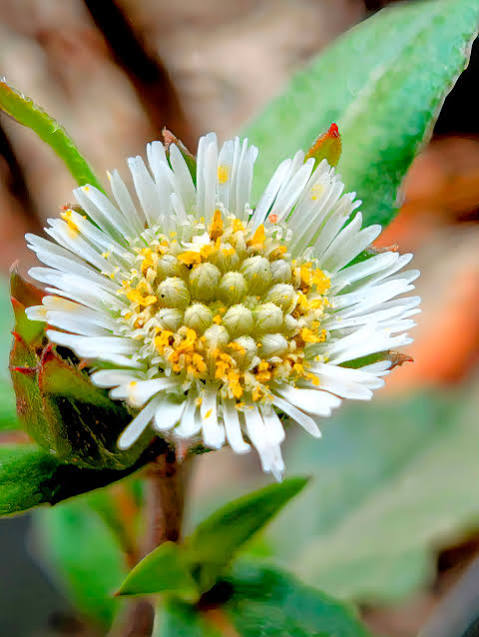
Bhringraj is not a large tree. It is a small, branching herb that often grows close to the ground. Its stems may spread along the soil, and some branches can grow upward.
The plant has the following identifying features:
- Plant: A small, green, branching herb.
- Height: Often around 20–50 cm, although size varies with growing conditions.
- Leaves: Green, narrow or oval-lance-shaped leaves that grow in opposite pairs along the stem.
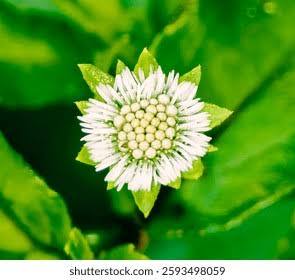
- Flowers: Small, round flower heads, usually white and similar in appearance to tiny daisies.
- Fruit and seeds: Small, dry fruits containing seeds.
- Roots: A relatively small root system compared with that of a tree.
The plant is sometimes called false daisy in English. Its small white flowers and opposite leaves can help identify it, but a photograph alone may not always be enough to distinguish it from similar herbs.
3. Where Is Bhringraj Found in India?
Bhringraj grows naturally in many warm regions of India and other tropical and subtropical parts of the world.
It is commonly found in places such as:
- Moist fields and the edges of agricultural land.
- Paddy fields and other cultivated areas.
- Riverbanks, ponds and damp ground.
- Roadside ditches and places where water collects.
- Gardens and uncultivated plots with sufficient moisture.
It can grow in many parts of India when the temperature, soil and moisture conditions are suitable. It is not restricted to one state or one particular climate. Indian flora description
4. What Are Its Leaves, Flowers, Stems and Roots Used For?
Leaves
The leaves are among the commonly used parts of Bhringraj. In traditional preparations, they may be crushed to obtain juice or processed into a paste, powder or herbal extract.
The leaves are especially associated with traditional hair and scalp care. Some preparations also use them in traditional remedies for skin complaints and digestive problems.
Flowers
The flowers are small and white. They are part of the plant’s identifying features and may be included when the whole above-ground herb is harvested for herbal processing.
The flowers are not as well known commercially as the leaves and whole herb, and they should not be assumed to be a separate proven medicine for a specific disease.
Stems
The green stems and other above-ground parts may be used along with the leaves when preparing dried herbs, powders and extracts.
Roots
The roots are part of the plant, but Bhringraj is more commonly recognised in many herbal preparations through its leaves and aerial parts. The exact plant part used depends on the formulation and its manufacturing instructions.
5. What Diseases Is Bhringraj Traditionally Used For?
Bhringraj has a long history of use in traditional herbal medicine. Researchers have investigated its chemical constituents and possible biological effects, but many findings come from laboratory or animal studies rather than well-designed human clinical trials. Research review
A. Hair fall and scalp care
This is the best-known commercial use of Bhringraj.
Traditional hair oils containing Bhringraj are used to massage the scalp and condition the hair. The plant has also been investigated for possible effects on hair growth in experimental studies.
However, there is not enough strong human evidence to say that Bhringraj oil reliably stops hair loss, reverses baldness or prevents grey hair. Hair loss can have causes such as nutritional deficiencies, thyroid problems, hereditary factors and scalp conditions, so persistent hair loss deserves medical assessment.
B. Liver health
Bhringraj has traditionally been used in preparations associated with liver health. Laboratory and animal research has investigated possible liver-protective effects of certain extracts.
This does not establish that Bhringraj cures jaundice, hepatitis, fatty liver disease or liver damage in people. These conditions require appropriate diagnosis and medical care.
C. Skin problems
Traditional uses include applications for certain skin complaints, itching and minor wounds. Some laboratory research has examined antimicrobial and anti-inflammatory properties.
These findings do not mean that homemade plant juice is a proven treatment for eczema, serious infections, burns or open wounds. Applying unclean plant material to damaged skin may introduce contamination or cause irritation.
D. Digestive problems
Some traditional systems use Bhringraj for digestive complaints. Nevertheless, reliable human evidence for treating diarrhoea, dysentery or other gastrointestinal diseases remains insufficient.
Severe diarrhoea, blood in the stool, dehydration or persistent abdominal pain needs medical attention rather than self-treatment with herbs.
E. Inflammation and other research areas
Researchers have studied Bhringraj extracts for antioxidant, anti-inflammatory, antimicrobial and other biological activities. These are areas of scientific investigation, not proof that the plant can treat every disease associated with those processes.
Important: Bhringraj should not replace prescribed medicines for liver disease, diabetes, infections or other serious conditions.
6. Which Medicines and Products Are Made from Bhringraj?
Bhringraj is used in traditional herbal preparations and personal-care products. The following are common product categories; availability and ingredients vary by manufacturer.
| Product | How Bhringraj is used |
|---|---|
| Bhringraj hair oil | A herbal ingredient processed with a suitable oil base for scalp and hair care |
| Herbal hair serum | May contain Bhringraj extract alongside other cosmetic ingredients |
| Hair masks and pastes | Powder or extract may be blended with other ingredients |
| Herbal shampoo | Extract may be included as a cosmetic ingredient |
| Bhringraj powder | Dried plant material ground for use in traditional formulations |
| Herbal extracts | Concentrated extracts used by herbal-product manufacturers |
| Traditional Ayurvedic formulations | Bhringraj may be combined with other herbs according to a specific formulation |
Traditional formulation examples
Bhringraj oil: Used externally for scalp massage and hair care.
Bhringraj powder or juice: Used in some traditional practices, depending on the preparation and practitioner’s advice.
Multi-herb Ayurvedic products: Bhringraj may be combined with other medicinal plants. The full ingredient list matters because a product containing Bhringraj is not necessarily made from Bhringraj alone.
Do not assume that every hair oil or shampoo advertised as herbal contains Bhringraj. Check the label for its botanical name, ingredients, manufacturer and intended use.
7. What Natural Compounds Does Bhringraj Contain?
Research has identified several groups of chemical compounds in Bhringraj, including:
- Coumestans, including wedelolactone-related compounds.
- Flavonoids.
- Triterpenes and related compounds.
- Phenolic compounds.
- Other plant chemicals that may vary according to the plant material and extraction method.
Scientists investigate these compounds to understand their possible biological effects. Finding a compound with activity in a laboratory does not, by itself, prove that eating the plant or applying a product will produce the same result in a person.
8. How Is Bhringraj Cultivated?
Bhringraj can be grown on a small scale in a home garden or as a medicinal herb crop.
Step 1: Select suitable soil
Choose soil that holds some moisture but still allows excess water to drain. Very dry soil may slow growth, while prolonged waterlogging can damage plants.
Step 2: Obtain correctly identified seeds
Use seeds from a reliable nursery or medicinal-plant supplier. Correct identification is important because similar-looking plants may be sold or collected under different local names.
Step 3: Sow the seeds
Sow the seeds shallowly in prepared soil and keep the soil evenly moist. Avoid burying very small seeds too deeply.
Step 4: Provide sunlight
Bhringraj generally grows well in warm conditions with sunlight. In very hot weather, adequate soil moisture helps maintain healthy growth.
Step 5: Water regularly
Keep the soil moist during germination and early growth. The watering schedule should be adjusted for rainfall, temperature and soil type.
Step 6: Manage weeds and pests
Remove competing weeds, inspect the plants regularly and avoid unnecessary pesticide use, particularly if the crop will be sold for herbal processing.
Step 7: Harvest carefully
The leaves and above-ground parts can be harvested when the plants are sufficiently established. For commercial use, harvesting, drying and storage should follow the buyer’s quality requirements.
Step 8: Dry and store correctly
Herbal material should be dried in clean conditions, protected from dust, pests and excessive heat. Poor drying and storage can lead to mould or contamination.
9. Can Bhringraj Become a Farming or Small-Business Opportunity?
Bhringraj may offer opportunities for farmers, nurseries, herbal raw-material suppliers and small manufacturers. Its best-known market is in herbal hair-care products.
Potential business activities include:
- Growing and selling fresh Bhringraj plants.
- Supplying clean, dried leaves or whole-herb material.
- Producing properly processed herbal powder.
- Supplying raw material to licensed herbal manufacturers.
- Developing hair oils or other cosmetic products through a compliant manufacturing process.
Before investing, check demand from local Ayurvedic manufacturers, nurseries and herbal-product buyers. Ask about required moisture levels, plant-part specifications, pesticide residues, microbial contamination, packaging and minimum purchase quantities.
Profit is not guaranteed. It depends on yield, labour, drying costs, quality testing, transport, buyer demand and the price offered for the finished material. Growing the crop does not automatically mean a manufacturer will buy it.
10. Is Bhringraj Safe to Use?
Natural does not always mean harmless. Safety depends on the plant’s identity, the preparation, the dose and the person using it.
- For external products, follow the label and stop using the product if irritation or an allergic reaction develops.
- Do not consume concentrated extracts or homemade preparations without qualified advice.
- If you are pregnant, breastfeeding, taking medicines or living with a chronic illness, consult a qualified healthcare professional before taking Bhringraj internally.
- Never use it as a substitute for medical treatment for jaundice, hepatitis, serious skin infections or persistent hair loss.
- Use clean, correctly identified plant material from a reliable source.
Conclusion
Bhringraj is a small herb with narrow green leaves and tiny white flowers. It grows in moist places across many parts of India and is particularly well known in traditional hair-care preparations. It is also used in traditional herbal practices relating to skin, digestion and liver health, and researchers continue to investigate its chemical compounds and potential effects.
Its most recognisable commercial products are herbal hair oils, powders, extracts and multi-herb preparations. For farmers and small businesses, the plant may be worth exploring, but correct identification, clean processing, quality control and reliable buyers are essential. Its traditional reputation should not be confused with proof that it cures a particular disease.
References
- Botanical description from Indian Flora
- Scientific review: traditional uses, chemical constituents and biological activities
- PubMed review of Bhringraj research
If you meant a plant other than Bhringraj, send me a photo or write its name as it appears locally, and I can identify the correct plant before describing its medicinal uses.