Discover how aligning your gardening practices with the moon’s phases can nurture your mental well-being, deepen your connection with nature, and boost your mindfulness.

Moon gardening” offers two primary pathways for mindfulness: a practical approach of aligning gardening tasks with lunar cycles to foster routine and a connection with nature, and a meditative approach of creating a tranquil garden space to practice moonlit mindfulness, or “moon bathing”.
Practical Mindfulness through Lunar Gardening
Gardening by the moon phases (waxing and waning) is an ancient practice that encourages the gardener to slow down, observe nature’s rhythms, and be present with the task at hand.
- Mindful Routine: Following a lunar calendar imposes a rhythm and structure to gardening activities (planting, weeding, harvesting), which can lead to a more consistent gardening practice and a sense of purpose and accomplishment. This routine in itself serves as a form of mindfulness.
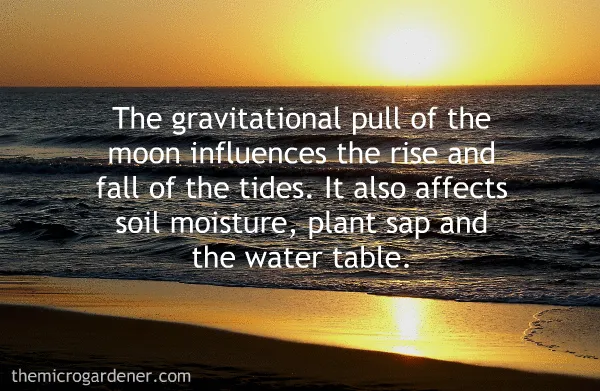
- Connection to Natural Cycles: By working with the moon’s gravitational effect on water and sap flow in plants, gardeners develop a heightened awareness of their environment and a deeper connection to the cosmos and the earth’s natural rhythms.
- Enhanced Focus and Patience: The deliberate act of timing tasks based on the moon requires focus and patience, shifting the mind away from daily stressors and into a restorative state.
Meditative Mindfulness (Moon Bathing)
“Moon bathing” or moon gazing involves spending time in a tranquil garden setting under the moonlight to connect with its calming energy.
- Stress Reduction and Relaxation: Basking in the soft, natural light of the moon helps activate the parasympathetic nervous system, lowering cortisol (stress hormone) levels and promoting a sense of calm and peace.
- Emotional Balance and Release: The moon is often associated with emotions and the subconscious mind. Meditating or journaling under its glow provides a powerful opportunity to acknowledge and release emotional baggage, leading to clarity and inner peace.
- Enhanced Intuition and Clarity: The practice is believed to open channels for intuition and self-discovery, fostering a stronger sense of self-awareness and personal growth.
- Improved Sleep Patterns: Moon gazing before bedtime can help regulate circadian rhythms by signaling to the body that it’s time to wind down, potentially contributing to better sleep quality.
Creating a Moon Garden for Mindfulness
A “moon garden” is specifically designed to enhance these nocturnal mindfulness practices. Key elements include:
- White and Silver Plants: Flowers in pale colors (white, cream, pale pink) and silver foliage plants (e.g., lamb’s ear, artemisia) reflect moonlight, making the garden glow at night.
- Fragrant Blooms: Night-blooming plants like jasmine and evening primrose release captivating aromas, stimulating the senses and enhancing the relaxing atmosphere.
- Secluded Space: Creating a private area with comfortable seating and soft lighting (like solar path lights) provides a safe haven for contemplation and meditation.
- Water Features: The gentle sound of a fountain or the reflective surface of a still pond adds a soothing auditory and visual element to the tranquil environment.
By incorporating moon gardening practices into your routine, you can cultivate not just a beautiful garden, but also a dedicated space and time for mental well-being and a deeper connection with the natural world.
Introduction: A New Wave of Gardening
In recent years, gardening has evolved from a simple hobby to a powerful tool for mindfulness and healing. One of the most intriguing and ancient approaches to gardening is moon gardening—a practice where the gardener synchronizes their planting activities with the phases of the moon. But what is moon gardening, and how does it tie into mindfulness? This unique practice involves using the lunar cycles to enhance plant growth, improve well-being, and create a deeper connection with nature. It not only helps plants flourish but also nurtures the mind, body, and spirit.
In this article, we will explore the benefits of moon gardening for mindfulness, the science behind it, and how you can start cultivating your own peaceful, lunar-inspired garden.
The Science Behind Moon Gardening
Before diving into how moon gardening benefits mindfulness, let’s first look at the science behind this ancient practice. The moon has long been associated with the rhythms of nature, and its gravitational pull affects more than just the tides—it also influences soil moisture, plant growth, and human behavior. This belief is not just folklore; studies have suggested that the lunar cycle has an impact on biological processes, including seed germination and plant development.
Before diving into how moon gardening benefits mindfulness, let’s first look at the science behind this ancient practice. The moon has long been associated with the rhythms of nature, and its gravitational pull affects more than just the tides—it also influences soil moisture, plant growth, and human behavior. This belief is not just folklore; studies have suggested that the lunar cycle has an impact on biological processes, including seed germination and plant development.
In moon gardening, each phase of the moon is believed to correspond with different gardening tasks. The New Moon, for example, is thought to be the time to plant seeds, as the energy is focused on new beginnings. The Full Moon, with its heightened gravitational pull, is ideal for harvesting and planting root crops. By aligning gardening activities with the moon, practitioners believe they can maximize plant health and growth.
Mindfulness and the Moon’s Connection
Mindfulness is about being present in the moment, fully engaged with what is happening around you, without distraction or judgment. It’s a practice that has gained widespread popularity for its ability to reduce stress and improve mental well-being. Moon gardening offers a perfect opportunity to combine mindfulness with nature, creating a space where you can focus on the here and now, in harmony with the lunar cycle.
Gardening, in itself, has been shown to promote mindfulness. The tactile nature of handling soil, planting seeds, and tending to plants can encourage relaxation, helping you forget your worries and focus on the present. When combined with the rhythm of themoon, gardening becomes a meditative experience that helps ground you, offering a deeper sense of peace.
The Phases of the Moon and Their Benefits for Gardening
The moon’s cycle spans approximately 29.5 days, moving through distinct phases that can influence various aspects of gardening. Here’s how each phase can benefit your mindfulness practice:
New Moon: Planting Seeds and Setting Intentions
The New Moon represents new beginnings and is the perfect time for planting seeds—both literally and figuratively. During this phase, the moon is invisible, symbolizing a time of reflection, growth, and potential. It’s a great moment to set intentions for your garden and for your life. You might begin planting seeds for vegetables, flowers, or herbs, knowing that this is a time of starting fresh.
Mindfulness Tip: Take time to reflect on your intentions for the garden, focusing on the present moment as you prepare your soil and plant your seeds.
Waxing Moon: Growth and Nurturing
As the moon waxes, it grows fuller, and the energy is rising. This is a time to nurture your plants—water them, tend to them, and offer your care. The waxing moon corresponds with growth and expansion, making it an excellent time to focus on strengthening the plants you’ve already started.
Mindfulness Tip: As you water and care for your plants, practice mindfulness by being present with each action, appreciating the rhythm of life and growth.
Full Moon: Harvesting and Celebrating
The Full Moon is the culmination of the lunar cycle, bringing energy to fruition. This is a time for harvesting crops that are ready, as well as planting root vegetables that need the full energy of the moon to grow. The full moon represents abundance, completion, and celebration.
Mindfulness Tip: During this phase, take time to savor the fruits of your labor. Engage all your senses as you harvest, appreciating the beauty and abundance of nature.
Waning Moon: Rest and Reflection
After the Full Moon, the moon begins to wane, signaling a time of rest, reflection, and renewal. This phase is ideal for pruning, composting, and preparing the garden for the next cycle. It’s also a time to reflect on what has worked in the garden and what can be improved.
Mindfulness Tip: Use this time to slow down and reflect, embracing the stillness and allowing yourself to let go of any unnecessary stress or clutter in your life.
The Emotional and Mental Benefits of Moon Gardening
Moon gardening is not just about growing plants—it’s about growing your own inner peace. Aligning with the rhythms of nature can have profound effects on your emotional and mental well-being. Here are a few ways that moon gardening promotes mindfulness:
Deepens Connection with Nature
By practicing moon gardening, you’re tuning into the natural cycles of the earth, developing a stronger bond with nature. This deepens your awareness of the world around you and helps you feel more grounded and centered.
Reduces Stress and Anxiety
Gardening, in general, is known for its stress-relieving properties. But when combined with the lunar cycle, it becomes a powerful tool for relaxation. By engaging in gardening activities that are in harmony with the moon’s energy, you can lower anxiety and find calm in the process.
Promotes a Sense of Purpose
As you tend to your garden according to the lunar phases, you cultivate a sense of purpose and accomplishment. The rhythm of the moon can guide your actions, creating structure in your life and helping you stay connected to your goals.
How to Start Your Own Moon Garden
Getting started with moon gardening is simpler than you might think. Here’s a step-by-step guide to create your own lunar-inspired garden:
a) Learn About the Lunar Cycle: Familiarize yourself with the phases of the moon and how they affect plant growth.
b) Choose Your Plants: Select plants that align with the moon’s phases, like leafy vegetables for the waxing moon and root crops for the full moon.
c) Track the Phases: Use a moon calendar to keep track of the moon’s phases and plan your gardening activities accordingly.
d) Create a Mindful Gardening Space: Set up a peaceful,distraction-free garden space where you can connect with nature and focus on the present moment.
Conclusion: The Power of Moon Gardening
Moon gardening is a beautiful and profound way to bring mindfulness into your life. By aligning with the lunar cycle, you can foster a deeper connection to the earth and create a peaceful, nurturing space for your mind, body, and spirit. Whether you’re a seasoned gardener or a beginner, this practice invites you to slow down, reflect, and embrace the rhythms of nature. With each planting and harvest, you can cultivate not only your garden but also a more mindful, intentional life.
Q&A: Your Questions on Moon Gardening
Q: How does moon gardening actually improve my mindfulness?
A: Moon gardening helps improve mindfulness by encouraging you to be present in each gardening task, with the added benefit of aligning your actions with the natural rhythms of the moon. This creates a calming, focused experience that enhances awareness and reduces stress.
Q: Do I need to be an experienced gardener to practice moon gardening?
A: Not at all! Moon gardening is suitable for gardeners of all skill levels. Beginners can start small by planting a few plants and learning to track the moon phases over time.
Q: Can moon gardening really impact the growth of my plants?
A: While the scientific evidence on moon gardening is still limited, many gardeners report improved plant growth when following the lunar phases. The practice of aligning with the moon’s energy can create a more harmonious environment for both you andyour plants.
Q: What if I can’t always follow the lunar phases perfectly?
A: That’s okay! Moon gardening is meant to be a flexible, mindful practice. If you miss a phase or can’t follow it exactly, simply focus on the present moment and enjoy the process of gardening.