Pan-D (pantoprazole and domperidone) and amoxicillin are commonly used together as part of a triple therapy regimen to treat stomach and intestinal ulcers caused by the Helicobacter pylori (H. pylori) bacteria.
How They Are Used Together
The combination typically involves:
- Amoxicillin: An antibiotic that kills bacteria by preventing the formation of the bacterial cell wall.
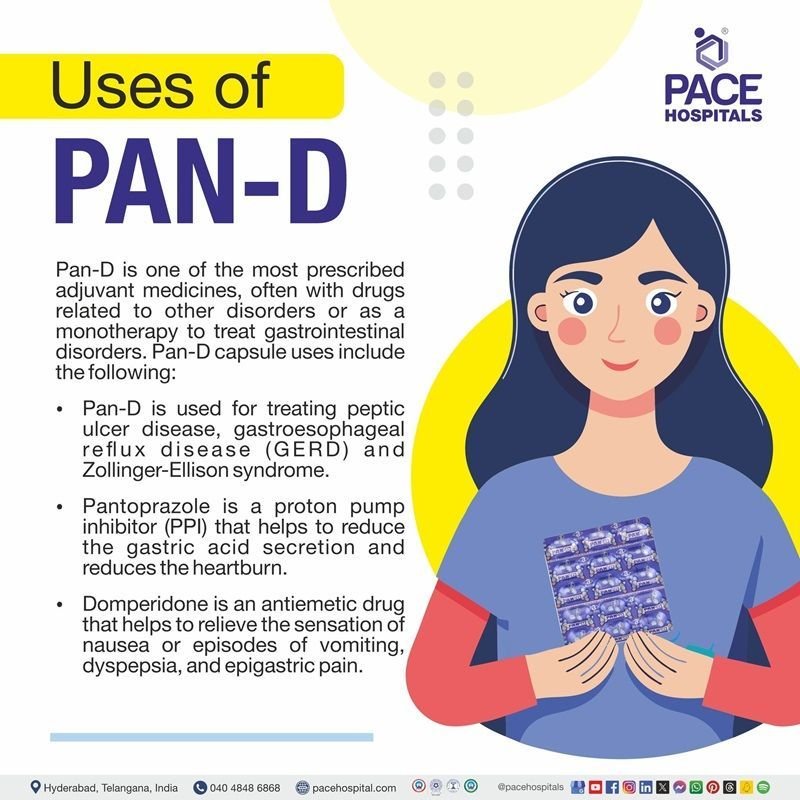
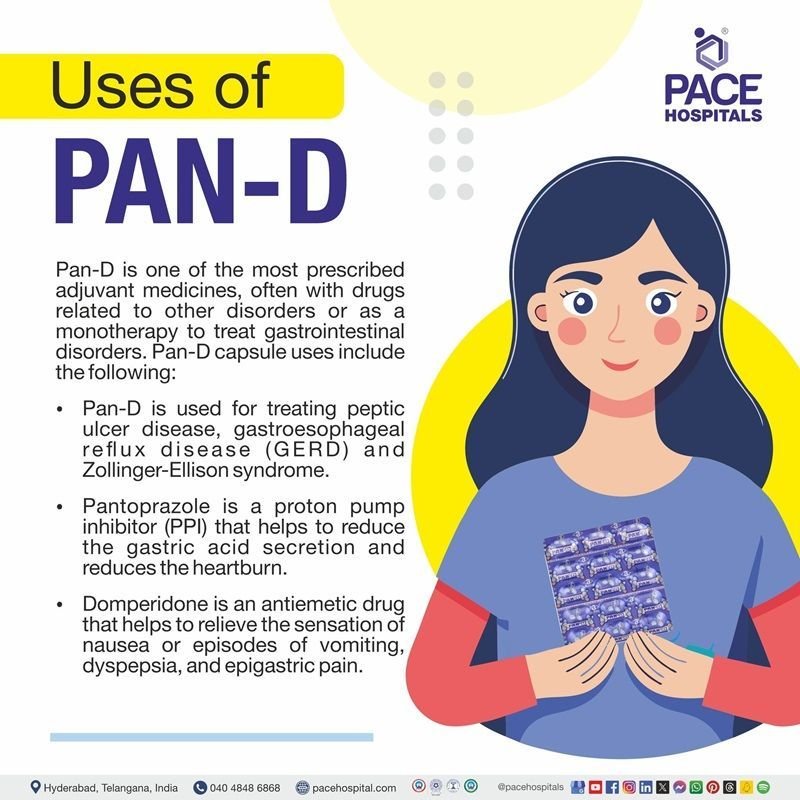
- Pan-D: This is a combination of pantoprazole (a proton pump inhibitor) and domperidone.
- Pantoprazole reduces the amount of acid in the stomach, which helps heal ulcers and makes the antibiotics more effective.
- Domperidone helps with symptoms like nausea, vomiting, and bloating associated with gastrointestinal issues and antibiotic use.
Often, a third antibiotic, clarithromycin, is also included in the triple therapy to increase the effectiveness of the bacterial eradication.
Important Considerations
- Prescription Only: This combination is a powerful treatment and should only be used as directed by a healthcare professional.
- Dosage and Duration: It is crucial to complete the full course of medicine as prescribed by your doctor, even if you start to feel better. Stopping early can lead to the infection becoming harder to treat or a relapse.
- Common Side Effects: Common side effects may include nausea, diarrhea, vomiting, stomach pain, flatulence, taste changes, and headache.
- Timing of Doses: Pan-D is typically advised to be taken before meals on an empty stomach to improve its efficacy, while antibiotics might be taken after food to prevent gastric upset. Always follow your doctor’s specific instructions for timing.
- Potential Interactions: There are no known major interactions between amoxicillin and pantoprazole, but it is important to inform your doctor about all medications and pre-existing conditions you have before starting
Pan-D and Amoxicillin

Pan-D and (paracetamol ) quality tesAmoxicillin among 48 drugs under scanner in CDSDO quality test
Introduction
Batches of 48 drugs, including paracetamol, calcium and vitamin D3 supplements, high blood pressure medications as well as anti-diabetes pills have failed the quality test of the Central Drugs Standards Control Organisation (CDSCO), the drug regulator of India. This has raised multiple concerns regarding their usage.
Pan-D and Amoxicillin
In its latest monthly drug alert report for August 2024, the central drug regulator has identified dozens of medicines under the “Not of Standard Quality (NSQ) Alert”.
These alerts are from random monthly sampling conducted at various labs by state drug officers, India Today reported.
Senior official sources told ANI, “Such list is released every month and this shows that the Drugs Controller General of India (DCGI) is constantly monitoring the quality of medicines and taking action against manufacturing companies who are selling drugs which are of NSQ (Not of Standard Quality). NSQ is mostly minor in nature which is not life-threatening.”
Product
Batches of four dozen high-selling drugs have failed to meet the quality standards of CDSCO. Among these are Paracetamol (IP 500 mg tablets), Shelcal (Vitamin C and D3 tablets), vitamin B complex and vitamin C soft gels, Pan-D (anti acid), Glimepiride (anti-diabetic drug) and Telmisartan (for high blood pressure) and several others.Metronidazole, a highly recommended drug for treating stomach infections, is among the ones that failed in quality tests. It is produced by Hindustan Antibiotic Limited.
Also on the list is Shel cal, which is distributed by Torrent Pharmaceuticals and is a popular calcium and vitamin D3 supplement. Additionally, Alkem Health Science’s antibiotics Clavam 625 and Pan D were deemed spurious by a Kolkata-based drug-testing lab.
The same lab has termed Cepodem XP 50 Dry Suspension, prescribed to children with severe bacterial infections, as substandard. Besides them, the list also includes Paracetamol tablets from Karnataka Antibiotics & Pharmaceuticals Ltd.
CDSCO has shared lists of medicines that have failed to pass the quality tests. The list includes a total of 48 drugs and only three drugs have been found as spurious.
“The actual manufacturer (as per label claim) has informed that the impugned batch of the product has not been manufactured by them and that it is a spurious drug. The product is purported to be spurious, however, the same is subject to the outcome of the investigation,” the column for the drug makers read one of the replies.
In August this year, CDSCO banned more than 156 fixed-dose drug combinations which are ‘likely to involve risk to humans’. Among these were several fever drugs and painkillers.