

To synchronize your sleep cycles and meal times, the key is to establish consistency in your daily habits, using environmental cues like light and the timing of your meals to reinforce your body’s natural circadian rhythm. The goal is to train your internal clock to expect rest and activity at the same times each day.
Sleep Synchronization Tips
- Maintain a Consistent Schedule: Go to bed and wake up at the same time every day, even on weekends. Gradual adjustments of 15-30 minutes can help ease into a new schedule.
- Maximize Morning Light Exposure: Get outside for at least 30 minutes of natural sunlight soon after waking up. This helps suppress melatonin (the sleep hormone) and signals to your brain that it is time to be awake and alert.
- Minimize Evening Light & Screen Time: In the hours before bed, dim indoor lights and avoid blue-light-emitting screens (phones, tablets, computers) as this light can disrupt melatonin production.
- Establish a Bedtime Routine: Develop a calming set of activities to do each night to signal to your body that it’s time to wind down. This could include reading, taking a warm bath, or practicing meditation.
- Optimize Your Sleep Environment: Ensure your bedroom is dark, quiet, and cool for restful sleep. Use blackout curtains, earplugs, or eye masks if necessary.
- Limit Stimulants: Avoid caffeine and nicotine, especially in the late afternoon and evening, as they can interfere with falling and staying asleep. Limit alcohol consumption as well, as it can disrupt your sleep cycle.
Meal Timing Synchronization Tips
- Eat at Consistent Times: Try to have your breakfast, lunch, and dinner at approximately the same time every day.
- Align Meals with Your Active Phase: Consume your main meals during the daytime, when your metabolism is most efficient.
- Avoid Eating Close to Bedtime: Aim to finish your last significant meal or snack at least two to three hours before going to sleep. Eating heavy or spicy meals late at night can cause discomfort and disrupt sleep.
- Focus on a Substantial Breakfast: Eating a good breakfast can help anchor your internal clock and positively influence metabolic health.
- Keep Late-Night Snacks Light: If you are hungry close to bedtime (or working a night shift), opt for light, easily digestible foods like warm soup or a small portion of whole grains and protein, rather than heavy, high-calorie, or sugary items.
- Stay Hydrated During the Day: Drink plenty of water throughout the day, but reduce liquid intake in the evening to minimize nighttime awakenings for bathroom trips.
By implementing these consistent habits, you can help align your internal clock with the external environment, leading to improved sleep quality, energy levels, and overall well-being.
Achieving harmony between sleep and meal times is crucial for optimal health and energy. This article explores effective strategies to align your daily habits with your natural circadian rhythm, ensuring improved digestion, better sleep quality, and enhanced well-being. Read on to discover actionable tips and answers to common questions about this important topic.
Why Synchronizing Sleep Cycles and Meal Times Matters
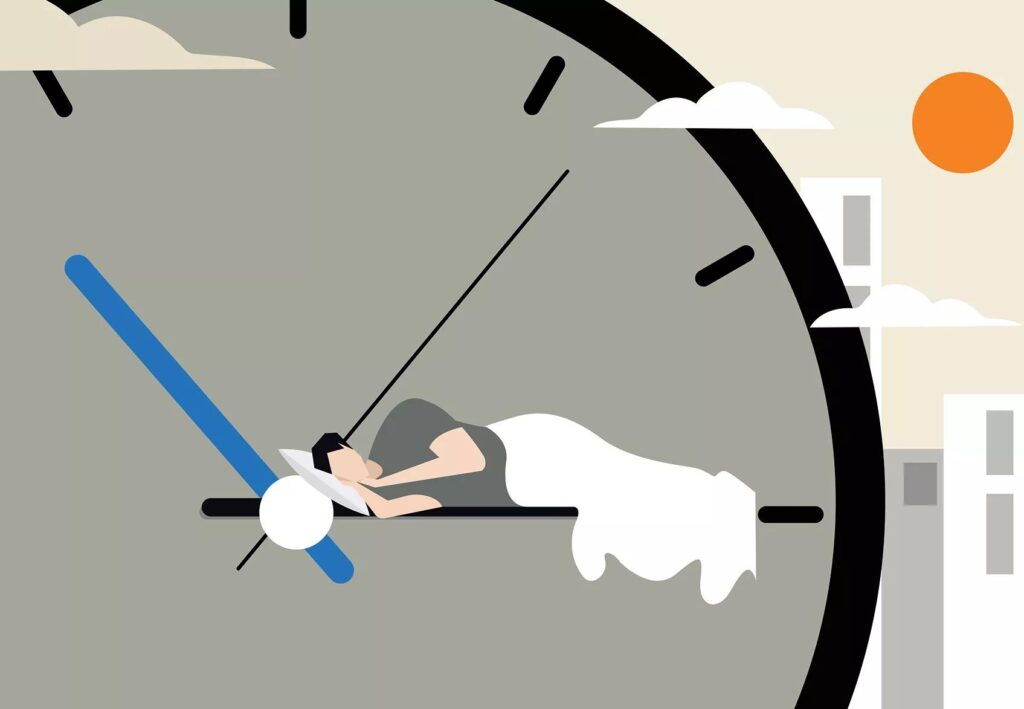
The human body operates on a circadian rhythm—a natural, 24-hour internal clock that governs our sleep-wake cycles, metabolism, and other biological processes. Misaligned sleep and eating schedules can lead to issues such as:
- Poor digestion
- Weight gain
- Reduced energy levels
- Increased stress
- Greater risk of chronic diseases
Synchronizing your sleep and meal times helps regulate these biological processes, fostering better physical and mental health.
Practical Tips to Synchronize Sleep and Meal Times
1. Understand Your Circadian Rhythm
Your body’s circadian rhythm is influenced by light, food, and other external cues. To align with it:
- Wake up and sleep at the same times every day, even on weekends.
- Expose yourself to natural light in the morning.
- Avoid blue light from screens 1-2 hours before bedtime.
- 2. Time Your Meals Strategically
- Eating at consistent times every day helps train your body’s metabolic processes. Follow these guidelines:
- Breakfast: Eat within 1-2 hours of waking up to kickstart your metabolism.
- Lunch: Schedule your largest meal around midday when your metabolism is most active.
- Dinner: Eat at least 2-3 hours before bed to allow proper digestion.
- 3. Adopt a Balanced Diet
- What you eat impacts your circadian rhythm. To optimize your diet:
- Include complex carbohydrates, lean proteins, and healthy fats.
- Avoid heavy, sugary, or greasy foods at night.
- Stay hydrated, but limit liquid intake right before bed.
- 4. Avoid Late-Night Snacking
- Eating late at night can disrupt sleep and cause weight gain. If you feel hungry before bed, opt for light snacks like:
- A small handful of nuts
- A banana
- A warm glass of milk
- 5. Exercise at the Right Times
- Physical activity is a powerful cue for your circadian rhythm. To synchronize sleep and meal times:
- Exercise in the morning or early afternoon.
- Avoid high-intensity workouts close to bedtime as they can interfere with sleep.
- 6. Use Technology Wisely
- Leverage tools to monitor your habits:
- Use sleep-tracking apps to understand your patterns.
- Set reminders for meal times.
- Reduce screen time at night to avoid circadian rhythm disruption.
- 7. Create a Nighttime Routine
- A consistent bedtime routine helps signal your body that it’s time to sleep. Include:
- Relaxation techniques like deep breathing or meditation.
- Reading or journaling.
- Lowering the temperature in your bedroom.8. Limit Stimulants and Alcohol
- Caffeine and alcohol can interfere with your sleep. To avoid disruptions:
- Stop caffeine consumption at least 6-8 hours before bed.
- Limit alcohol intake and avoid drinking close to bedtime.
- 9. Listen to Your Body
- Everyone’s circadian rhythm is slightly different. Pay attention to:
- Hunger cues: Are you eating because you’re hungry or out of habit?
- Sleep signals: Do you feel tired at the same time every night?
- 10. Seek Professional Advice
- If you’re struggling to synchronize your sleep and meal times, consult a doctor or nutritionist. They can provide personalized advice and address any underlying health concerns.
- Benefits of Synchronizing Sleep and Meal Times
- Once you align your eating and sleeping schedules, you’ll notice:
- Improved digestion and metabolism
- Increased energy levels throughout the day
- Better mood and reduced stress
- Enhanced cognitive function
- Greater overall health and reduced risk of chronic conditions
- Q1: Why is it important to avoid eating right before bed?
- Ans) Eating before bed can interfere with digestion and disrupt your sleep. It may also lead to weight gain and increased risk of acid reflux. Allowing 2-3 hours between your last meal and bedtime ensures your body has enough time to digest food properly.
- Q2: How can I stop myself from late-night snacking?
- Ans) Plan balanced meals during the day to reduce hunger at night. Stay hydrated and distract yourself with activities like reading or light stretching. Keeping unhealthy snacks out of reach can also help curb the habit.
- Q3: What should I do if my schedule doesn’t allow consistent meal or sleep times?
- Ans) Try to maintain as much consistency as possible. Prepare meals in advance, stick to a regular bedtime, and use tools like meal planning apps or alarms to create structure within your routine.
- Q4: Can intermittent fasting help synchronize my sleep cycle?
- Ans) Yes, intermittent fasting can help align your eating window with your circadian rhythm. However, consult a healthcare professional before starting any fasting regimen to ensure it suits your individual needs.
- Q5: What are some quick tips to improve both sleep and digestion?
- Ans) Maintain a consistent schedule, avoid heavy meals before bed, stay active during the day, and ensure a balanced diet with adequate fiber and hydration.
