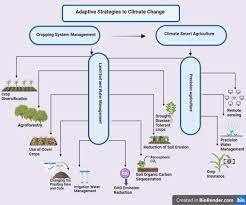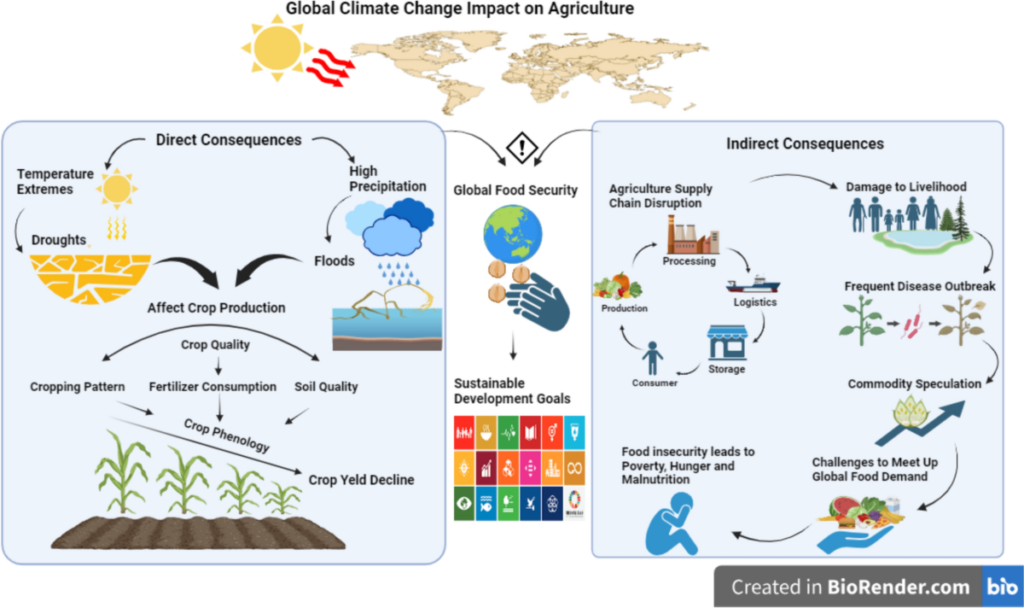
Climate-resilient crops can help ensure food security in the future by enabling agriculture to adapt to climate change.
How climate-resilient crops can help
- Gene editingScientists use gene editing to increase the hardiness of crops like wheat and corn. For example, researchers in China used CRISPR to create a wheat strain that resists powdery mildew.
- Crop varietiesNew crop varieties are being developed to be more nutritious and climate-resilient. For example, orange-fleshed sweet potatoes are drought-resistant and high in vitamin A.
- AgroforestryThis practice involves growing trees in croplands or pastures, which can help reduce emissions and protect farms from erosion.
Other strategies for climate-resilient food systems:
- Using conservation agriculture techniques
- Precision farming
- Water management strategies
- Improving livestock management
- Using alternative protein sources
- Using food processing by-products and waste
- Improving food supply chain transparency
- Promoting sustainable land use planning
Collaboration
Collaboration between governments, civil society, the private sector, and research institutions is key to developing climate-resilient food systems.
Explore how climate-resilient crops can address global food security challenges, adapt to shifting environments, and potentially transform diets worldwide by offering sustainable, nutritious, and diverse food sources for future generations.
Introduction
Climate change is a reality and understanding the linkages between climate change and agri-food production is important for developing the capacity to ensure an adequate supply of food to the growing population in the future. It is projected that the world population will exceed 9.7 billion by 2050, meaning there will be around 1.9 billion more people to feed compared to 2020 (United Nations, 2019a). However, the available agricultural land will continue to decrease, with many prime agricultural lands converted to urban areas in the continuing urbanization drive. Feeding more mouths with less land available is a daunting task. Add to this the fact that the world’s middle-class is increasing rapidly, with greater demand for meat, dairy, and foods of higher nutritional status. Unfortunately, climate change impacts, such as higher temperatures, droughts, more extreme events, sea-level rise, and elevated levels of carbon dioxide, are making the task of increased food production much more difficult by decreasing the quantity as well as the quality of our food supplies. Climate change has already affected global food production as productivity and projected yield of major staple food crops have decreased in all regions of the world (Arora, 2019; Ray et al., 2019). Adverse effects of climate change negatively impact all components of food systems, including biodiversity and ecosystem services of the agricultural production systems (Bélanger and Pilling, 2019). Extreme climate events and unexpected changing patterns of seasonal climatic conditions have more severely impacted non-irrigated traditional agriculture and home garden food production systems in rural areas, leaving people more vulnerable to food and nutrition insecurity (IPCC, 2014; Powell et al., 2015). Climate-change–driven biotic stresses (invasive weeds, pests, and diseases) also impact agri-food production.
Climet
Climate change has made a significant impact on agriculture, threatening food security and the diversity of diets across the globe. Extreme weather events, rising temperatures, droughts, and flooding have made traditional farming increasingly unreliable. As the world’s population continues to grow, the ability to grow enough nutritious food becomes even more critical.
In response to these challenges, agricultural scientists and innovators are turning to climate-resilient crops to safeguard future food systems. These crops are designed to withstand extreme weather conditions, diseases, and pests, offering a more sustainable alternative to conventional farming practices. The potential of climate-resilient crops goes beyond survival — they could reshape global diets, diversify food sources, and address nutritional gaps.
This article explores the potential impact of climate-resilient crops on global diets, from the science behind these crops to the environmental and societal changes they may usher in.
What Are Climate-Resilient Crops?
Defining Climate-Resilient Crop.
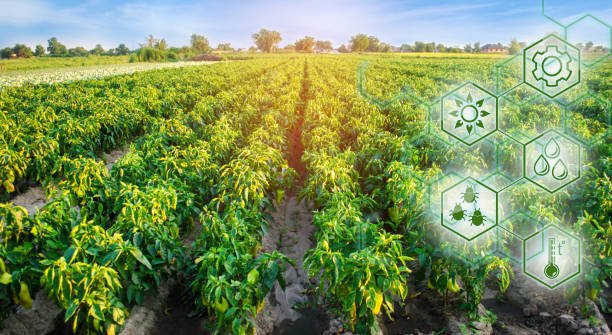
Climate-resilient crops are genetically modified or selectively bred crops designed to tolerate the effects of climate change, such as drought, heat, and flooding. These crops can also resist pests and diseases that thrive in warmer climates. The goal is to ensure that food production can continue under increasingly unpredictable environmental conditions.
The Science Behind Climate-Resilient Crops
The development of climate-resilient crops relies on a combination of traditional breeding techniques, genetic modification, and innovative agricultural practices. Scientists identify traits that allow plants to thrive under challenging conditions, such as drought resistance, heat tolerance, and increased nutrient uptake.
For example, drought-tolerant crops can maintain productivity even with less water, making them essential for regions facing water scarcity. Similarly, crops designed to withstand higher temperatures are crucial for areas experiencing heatwaves. These crops can also be tailored to specific environments, ensuring they meet local dietary needs and agricultural challenges.
Examples of Climate-Resilient Crops
- Drought-Resistant Rice: Developed to thrive in areas with limited water, this rice variety can withstand long periods of drought without significant yield loss.
- Salt-Tolerant Wheat: A variety of wheat that can grow in saline soils, making it suitable for coastal or irrigated areas where soil salinity is an issue.
- Heat-Resistant Maize: Genetically modified maize that can withstand higher temperatures, ensuring a stable corn supply in warmer climates.
- These crops are not only engineered for survival but are also designed to maintain nutritional content, providing essential vitamins, minerals, and protein, even in difficult growing conditions.
- How Climate-Resilient Crops Will Impact Global Diets
- Expanding Food Availability
- The ability to grow food in areas previously unsuitable for agriculture will dramatically increase global food production. This expansion will help meet the needs of a growing population, particularly in regions where climate change has reduced arable land. For example, drought-resistant crops can be cultivated in areas that experience irregular rainfall patterns, such as parts of Sub-Saharan Africa or South Asia.
- In addition, salt-tolerant crops could be grown in coastal areas where freshwater resources are scarce, offering a new avenue for food production. As more land becomes available for farming, countries can diversify their food sources and become more self-sufficient in meeting nutritional needs.
- Increasing Food Diversity
- Climate-resilient crops can also diversify the global food supply by enabling the cultivation of new crops in regions where they were previously unable to thrive. In the face of climate change, staple crops like wheat, rice, and maize will no longer be the only options available. Introducing more diverse crops could lead to a more varied diet, with new grains, vegetables, and fruits becoming more common in the global food market.
- For instance, climate-resilient varieties of quinoa, millet, and sorghum can be cultivated in regions where traditional cereals struggle to grow. These ancient grains, once relegated to specific regions, may become mainstream food options in the global market, offering alternative sources of protein and micronutrients.
- Addressing Nutritional Gaps
- Climate-resilient crops could be specifically bred to enhance nutritional content, helping combat malnutrition, especially in developing countries. Crops can be engineered with higher levels of essential nutrients like iron, zinc, and vitamin A, addressing deficiencies that are common in areas where food security is a major concern.
- In addition to enhancing micronutrient content, climate-resilient crops could be more efficient in converting carbon dioxide into plant biomass, leading to increased protein production. This is particularly important as the world transitions toward more plant-based diets to combat climate change. By providing nutrient-dense crops that require fewer resources to grow, climate-resilient varieties could play a significant role in improving overall nutrition.
- The Environmental Benefits of Climate-Resilient Crops
- Reducing Environmental Impact
- Traditional farming methods often result in soil depletion, water overuse, and excessive greenhouse gas emissions. By contrast, climate-resilient crops are designed to thrive with fewer resources, leading to a reduced environmental footprint. These crops typically require less water, pesticides, and fertilizers, making them more sustainable options for future food production.
- For example, drought-tolerant crops use less water, which can reduce irrigation demands and conserve precious water resources. Similarly, crops that require fewer pesticides or herbicides reduce the need for chemical applications, which can have harmful effects on both the environment and human health.
- Enhancing Soil Health
- Some climate-resilient crops, such as certain varieties of legumes, can help improve soil health by fixing nitrogen into the soil, reducing the need for synthetic fertilizers. This contributes to the sustainability of farming practices and supports long-term soil fertility, which is critical for maintaining food production in the face of climate change.
- Improving Carbon Sequestration
- Climate-resilient crops that are optimized for higher yields per acre can contribute to improved carbon sequestration. By increasing crop productivity without expanding agricultural land, these crops can reduce deforestation and preserve natural ecosystems that act as carbon sinks.
- Challenges and Controversies Surrounding Climate-Resilient Crops
- Ethical Considerations and GMOs
- One of the most significant controversies surrounding climate-resilient crops is the use of genetically modified organisms (GMOs). While genetic modification has the potential to create highly resilient and productive crops, it also raises concerns about the long-term effects on the environment and human health. Critics argue that the release of genetically modified crops could lead to unforeseen ecological consequences, such as the unintended spread of modified genes to wild plant populations.
- However, supporters of GMOs argue that they are essential to addressing global food security in the face of climate change and population growth. They contend that the rigorous testing and regulatory oversight of GMOs ensure their safety for consumption and the environment.
- Access and Equity
- While climate-resilient crops offer promising solutions, access to these crops may be limited, especially in developing countries. The high cost of developing and implementing these technologies may prevent smallholder farmers from benefiting from them.
- Ensuring equitable access to climate-resilient crops is essential to their global success, requiring support for local agricultural systems, fair trade practices, and international collaboration.
- Biodiversity Risks
- The widespread adoption of climate-resilient crops could potentially threaten biodiversity if certain varieties are over-farmed or monocultures are encouraged. It is important to strike a balance between cultivating resilient crops and maintaining a diverse range of plant species to safeguard ecosystem health.
- The Role of Policy in Climate-Resilient Crops
- Government Support for Research and Development
- For climate-resilient crops to have a meaningful impact on global diets, strong governmental support for research and development is essential. Governments play a crucial role in funding agricultural innovation, including the development of drought-resistant, salt-tolerant, and nutrient-enhanced crops. Investment in public research institutions, partnerships with universities, and collaboration with international agricultural organizations are vital to bringing these innovations to the market.
- Policymakers need to create an enabling environment for climate-resilient crops by providing incentives for research, streamlining regulatory approvals, and ensuring that new agricultural technologies are safe and accessible to farmers. Governments must also be proactive in adapting national policies to address the shifting landscape of food security, particularly in response to climate change.
- International Collaboration and Trade
- Climate-resilient crops could reshape global food systems, but international cooperation will be essential for their widespread adoption. Trade policies and international agreements must facilitate the movement of these crops across borders. Countries need to collaborate to share knowledge, resources, and technologies, ensuring that farmers everywhere can benefit from these innovations.
- For example, international trade agreements could reduce tariffs on climate-resilient crop varieties, ensuring that developing countries can access these essential technologies. Global research consortia can also help pool expertise and data, allowing for faster adoption of climate-resilient solutions. Moreover, multilateral funding for agricultural research could help ensure that developing nations aren’t left behind in the transition to climate-resilient farming practices.
- The Potential Future of Climate-Resilient Crops in Global Diets
- Feeding the World’s Growing Population
- The world’s population is expected to reach 9.7 billion by 2050, putting increased pressure on the global food supply. Climate-resilient crops will play a significant role in meeting the nutritional needs of this growing population. By expanding the regions in which food can be produced and improving the efficiency of agriculture, climate-resilient crops can help ensure that food is abundant, affordable, and accessible to all.
- The introduction of climate-resilient crops could also allow countries to diversify their agricultural products, leading to more nutritious diets. For example, crops with enhanced protein content could play a crucial role in meeting global protein.
- demands, especially in regions where animal protein sources are scarce or unsustainable.
- A New Era of Global Diets
- As climate-resilient crops become more widespread, they will likely change global dietary patterns. New foods that were once limited to specific regions could become global staples, enhancing the variety and nutritional value of diets worldwide. Foods like quinoa, sorghum, and amaranth could become as common as rice or wheat, providing much-needed variety in the global food system.
- Moreover, climate-resilient crops could help improve the sustainability of diets by reducing dependence on resource-intensive foods. For example, crops like millet and sorghum require fewer inputs like water and fertilizers compared to more traditional crops like wheat or maize, making them a more sustainable option in the long term.
- The Role of Consumer Awareness
- As consumers become more aware of climate change and its effects on food production, there is a growing interest in sustainable and resilient food options. Climate-resilient crops, with their potential to reduce environmental impact and provide more nutritious food, could be at the forefront of this shift in consumer behavior.
- Increasing consumer awareness through educational campaigns about the benefits of climate-resilient crops is essential for their widespread acceptance. If consumers understand that these crops offer solutions to global food security issues while minimizing environmental damage, they may be more willing to embrace them in their diets.
- Conclusion
- In the face of climate change, the development of climate-resilient crops is one of the most promising solutions to ensure global food security. As the world confronts the growing challenge of feeding a rapidly expanding population with shrinking resources, these crops provide a sustainable alternative to traditional agricultural methods. By introducing crops that can withstand environmental stresses such as drought, flooding, and temperature fluctuations, we can ensure that food production remains stable and that the global food system becomes more adaptable.
- Moreover, climate-resilient crops have the potential to address malnutrition and improve global diets by enhancing the nutritional value of crops. By introducing more diverse and nutrient-rich food options, these crops can provide a healthier and more sustainable source of food, particularly for regions most affected by climate change.
- However, the widespread adoption of climate-resilient crops will require coordinated efforts from governments, researchers, farmers, and consumers. Ensuring that these crops are accessible to smallholder farmers, especially in developing countries, will be critical to their success. Equally important will be addressing the ethical concerns and environmental implications of introducing genetically modified crops.
- Despite these challenges, the potential benefits of climate-resilient crops far outweigh the risks. As climate change
- continues to reshape global food systems, it is imperative that we embrace innovative solutions like climate-resilient crops to build a sustainable and secure food future for generations to come.
- Q&A
- Q: What are climate-resilient crops?
- A: Climate-resilient crops are plants that are genetically engineered or bred to thrive in challenging environmental conditions, such as drought, heat, or excessive rainfall, allowing them to maintain yield and nutritional value.
- Q: Why are climate-resilient crops important for global food security?
- A: As climate change worsens, traditional crops become more vulnerable to unpredictable weather patterns. Climate-resilient crops ensure a stable food supply by adapting to changing conditions, reducing the risk of crop failure.
- Q: How can climate-resilient crops improve nutrition?
- A: Some climate-resilient crops are bred to be more nutrient-dense, helping address deficiencies in essential vitamins and minerals, particularly in regions where traditional crops fail to meet nutritional needs.
- Q: Are genetically modified (GM) crops always part of climate-resilient crops?
- A: While many climate-resilient crops are genetically modified to enhance traits like drought tolerance or pest resistance, some are bred through traditional methods without genetic modification.
- Q: Can climate-resilient crops help reduce agricultural environmental impacts?
- A: Yes, by requiring fewer resources like water and fertilizers, climate-resilient crops reduce the environmental footprint of agriculture, supporting more sustainable farming practices that minimize ecological damage.
- Q: How can consumers contribute to the success of climate-resilient crops?
- A: By educating themselves about the benefits of climate-resilient crops and advocating for their adoption, consumers can play a role in supporting policies and practices that promote sustainable agriculture.
- Q: What challenges exist in adopting climate-resilient crops globally?
- A: Barriers include regulatory hurdles, high costs for developing countries, public opposition to genetically modified crops, and the need for appropriate infrastructure to distribute and cultivate these crops effectively.
- Q: Are there any ethical concerns associated with climate-resilient crops?
- A: Yes, some concerns involve the environmental impacts of genetically modified organisms (GMOs), the concentration of power in large biotech companies, and the potential loss of biodiversity from monocultures.
- Q: How can governments help in promoting climate-resilient crops?
- A: Governments can offer funding for research, create favorable regulatory environments, provide incentives for farmers to adopt new technologies, and collaborate with international organizations to make climate-resilient crops more accessible.
- Q: What is the future of climate-resilient crops in global diets?
- A: As climate change continues to challenge global food production, climate-resilient crops will play an increasingly important role in ensuring food security. They may become a central component of sustainable diets globally, particularly in developing regions.