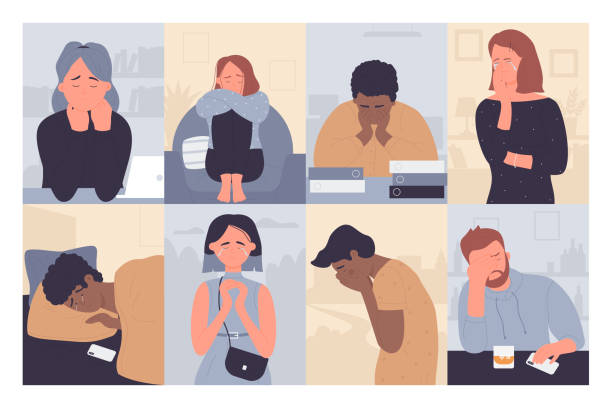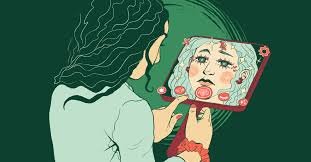
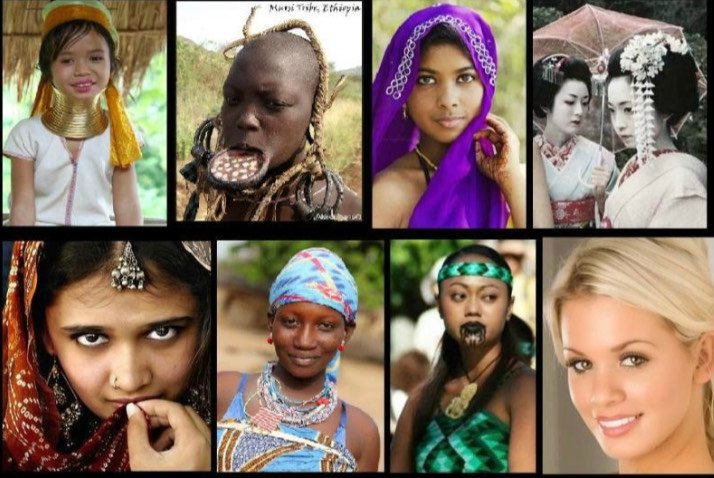
In the digital age, body image has become a powerful obsession, especially among young people. Social media platforms constantly display idealized bodies, flawless faces, and curated lifestyles. While traditional societies once valued character, health, and inner qualities, today’s youth often feel trapped between modern digital expectations and traditional beliefs. This clash is reshaping self-worth, identity, and mental health.
1. Understanding Body Image Obsession
Body image refers to how individuals perceive and feel about their physical appearance. Obsession begins when self-worth becomes dependent on looks, weight, skin tone, or body shape. Among youth, this obsession is fueled by constant comparison and validation through likes, comments, and followers.
2. Role of Social Media in Shaping Body Ideals
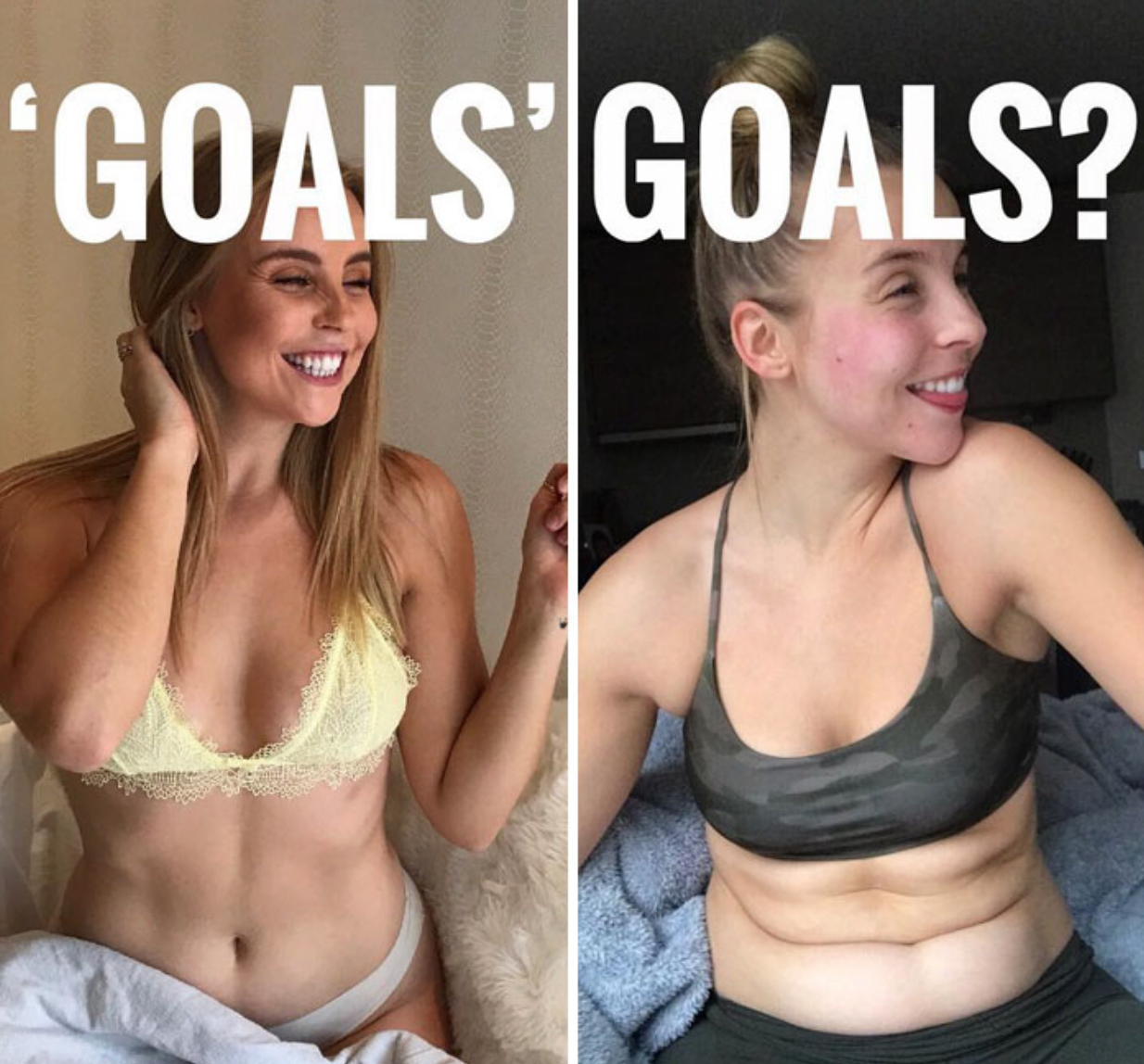
Social media platforms such as Instagram, TikTok, and Snapchat promote unrealistic beauty standards. Filters, photo editing, and selective posting create an illusion of perfection.
Key Impacts:
- Constant comparison with influencers
- Pressure to look “perfect” at all times
- Desire for instant approval through likes
- Normalization of edited and altered bodies
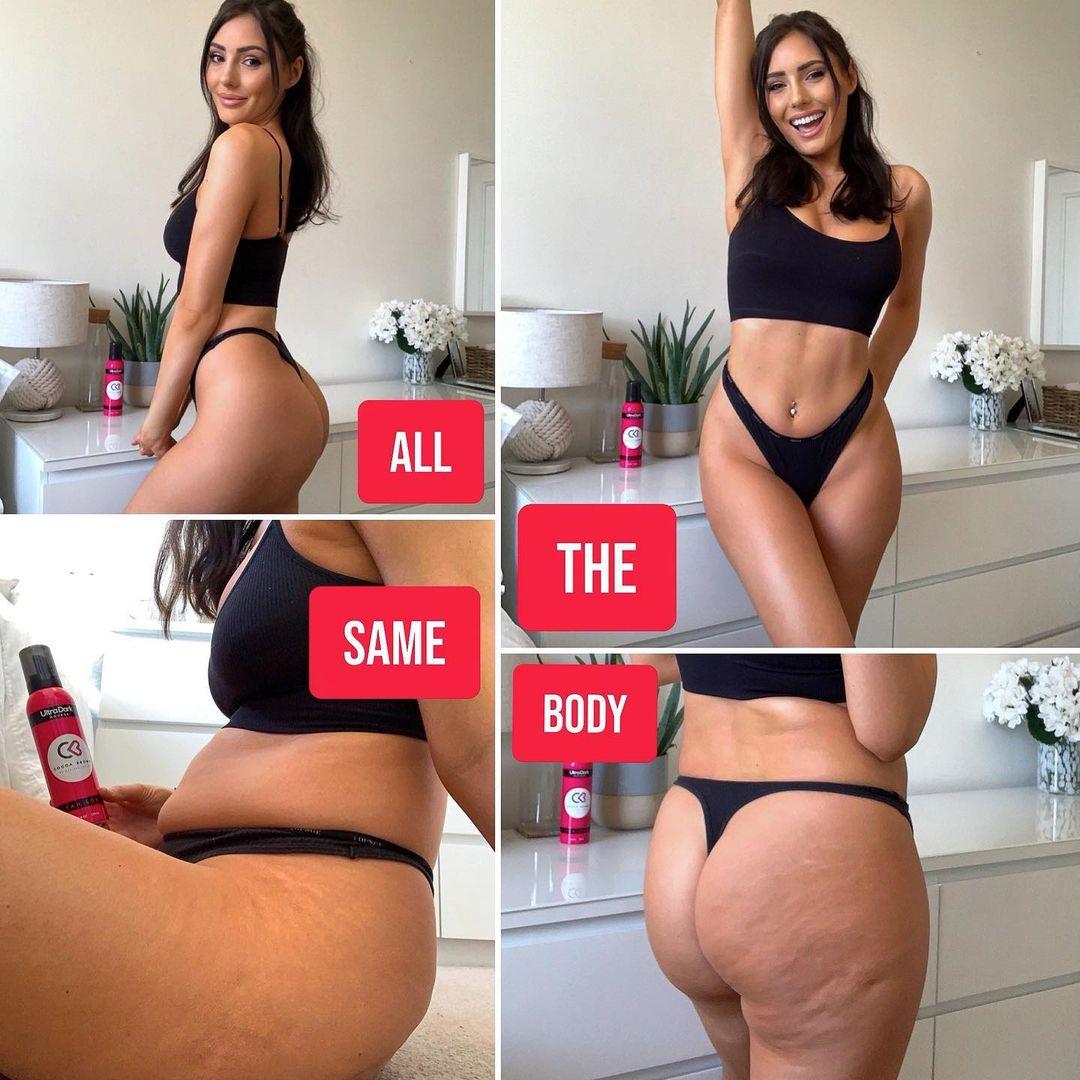
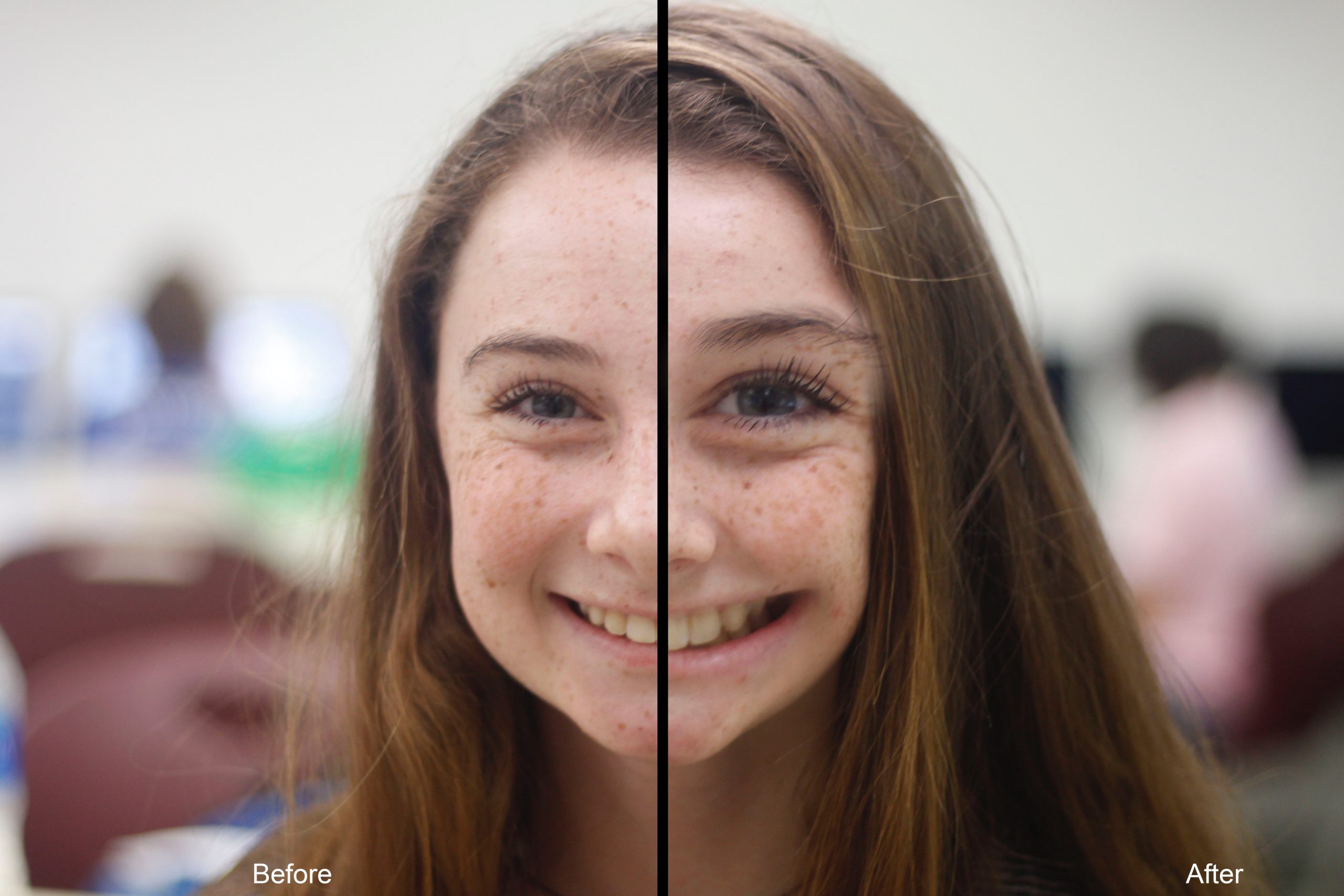
3. Psychological Pressure on Youth
The pressure to fit into these digital standards leads to serious mental health issues:
- Low self-esteem
- Anxiety and depression
- Eating disorders
- Body dysmorphia
- Social withdrawal
Many young people feel that their bodies are “not enough,” even when they are healthy.
4. Clash with Traditional Views of Beauty
Traditionally, beauty was viewed more holistically. Cultures emphasized:
- Good health
- Natural appearance
- Modesty
- Inner values and character
- Family and social harmony
In many societies, elders still believe beauty grows with confidence, behavior, and maturity, not just physical appearance.
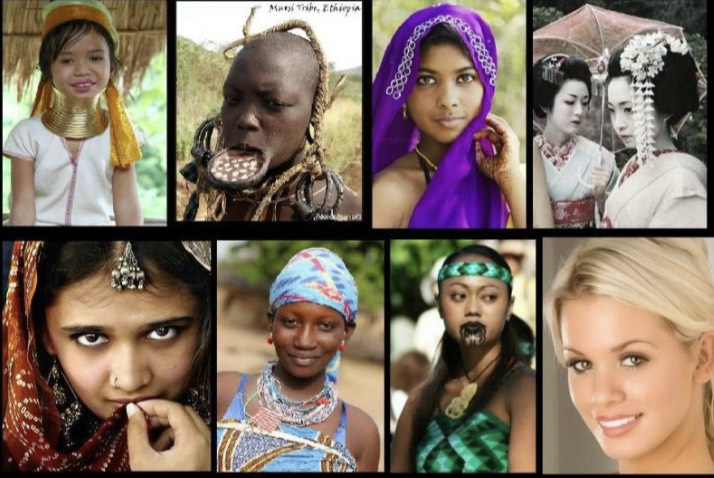


5. Generational Conflict and Identity Struggle
This difference in values creates conflict between youth and elders:
- Parents may criticize social media obsession
- Youth may feel misunderstood or controlled
- Traditional advice feels outdated to digital generations
Young people struggle to balance modern freedom and traditional expectations, leading to confusion about identity.
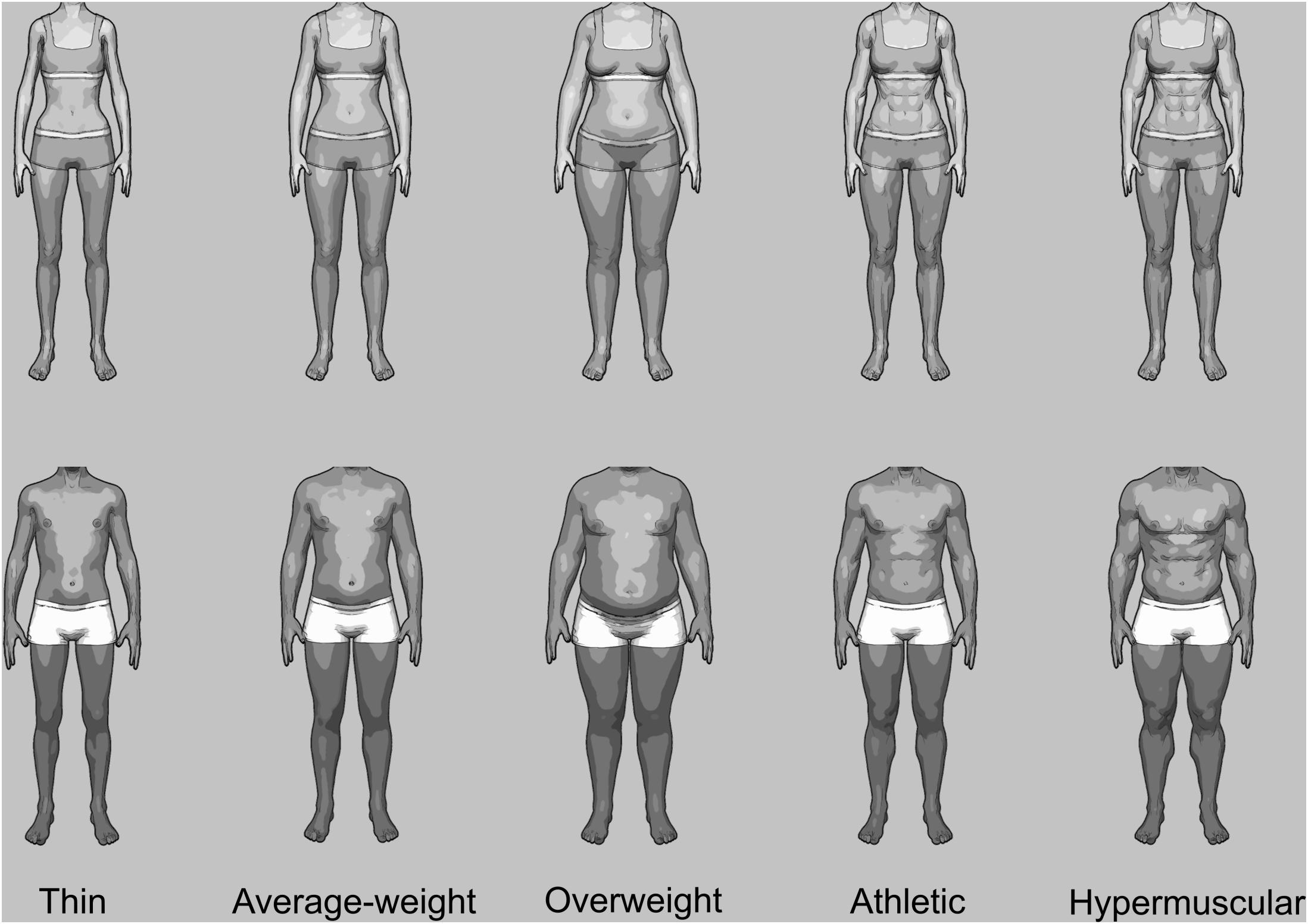
6. Gender Pressure and Body Expectations
Social media pressures affect all genders:
- Girls face pressure to be slim, fair, flawless
- Boys face pressure to be muscular, tall, and strong
This leads to unhealthy gym obsession, extreme dieting, and steroid misuse.
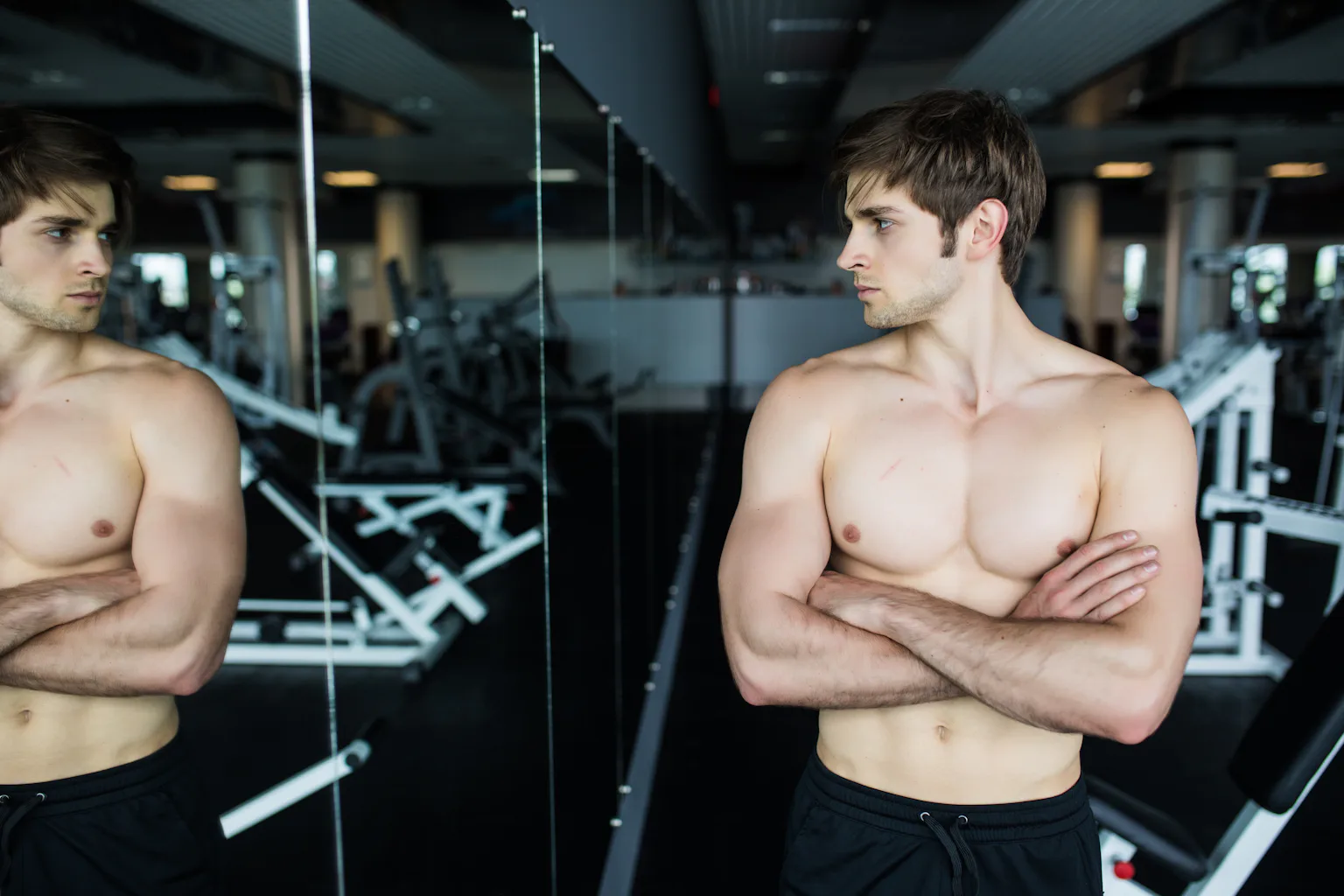

7. Commercial Influence and Beauty Industry
The beauty and fitness industries benefit from insecurity. Advertisements promote products promising:
- Perfect skin
- Weight loss
- Muscle gain
- Anti-aging solutions
Social media influencers often market these products, increasing body dissatisfaction among youth.
8. Bridging the Gap: Finding Balance
A healthy balance between modern expression and traditional wisdom is essential.
Solutions:
- Media literacy education in schools
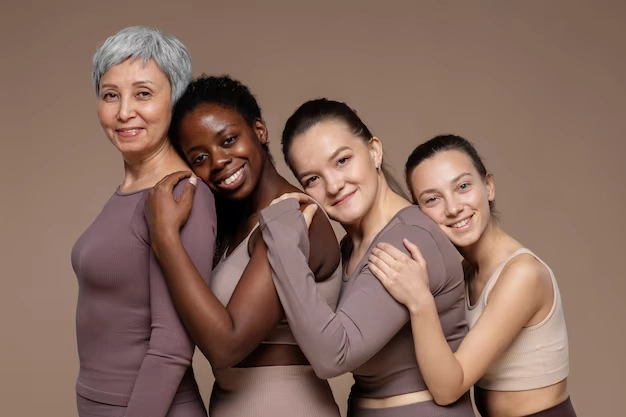
- Encouraging body positivity and diversity
- Honest conversations between parents and youth
- Limiting screen time and social media exposure
- Promoting health over appearance

9. Role of Society and Education
Schools, families, and media must work together to:
- Normalize real bodies
- Reduce stigma around appearance
- Support mental health
- Promote self-worth beyond looks
Youth should be taught that value comes from skills, kindness, and character, not just appearance.
The obsession with body image reflects a deeper struggle between digital influence and traditional values. Social media has amplified unrealistic expectations, placing heavy pressure on young minds. However, by combining modern awareness with traditional wisdom, society can help youth build confidence, self-acceptance, and emotional strength.
True beauty is not defined by filters or followers—it is defined by health, self-respect, and authenticity
The Obsession with Body Image: Social Media’s Pressure on the Youth and Its Clash with Traditional Views
In an age dominated by digital screens and constant connectivity, the concept of body image has undergone a significant transformation, particularly among the youth. Social media platforms, with their curated realities and endless comparisons, exert immense pressure, often clashing with more traditional views on self-worth and beauty. This article explores the intricate relationship between social media, body image, and the generational divide in perception.
The Digital Mirror: How Social Media Distorts Reality
Social media platforms have become the primary lens through which many young people view themselves and others. From Instagram to TikTok, a steady stream of “perfect” bodies, flawless skin, and aspirational lifestyles bombards users.
Social media’s portrayal of ideal body standards is shaping youth perceptions, creating a clash between modern beauty ideals and traditional values that once emphasized inner strength and self-worth.
The Rise of the “Perfect” Body Ideal
In today’s world, it’s almost impossible to escape the pervasive images of the “perfect” body. Social media platforms like Instagram, TikTok, and Snapchat constantly bombard young people with images of chiseled abs, flawless skin, and impossibly smooth hair. These pictures, often carefully curated and heavily edited, shape the way youth perceive beauty, often leaving them questioning their worth and striving to meet unattainable standards. What’s more concerning is that these ideals have shifted away from the real, natural body types that once dominated beauty standards and are now instead focused on extreme aesthetics often tied to artificial enhancements.
The portrayal of this “ideal” body has seeped into the minds of the younger generation, creating immense pressure to conform. The rise of influencers, celebrities, and fitness gurus on social media has only amplified this obsession. While social media has its benefits—such as fostering a sense of community or spreading awareness—it also carries the weight of unrealistic expectations. These influencers often showcase the curated version of their lives, highlighting their most attractive features and hiding their flaws, leading to an amplified sense of inadequacy in the minds of young people who compare themselves against these filtered images.
A Clash with Traditional Views of Beauty
For centuries, beauty has been celebrated in various forms, often tied to cultural heritage, self-expression, and values beyond physical appearance. Many traditional societies cherished wisdom, kindness, hard work, and emotional depth as markers of beauty. In the past, beauty was often linked with a person’s character and soul, rather than their outward appearance. For example, older generations would often say that true beauty lies within, emphasizing the importance of kindness and inner peace over superficial traits. This perspective helped foster confidence and acceptance of one’s natural form.
However, today’s youth are caught between these traditional values and the overwhelming pressure to look a certain way. The advent of social media has led to a shift in focus from inner beauty to outer appearances. Traditional concepts of beauty that emphasized authenticity, imperfection, and individuality now seem to be overshadowed by a more superficial standard that celebrates perfect skin, slim figures, and glossy images. This clash between the modern pursuit of aesthetic perfection and the traditional view of beauty as something deeper and more meaningful is creating confusion and distress among young people who feel torn between two opposing ideals.
The Psychological Toll of Social Media
It’s easy to dismiss these pressures as harmless, but the psychological toll they take on youth is staggering. Studies have shown a direct correlation between social media usage and increased anxiety, depression, and body dysmorphia. Young people—especially teenagers—are particularly vulnerable to these
pressures. They are still developing their self-identity and are highly influenced by peer opinions, media portrayals, and societal expectations.
The constant comparison to “perfect” influencers on social media often leads to feelings of inadequacy and insecurity. The need to meet these ideals can push some into extreme behaviors, including unhealthy dieting, excessive exercising, or even undergoing cosmetic procedures to mimic the flawless images they see online. The desire to “fit in” or gain validation through likes, comments, and followers becomes a dangerous cycle that affects mental health.
Beyond the psychological impact, the obsession with body image in the digital age has also resulted in youth increasingly adopting unhealthy habits to match the ideal. From restrictive diets to dangerous workout routines, some young people push their bodies to extremes to achieve the highly edited look that social media influencers promote. The obsession with outward appearance has led to the neglect of physical and mental well-being, which has profound consequences on their overall health.
Influencers and the Culture of Perfection
While social media platforms are filled with influencers promoting body positivity, many others contribute to the culture of perfection. Some influencers openly admit to using photo editing apps to modify their appearance, while others endorse unrealistic beauty standards that encourage their followers to chase after unattainable looks.
This culture of perfection isn’t just about physical appearance; it extends to lifestyle and status as well. Many influencers portray a life filled with luxury, flawless relationships, and non-stop success. The pressure to keep up with this picture-perfect world can leave many young people feeling as though they are failing or missing out. For example, influencers may promote a “fit” body through weight loss supplements or extreme workout regimens, pushing the idea that looking good is synonymous with being happy, wealthy, or successful.
This contributes to an overwhelming sense of inadequacy, as youth may internalize these ideals, thinking that if they don’t fit into these pre-defined boxes of beauty, they aren’t enough. The increased reliance on social media to measure self-worth is disempowering and fosters a dangerous cycle of comparison and self-doubt.
Reconnecting with Traditional Wisdom
Despite the overwhelming presence of social media and its focus on idealized beauty, traditional views still hold powerful truths. Elders and communities that have long valued authenticity, kindness, and the celebration of natural beauty offer a potent antidote to the toxic culture surrounding body image. These values remind the younger generation that beauty lies not in perfect symmetry but in how one carries oneself, in the relationships they cultivate, and in the wisdom they share with others.
There’s a need for a cultural shift back to the traditional principles of self-love, acceptance, and genuine self-expression. Elders often emphasize the importance of nurturing one’s mind, body, and soul, instead of constantly seeking validation from external sources. Through community activities, conversations about mental well-being, and practices like meditation or mindfulness, young people can reconnect with the deeper aspects of life, learning to appreciate their worth beyond their outward appearance.
Encouraging youth to look beyond the surface and cultivate inner confidence can have a profound impact. Traditional wisdom has always emphasized the importance of self-acceptance, empathy, and inner peace—qualities that social media, with all its focus on physical perfection, often neglects.
Conclusion: Bridging the Gap Between Modern Pressures and Timeless Wisdom
The growing obsession with body image among the youth in the age of social media presents an undeniable challenge. The unrealistic standards perpetuated by influencers and digital media are pushing young people to chase after unattainable ideals, often at the cost of their mental and physical health. Yet, traditional views on beauty, rooted in authenticity, kindness, and inner strength, provide a counterbalance to these pressures.
By fostering a dialogue between the wisdom of elders and the realities of social media, we can help bridge the gap between these two worlds. Encouraging youth to embrace a more holistic view of beauty—one that celebrates individuality, emotional well-being, and authenticity—will empower them to confidently navigate the world of social media without losing sight of their true selves.
Q&A Section: Understanding the Impact of Body Image Obsession
Q: How does social media contribute to the obsession with body image?
A: Social media amplifies unrealistic beauty standards by showcasing curated, often edited images, which creates a pressure for young people to conform to these ideals, leading to body dissatisfaction and insecurity.
Q: What are the psychological effects of body image pressure on youth?
A: The pressure to meet idealized beauty standards can lead to anxiety, depression, low self-esteem, and even body dysmorphia. It may also contribute to unhealthy behaviors like extreme dieting or overexercising.
Q: How can traditional values help combat the body image crisis?
A: Traditional values focus on inner beauty, self-acceptance, and kindness, reminding young people that their worth is not defined by appearance. These principles promote self-love, which can counteract the harmful effects of social media.
Q: Can influencers play a positive role in shaping body image perceptions?
A: Yes, influencers who promote body positivity, inclusivity, and authenticity can help counteract harmful beauty standards. By embracing diverse body types and encouraging self-acceptance, they can inspire positive change.
Q: What can parents and communities do to support healthier body image views?
A: Parents and communities can encourage open discussions about body image, promote healthy habits, and emphasize the importance of self-worth over external appearance, helping young people build confidence from