Fasting (Vrat) in India: Tradition, Health, and Changing mood
Fasting (Vrat) in India: Tradition, Health, and Changing Lifestyles
India is a land of deep traditions, rituals, and spiritual practices. From ancient scriptures like the Ramayana, Bhagavad Gita, and Puranas to festivals and daily worship, fasting (व्रत) has always been an important part of life.
People keep fasts for many reasons—health, devotion, wishes, and family well-being. Earlier, fasting was mostly associated with women, but today men also actively observe fasts during festivals and special days.
🌙Types of Fasts in India
There are many kinds of fasts followed across the country:
📅Weekly Fasts
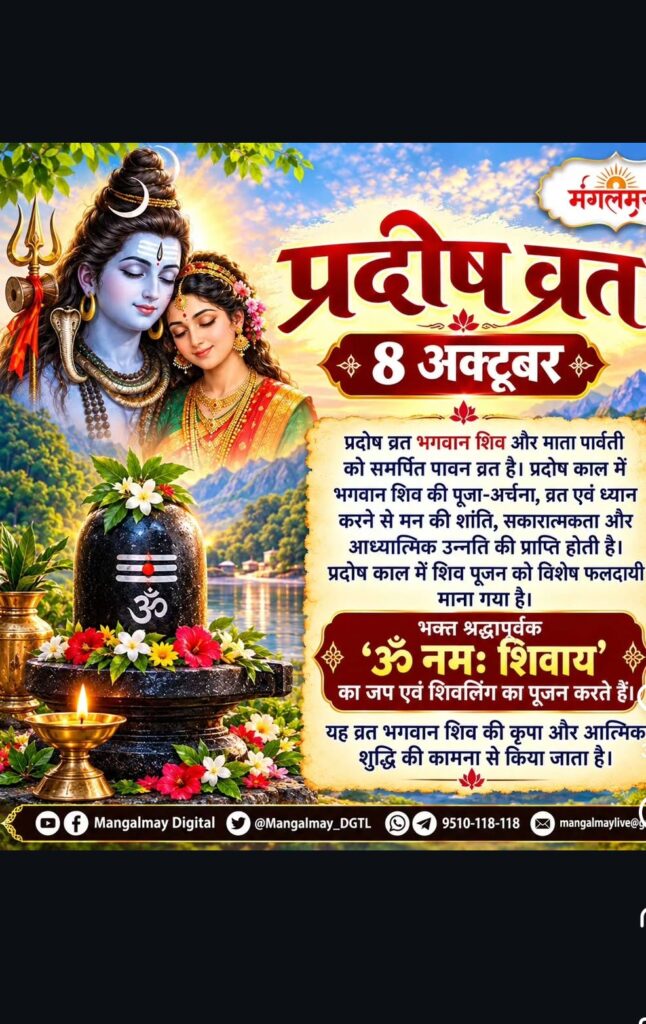
Monday (for Lord Shiva)
Thursday (for prosperity)
Saturday (for Shani Dev)
🎉 Festival Fastshttps://mycirclehub2030.com/ › fasting-vrat-in-india-traditio
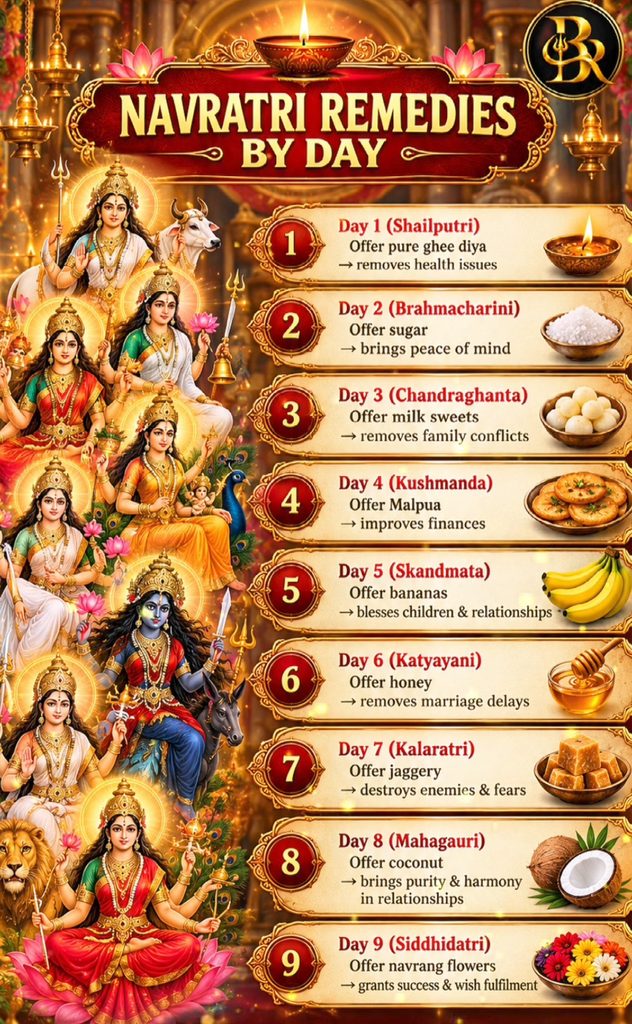
Navratri
Karva Chauth
Janmashtami
Chhath Puja
Ekadashi
Even during Diwali, many people fast before performing पूजा (worship).
🙏 Purpose of Keeping Vrat
People keep fasts for:
Family well-being (husband, children, siblings)
Fulfillment of wishes (job, success, marriage)
Spiritual peace and devotion
Removing negative energy
Fasting is seen as a way to control desires and connect with spirituality.
🧠 Spiritual and Mental Benefits
Fasting often brings:
Mental peace
Better focus
Emotional control
Spiritual growth1
It allows a person to slow down and reflect, which is helpful in today’s busy life.
🥗 What Do People Eat During Fasting?
Instead of regular food, people consume:
Fruits
Milk and dairy products
Dry fruits
Special flours like kuttu (buckwheat) and singhara
Sabudana (tapioca)
Potatoes (alu)
⚠️ Health Benefits of Fasting
If done properly, fasting can:
Improve digestion
Help detox the body
Support weight control
Regulate blood pressure (in some cases)
Eating light food and fruits gives rest to the digestive system.
❗ Health Risks of Fasting
However, неправиль (improper) fasting can cause problems:
Overeating fried foods (like pakoras, chips)
Excess potato consumption
Too much sugar intake
Possible Health Issues:
High blood sugar (especially for diabetics)
Weakness or dizziness
Low energy levels
Acidity problems
👉 People with conditions like diabetes or BP must be careful.
⚖️ Is Eating Less or Fasting Better?
Eating continuously without control can lead to obesity and disease
Controlled fasting can be beneficial
But extreme fasting or overeating both are harmful
Balance is the key.
📊 Changing Trends in Modern India
Daily fasting (Monday–Sunday type) has reduced
Festival fasting is still common
Busy schedules have affected traditional practices
Estimated Trends:
Around 60–70% people still follow festival fasts
Only 20–30% follow regular weekly fasts
Younger generation is less strict due to lifestyle changes
🧬 Does Fasting Affect Health Positively?
Yes, if done properly:
Improves metabolism
Helps mental clarity
Gives digestive rest
But:
Excess fasting can weaken the body
Not suitable for everyone
🌟 Conclusion
Fasting in India is not just about food—it is a mix of faith, discipline, and tradition. It has both spiritual and health benefits, but only when practiced wisely.
👉 Moderate fasting = Good
👉 Excess fasting = Harmful
👉 Balanced diet + devotion = Best
In today’s fast life, people may not follow all rituals strictly, but the belief and respect for traditions still remain strong.