

Dub Grass (Doob Grass): The Humble Green Carpet of Nature
introduction
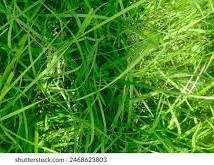
Dub Grass, also known as Doob Grass, Bermuda Grass, or Cynodon dactylon, is one of the most common and respected grasses found across India. Almost every person has seen this grass growing naturally in parks, playgrounds, roadsides, gardens, temples, fields, and even between cracks in pavements. Despite being small and simple in appearance, Dub Grass has immense religious, environmental, and medicinal importance.
For centuries, people in India have considered Dub Grass sacred. It is associated with purity, prosperity, health, and devotion. This humble grass quietly serves nature, animals, and humans in countless ways.
What is Dub Grass?
Dub Grass is a perennial grass that spreads quickly through underground roots and surface runners. It forms a soft green carpet over the ground and can survive in harsh weather conditions.
Scientific Name:
Cynodon dactylon
Common Names:
Dub Grass
Doob Grass
Bermuda Grass
Hariyali Grass
Durva Grass
It is known for its ability to grow almost anywhere with very little care.
In Which Countries is Dub Grass Found?
Although Dub Grass is very common in India, it is not limited to India alone.
It is found in:
India
Nepal
Bangladesh
Sri Lanka
Pakistan
China
Thailand
Australia
Africa
Europe
United States
South America
Today, it grows naturally or is cultivated in many countries because of its strong growth and usefulness.
Why is Dub Grass So Popular?
Dub Grass offers many benefits:
Prevents soil erosion
Covers empty land quickly
Requires little maintenance
Stays green for long periods
Tolerates heat and drought
Provides grazing food for animals
Beautifies parks and lawns
This is why societies, offices, malls, schools, and public parks often use Dub Grass in landscaping.
Religious Importance of Dub Grass
In Hindu culture, Dub Grass is considered highly sacred.
Lord Ganesha Worship
Dub Grass is especially dear to Lord Ganesha.
During Ganesh Puja, devotees offer Durva Grass to seek:
Wisdom
Prosperity
Success
Removal of obstacles
Many Hindu scriptures mention the importance of offering Dub Grass to Lord Ganesha.
Other Religious Uses
Dub Grass is also used in:
Havan and Yajna
It is offered during sacred fire rituals.
Kalash Worship
Dub Grass is placed near or inside Kalash during religious ceremonies.
Sprinkling Holy Water
Priests often dip Dub Grass into holy water and sprinkle it around homes, temples, and worship places.
This symbolizes:
Purification
Blessings
Positive energy
Prasad Decoration
In some traditions, small strands of Dub Grass are used in offerings and Prasad arrangements.
Medicinal Benefits of Dub Grass
Traditional Ayurveda has used Dub Grass for centuries.
Its juice is believed to contain beneficial natural compounds.
Possible Benefits
- Helps Stop Minor Bleeding
Traditionally applied to small cuts and wounds.
- Cooling Effect
Dub Grass juice is considered cooling for the body.
- Supports Digestion
Some Ayurvedic practices use it for digestive balance.
- May Help Urinary Health
Traditionally consumed in limited quantities under guidance.
- Skin Support
Used in some herbal preparations for skin care.
Important Note: Scientific evidence varies for many traditional uses. It should not replace professional medical treatment.
Walking Barefoot on Dub Grass
Many people walk barefoot on Dub Grass during early mornings.
Why Do People Do This?
People believe it may:
Refresh the mind
Improve mood
Reduce stress
Connect the body with nature
Provide gentle foot exercise
Morning dew on grass often creates a soothing and pleasant experience.
Although some benefits are psychological and lifestyle-related, spending time in green environments is generally considered beneficial for well-being.
Environmental Benefits
Dub Grass quietly protects nature.
Soil Protection
Its dense roots hold soil together and reduce erosion.
Dust Control
Grass-covered surfaces reduce flying dust.
Temperature Control
Green areas stay cooler than bare concrete surfaces.
Oxygen Production
Like other plants, Dub Grass contributes to oxygen production and environmental balance.
How Easily Can Dub Grass Be Grown?
Dub Grass is among the easiest grasses to grow.
It Requires:
Sunlight
Moderate water
Basic soil
It can grow from:
Seeds
Root divisions
Grass runners
Once established, it spreads rapidly.
Different Varieties of Dub Grass
Several varieties exist around the world.
Common Types
Common Bermuda Grass
Hybrid Bermuda Grass
Tifway Bermuda
Tifgreen Bermuda
Tifdwarf Bermuda
Some are used for:
Parks
Sports grounds
Golf courses
Home lawns
Uses in Parks, Sports Grounds and Public Places
Dub Grass is widely used in:
Cricket grounds
Football fields
School playgrounds
Public parks
Gardens
Residential societies
Office campuses
Its durability makes it ideal for areas with heavy foot traffic.
Is There Any Harm From Dub Grass?
Generally, Dub Grass is safe.
However:
Possible Issues
Some people may experience grass allergies.
Snakes or insects may hide in poorly maintained grass.
Overgrowth can become invasive in gardens.
Regular maintenance usually prevents these issues.
Importance for Animals
Dub Grass is an excellent natural fodder for:
Cows
Buffaloes
Goats
Sheep
It is soft, nutritious, and easily available.
Symbol of Simplicity and Strength
One remarkable quality of Dub Grass is resilience.
Even after being stepped on repeatedly, it continues growing.
This teaches a valuable life lesson:
“True strength is not always found in size and power. Sometimes it is found in patience, adaptability, and the ability to rise again.”
Dub Grass silently demonstrates this wisdom every day.
Conclusion
Dub Grass may look ordinary, but its importance is extraordinary. It serves religion, nature, animals, and human society simultaneously. From temple rituals and Ayurvedic traditions to parks and playgrounds, Dub Grass has become an inseparable part of Indian life.
Its ability to survive, spread, and remain useful under difficult conditions makes it one of nature’s most humble yet valuable gifts. The next time you see a patch of green Dub Grass beneath your feet, remember that this simple plant carries centuries of tradition, spirituality, environmental value, and natural resilience.