


Why Do Some Foreign Countries’ People Look Different ?
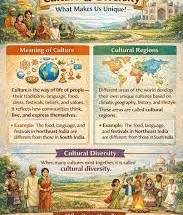
When we see people from countries such as the United States, the United Kingdom, Switzerland, Germany, Norway, Sweden, or other parts of Europe, many of us notice that they often look different from us. Some have fair skin, blue or green eyes, blonde or brown hair, and distinct facial features. Because these traits may be less common where we live, they can appear especially attractive or unique.
However, beauty is not limited to one country, one skin color, or one appearance. Every part of the world has its own natural beauty. Human diversity is one of the greatest gifts of nature.
Why Do People Look Different?
People around the world look different because humans have adapted to different environments over thousands of years. Climate, sunlight, geography, genetics, and lifestyle have all influenced physical features across generations.
Someone born in Northern Europe may naturally have different features from someone born in South Asia or Africa because their ancestors lived in different climates for a very long time.
How Does Climate Affect Appearance?
Climate plays an important role in shaping human features.
In colder countries:
Sunlight is weaker for much of the year.
Fair skin helps the body produce vitamin D more efficiently from limited sunlight.
Light-colored eyes and hair became more common through inherited genetic traits in certain populations.
In warmer tropical regions:
Strong sunlight led to higher levels of melanin in the skin.
Darker skin provides better natural protection against ultraviolet (UV) rays.
Hair texture and other physical features also adapted to local environments over many generations.
These differences are natural adaptations rather than signs of superiority or inferiority.
Can AI Change Human DNA?
According to current scientific knowledge, AI itself cannot change human DNA or genes.
DNA is inherited from parents. AI is a computer technology that processes information and helps people perform tasks more efficiently.
AI can assist scientists in studying genetics, but it does not directly alter the DNA of people simply by using computers or mobile phones.
Can AI Affect the Human Brain?
Technology can influence how people think and behave, but this is different from changing the brain’s biology.
Heavy use of digital technology may affect:
Attention span
Memory habits
Learning styles
Decision-making
Social interaction
Whether these effects are positive or negative depends largely on how technology is used.
Can AI Make People Smarter?
AI can help people learn faster by providing:
Educational resources
Language translation
Research assistance
Personalized learning
Faster access to information
However, AI cannot replace human curiosity, creativity, critical thinking, or wisdom.
Real understanding still comes from learning, experience, and practice.
Can AI Increase Height?
No.
A person’s height is mainly influenced by:
Genetics
Nutrition
Physical activity
Sleep
Overall health during childhood and adolescence
AI cannot directly increase a person’s height.
Can AI Increase Work Speed?
Yes, in many situations.
AI can help people:
Complete routine tasks faster
Analyze large amounts of data
Improve productivity
Reduce repetitive work
Save time
This allows people to focus on creative thinking, planning, and problem-solving.
Can Technology Influence Future Generations?
Technology influences how children learn, communicate, and solve problems.
It may change:
Education
Work habits
Communication
Lifestyle
Digital skills
However, these changes are different from changing inherited DNA.
Does AI Affect Human Genes?
Current scientific evidence shows that using AI does not change a person’s genes.
Research in genetics uses AI to analyze medical data, discover diseases, and support the development of treatments. In these cases, AI is a research tool—not a force that changes people’s genes.
Are There Any Risks of Using AI?
Like any powerful technology, AI should be used responsibly.
Possible concerns include:
The Role of Genetics
Genetics is one of the biggest reasons people inherit different appearances.
Genes influence:
Skin color
Eye color
Hair color
Hair texture
Height
Facial structure
Children inherit these characteristics from their parents and ancestors. This natural variation creates the rich diversity seen across the world.
Does Food Make a Difference?
Yes. Diet affects overall health and appearance.
A balanced diet rich in fruits, vegetables, whole grains, healthy fats, proteins, and sufficient water can contribute to:
Healthier skin
Stronger hair
Better energy
Improved fitness
Healthy body weight
Different countries have different eating habits, but good nutrition benefits everyone regardless of nationality.
Lifestyle Also Matters
Daily habits strongly influence appearance.
Healthy lifestyles often include:
Regular physical activity
Adequate sleep
Hydration
Good skincare
Reduced smoking and excessive alcohol
Stress management
A healthy lifestyle can make people look energetic and confident at any age.
Beauty Is More Than Skin Color
Physical appearance is only one part of beauty.
True beauty also comes from:
Kindness
Confidence
Good character
Respect for others
Positive thinking
A genuine smile
These qualities make a person attractive in every culture.
Spirituality and Inner Peace
Many traditions around the world teach that inner peace is reflected on the face.
Practices such as:
Meditation
Prayer
Yoga
Mindfulness
Gratitude
can help reduce stress and improve emotional well-being. While spirituality does not change genetics, it can positively influence a person’s expressions, confidence, and overall presence.
Is One Country More Beautiful Than Another?
No.
Every country has people with different appearances, and beauty exists everywhere. Attraction is also influenced by culture, familiarity, personal preferences, media, and individual experiences.
Someone may find European features attractive, while another person may admire Asian, African, Middle Eastern, or Indian features.
Beauty is diverse rather than universal.
Respect Human Diversity
Human diversity makes our world interesting and beautiful.
Different skin tones, eye colors, hair types, languages, cultures, and traditions remind us that humanity is connected despite our differences.
Instead of comparing appearances, we should appreciate the uniqueness of every individual.
Conclusion
People from different countries look different because of genetics, climate, evolution, environment, and lifestyle over thousands of years. Fair skin, light eyes, or blonde hair are simply natural variations within the human family.
Real beauty is not defined by skin color or nationality. Good health, kindness, confidence, wisdom, and respect for others are qualities that make every person truly attractive.
The diversity of humanity is something to celebrate, because every individual contributes to the beauty of our shared world