



The Tamarind Tree: A Gift of Nature for Food, Industry,
Introduction
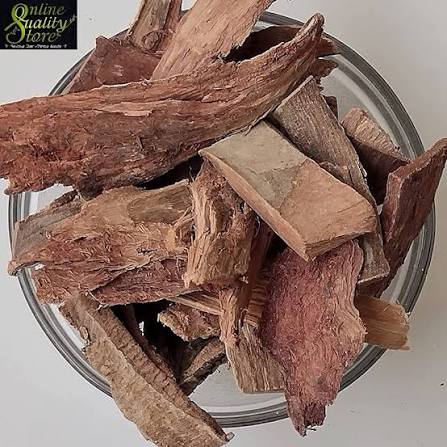
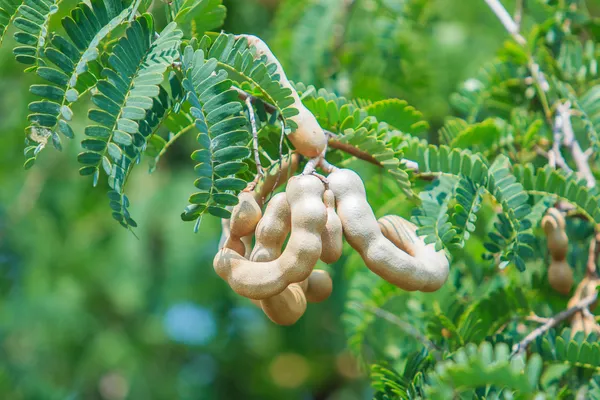
The tamarind tree (Tamarindus indica) is one of the most valuable tropical trees in the world. Known as “Imli” in Hindi, it has been used for centuries in cooking, traditional medicine, agriculture, and religious traditions. Every part of the tree—including its fruit, seeds, leaves, bark, and wood—has economic and practical value. Today, tamarind is not only a household ingredient but also an important raw material for several industries.
The Tamarind Fruit
People have enjoyed tamarind since ancient times. Children often eat green (raw) tamarind with salt, while ripe brown tamarind is loved for its sweet and sour taste. For generations, tamarind has been sold in local grocery shops and markets.
It is widely used in:
Curries
Chutneys
Sambhar
Rasam
Pickles
Soups
Sauces
Candies
Beverages
Street foods
The unique sour flavor makes tamarind one of the world’s most popular natural souring agents.
Tamarind in Food Products
Modern food industries use tamarind in many products, including:
Tamarind paste
Tamarind concentrate
Tamarind powder
Ready-to-cook spice mixes
Instant soups
Sauces
Ketchup
Marinades
Soft drinks
Herbal drinks
Ice creams
Candies
Snacks
Seasoning powders
Its natural acidity improves flavor and also helps preserve food.
Uses of Tamarind Seeds
Earlier, tamarind seeds were often discarded. Today, they have become valuable industrial raw materials.
The seeds are processed into Tamarind Kernel Powder (TKP), which is used in:
Tissue paper manufacturing
Textile printing
Paper industry
Adhesives
Plywood
Packaging materials
Pharmaceutical products
Cosmetics
Animal feed
Biodegradable products
Researchers are also exploring tamarind seed polysaccharides for environmentally friendly packaging and biomedical applications.
Medicinal Benefits of Tamarind
Traditional medicine has used tamarind for centuries.
Some potential health benefits include:
Rich source of antioxidants
Good source of Vitamin C
Contains potassium, magnesium, and calcium
Helps support digestion
May help relieve constipation because of its natural fiber
May help reduce inflammation
Supports immune health
Used in some traditional remedies for fever and sore throat
Modern scientific research continues to study its bioactive compounds, although medicinal use should not replace professional medical care.
Does Tamarind Have the Highest Use Among Sour Ingredients?
Tamarind is one of the most widely used natural souring ingredients, especially in South Asian, Southeast Asian, African, and Latin American cuisines. However, different regions also commonly use:
Lemon
Lime
Vinegar
Kokum
Raw mango
Aamchur (dry mango powder)
Its popularity depends on local food traditions.
Tamarind Farming
Yes, many farmers cultivate tamarind commercially.
The tree grows well in:
India
Thailand
Indonesia
Sri Lanka
Bangladesh
Myanmar7
Several African countries
Mexico
The tree is drought-tolerant and can produce fruit for many decades. A mature tree may continue yielding fruit for over 50 years.
Production and Yield
A healthy mature tamarind tree can produce a substantial quantity of pods every year, depending on:
Tree age
Climate
Soil quality
Water availability
Farming practices
India is among the world’s largest producers of tamarind.
Export and Import
Tamarind is traded internationally.
Major exporting countries include:
India
Thailand
Indonesia
It is exported as:
Whole pods
Tamarind pulp
Paste
Concentrate
Powder
Tamarind kernel powder
Major importing countries include many nations in Europe, North America, the Middle East, and Asia, where tamarind is used by food and manufacturing industries.
Economic Importance
The tamarind industry provides income through:
Fruit sales
Seed processing
Food manufacturing
Pharmaceutical production
Textile industry
Paper industry
Export business
Rural employment
Very little of the tree goes to waste.
Environmental Benefits
The tamarind tree offers several environmental advantages:
Provides shade
Prevents soil erosion
Absorbs carbon dioxide
Supports biodiversity
Offers shelter for birds and insects
Survives dry conditions
Because of these benefits, many communities plant tamarind trees along roadsides, farms, schools, and villages.
Religious and Spiritual Importance
In many parts of India, trees are respected as symbols of nature and life, and the tamarind tree also has cultural significance.
In some regions:
People worship or honor old tamarind trees during local traditions.
Tamarind leaves are occasionally used in certain regional religious rituals.
Ancient tamarind trees near temples are regarded as heritage trees because of their age and historical importance.
Practices vary widely by region and community, and there is no single nationwide tradition of worshiping tamarind trees.
Folklore and Stories
Many villages have stories connected with old tamarind trees. Some believe these trees protect the village because they have stood for hundreds of years, while others associate them with local legends or saints. Such beliefs are part of local folklore rather than established historical fact.
Interesting Facts
The tamarind tree can live for well over 100 years.
Almost every part of the tree has a practical use.
Tamarind seeds, once considered waste, are now valuable industrial materials.
The fruit is enjoyed both raw and ripe.
Tamarind is used in cuisines across Asia, Africa, and Latin America.
The tree requires relatively little maintenance after establishment.
Conclusion
The tamarind tree is far more than a source of sour fruit. It supports food industries, medicine, agriculture, paper manufacturing, textiles, pharmaceuticals, and exports. Its seeds have become valuable industrial resources, while its fruit remains an essential ingredient in millions of kitchens worldwide. The tree also contributes to environmental conservation and holds cultural importance in many communities. Because of its nutritional, economic, industrial, and ecological value, the tamarind tree truly deserves recognition as one of nature’s most useful and sustainable trees.