

Mountain Plants vs. Plains Plants: Which Trees Grow Where,
Mountain Plants vs. Plains Plants: Which Trees Grow Where, Why They Matter, and How They Help Humans
Nature never grows everywhere in exactly the same way. A tree that grows naturally on a cold mountain slope may struggle to survive in a hot plain, while a tree common in the plains may not tolerate freezing mountain temperatures. Temperature, rainfall, altitude, soil, sunlight, moisture and human activity all influence which plants can survive in a particular region.
This is why mountain forests look different from forests in the plains. It is also why some mountain plants become famous for food, medicine, juice, traditional remedies and even furniture, while many lowland trees are especially important for timber, fruits, shade, agriculture and pollution control.
The interesting question is: Are there actually more tree and plant species in the plains than in the mountains? The answer is not simply yes or no. It depends on the geographical area, climate and how we count species.
- Why Do Mountains Have Different Plants?
As we climb a mountain, the environment changes.
The temperature generally becomes lower with increasing altitude. The air becomes thinner, slopes become steeper, and in many areas the growing season becomes shorter.
Plants therefore need special adaptations.
Some mountain plants have:
Strong roots to hold soil on slopes
Smaller or tougher leaves
Thick bark
Resistance to cold
Ability to survive snow or frost
Growth patterns suited to short summers
Roots that can survive in rocky soil
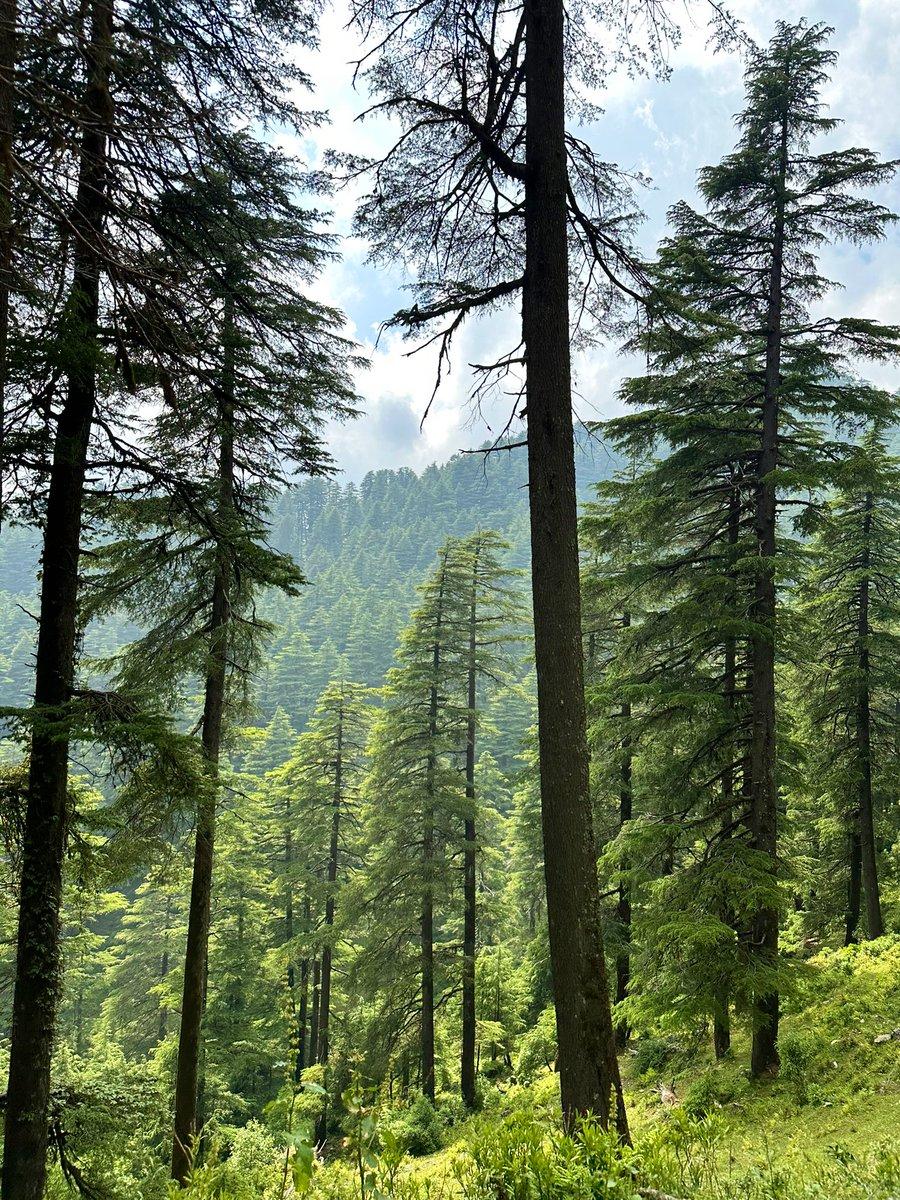
For example, deodar, blue pine, chir pine, Himalayan oak, rhododendron and Himalayan birch are associated with Himalayan forests at different elevations.
- Which Trees Are Famous in Mountain Areas?
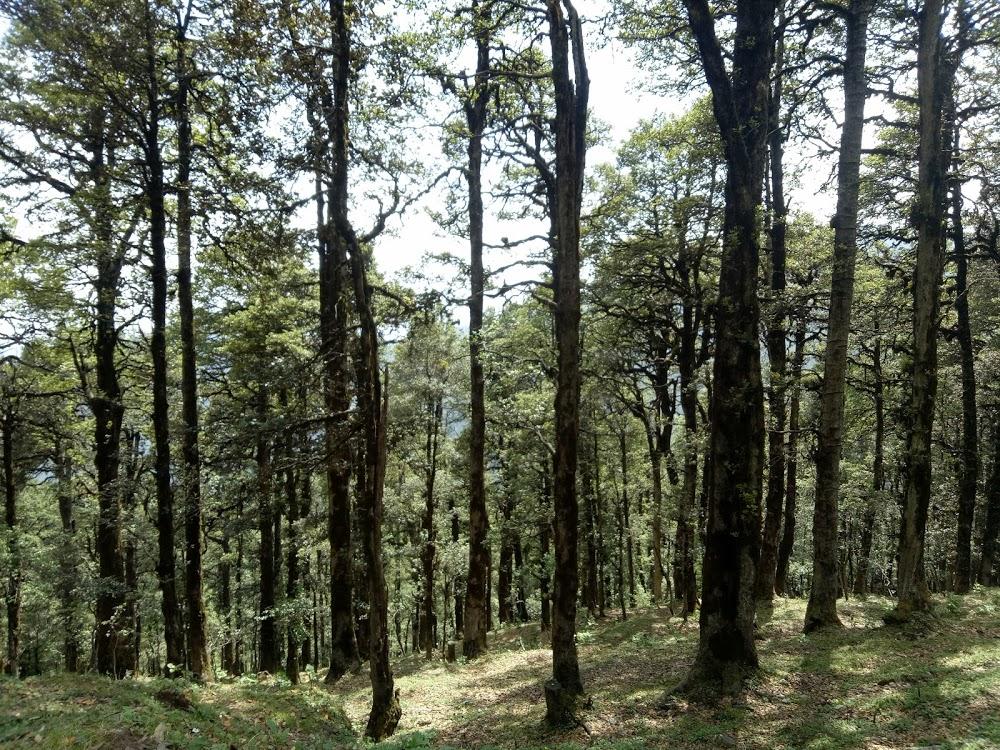
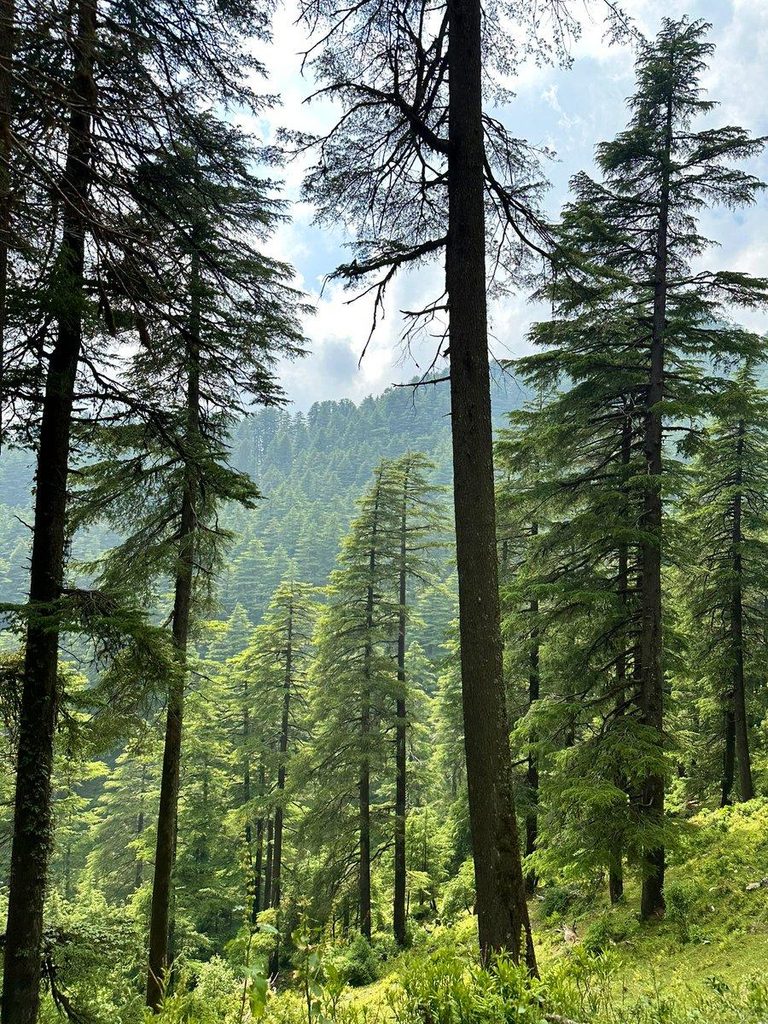
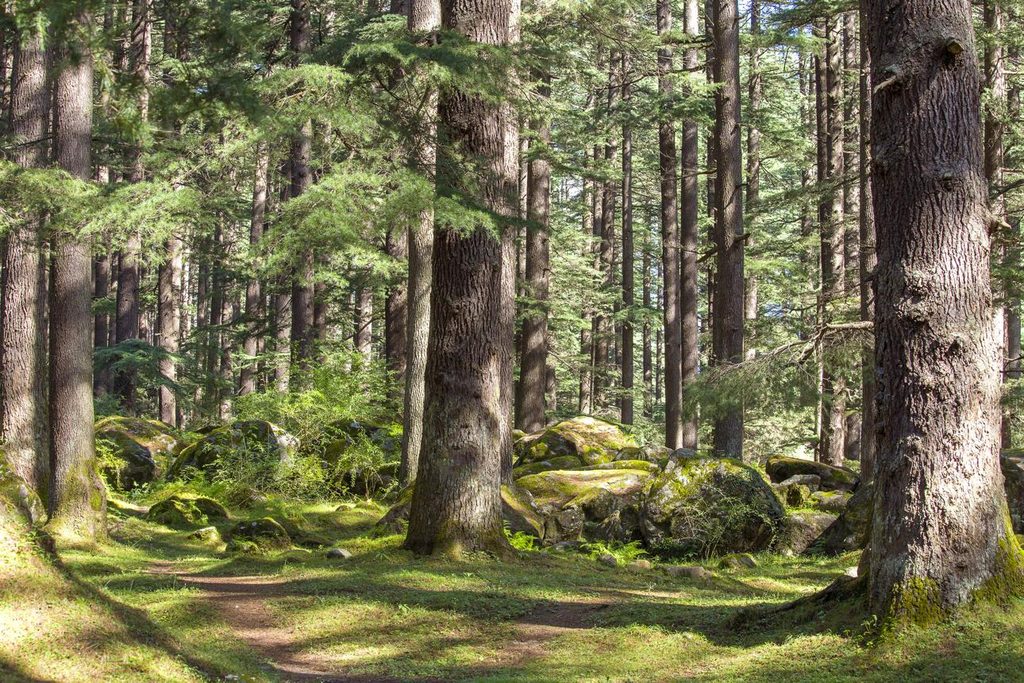
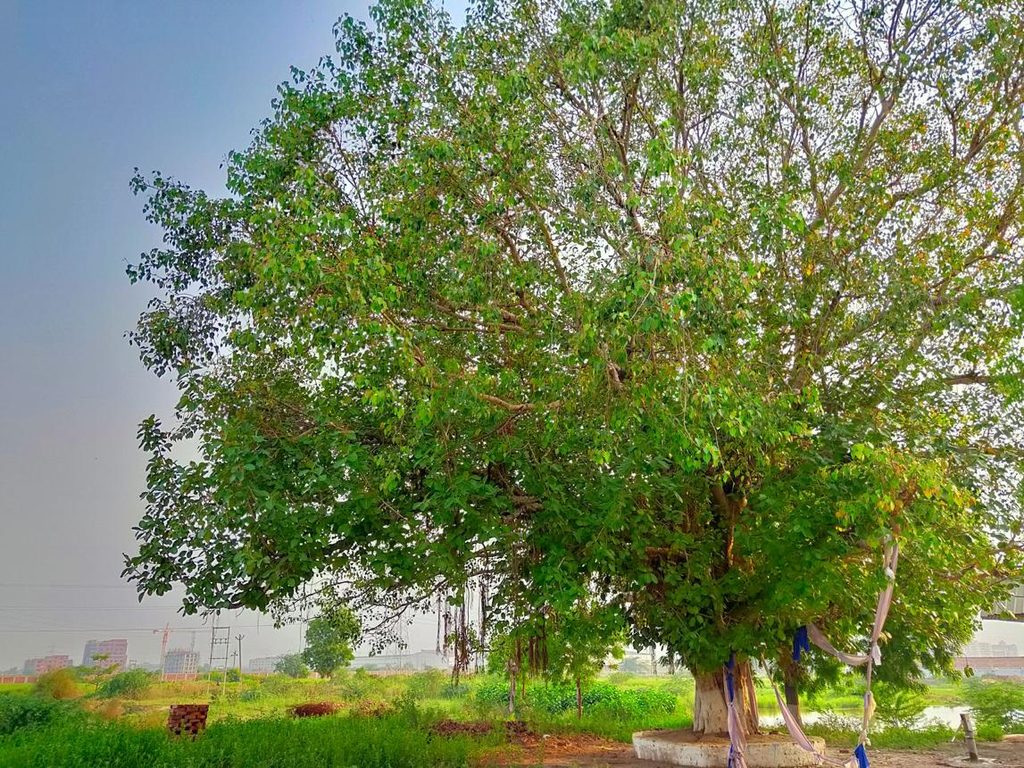
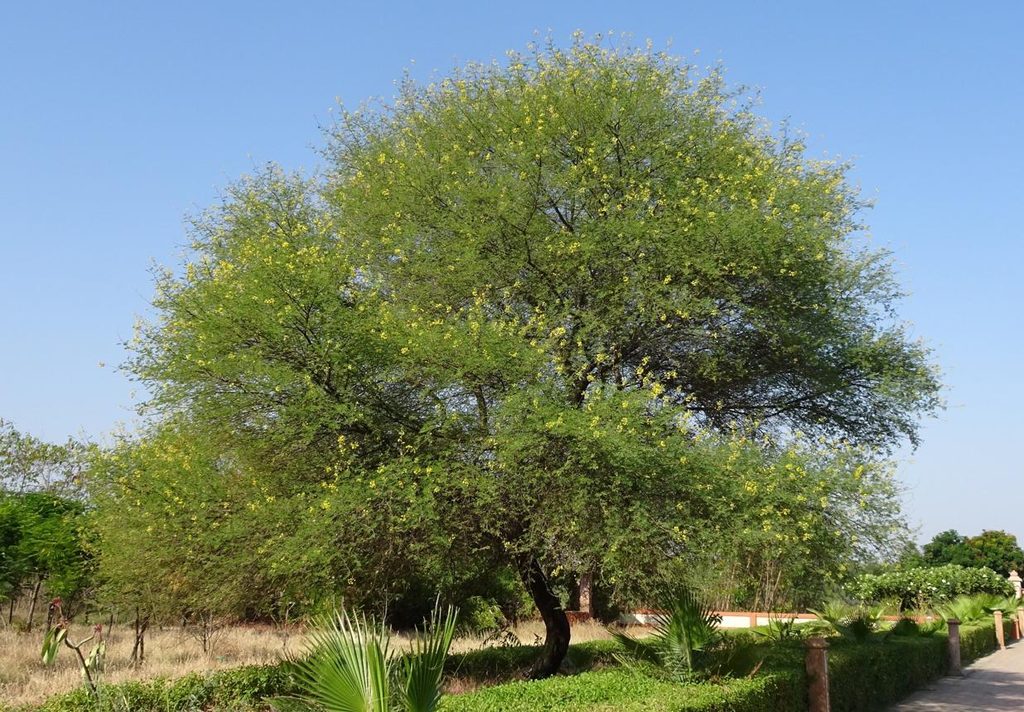
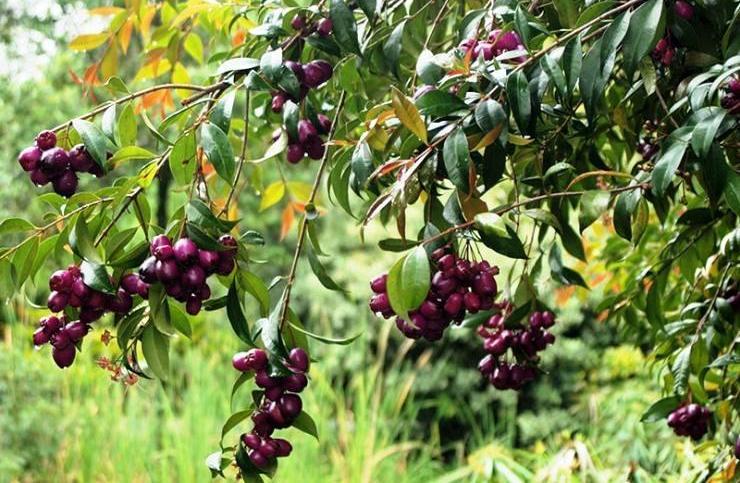
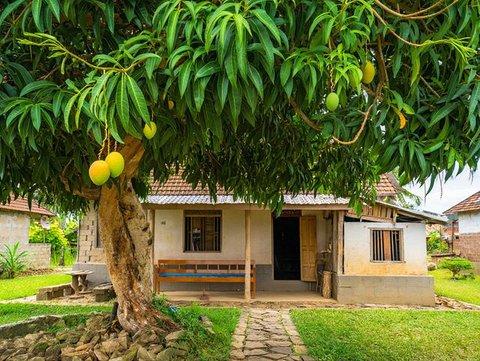
Deodar — Cedrus deodara
Deodar is one of the best-known Himalayan trees. Its name itself is associated with the idea of a “divine tree.”
It prefers mountain conditions and is especially associated with the western Himalayas.
Its wood has historically been valued for construction and other uses because it is durable and workable.
Chir Pine — Pinus roxburghii
Chir pine occurs widely in Himalayan areas, especially at lower and middle elevations.
Its resin has traditionally been collected for industrial purposes.
It also plays an important ecological role, although pine-dominated landscapes can have particular fire-management challenges.
Blue Pine — Pinus wallichiana
Blue pine is another Himalayan conifer. It grows at higher elevations than many trees found in the plains.
Its timber has various uses, while the tree itself contributes to mountain forest ecosystems.
Himalayan Oak — Quercus leucotrichophora
Himalayan oak is extremely important environmentally.
Oak forests help retain moisture and protect mountain soils. Their leaf litter contributes organic matter to the soil.
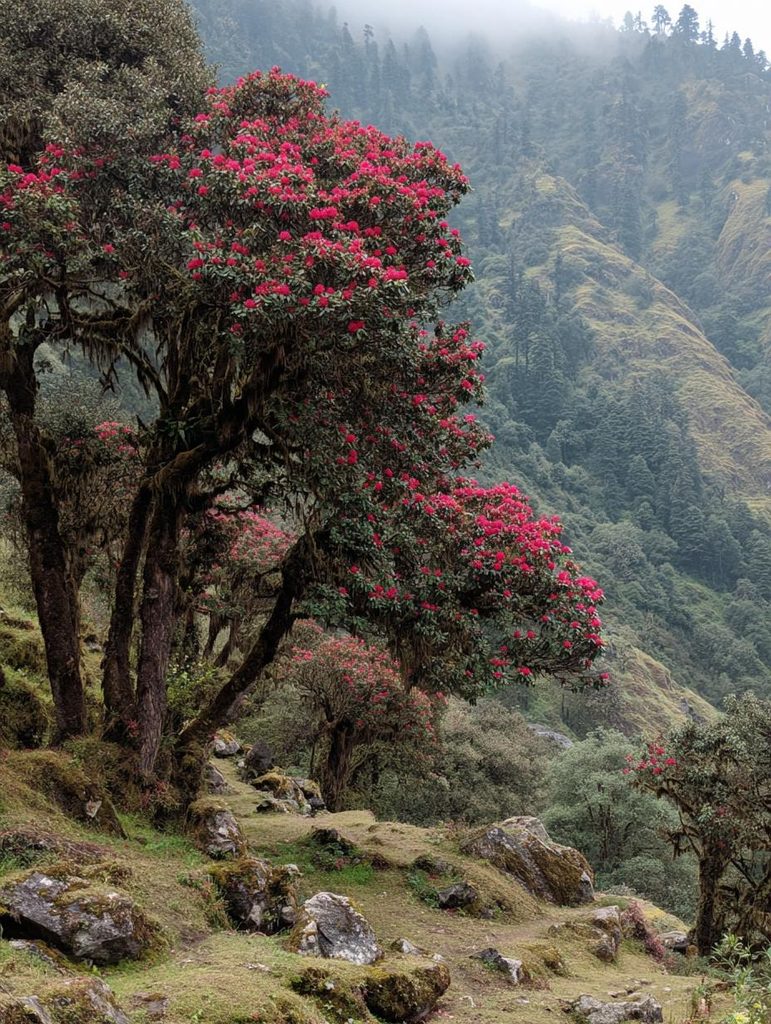
Rhododendron — Rhododendron arboreum
This is one of the most recognizable flowering trees of the Himalayas.
Its flowers are sometimes used to prepare traditional beverages and food products in Himalayan communities.
Himalayan Birch — Betula utilis
Himalayan birch grows at high elevations and is adapted to harsh mountain conditions.
Historically, its bark had several traditional uses.
- Which Plants Grow Naturally in the Mountains?
Not every mountain plant is a large tree.
At different elevations we can find:
Trees
Shrubs
Herbs
Grasses
Climbers
Medicinal plants
Wild edible plants
Some plants are particularly associated with high-altitude Himalayan environments.
Examples include:
Juniper — Juniperus species
Junipers can survive difficult mountain environments and are important components of high-altitude ecosystems.
Sea buckthorn — Hippophae rhamnoides
This shrub is famous in cold Himalayan regions, particularly Ladakh and other high-altitude areas.
Its orange berries are rich in naturally occurring nutrients and are used in juices and other food products.
Nettle — Urtica dioica and related species
Some nettles are traditionally cooked as vegetables after appropriate preparation.
Rhododendron — Rhododendron arboreum
Its flowers are used traditionally for drinks and food products in some Himalayan communities.
- Are Mountain Plants Used as Vegetables, Juice and Medicine?
Yes.
This is one of the most interesting parts of mountain biodiversity.
Local communities have learned over generations that certain wild plants can be useful.
Some are used as:
Vegetables
Fruits
Juices
Spices
Herbal preparations
Traditional remedies
Animal fodder
Fuel
Building materials
But there is an important distinction: traditional medicinal use does not automatically mean that a plant is medically proven or safe for everyone.
A wild plant should never be eaten simply because someone says it is “medicinal.” Correct identification and appropriate preparation are important because some plants can be poisonous.
- Which Trees Grow Both in Mountains and Plains?
This is where the comparison becomes especially interesting.
Some plants have a wide natural distribution or can be cultivated across different elevations.
Examples include:
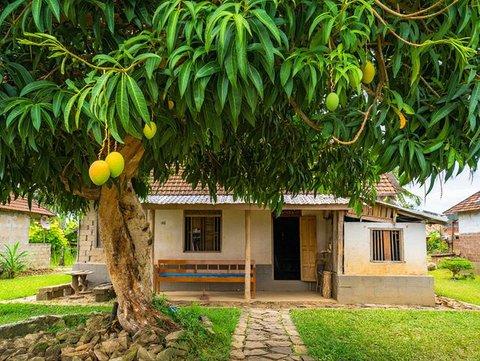
Mango — Mangifera indica
Mango is mainly associated with warm and tropical/subtropical regions.
It grows very well in plains and lower elevations, although suitable conditions can allow cultivation in some lower mountain areas.
Guava — Psidium guajava
Guava is another tree that can grow in many warm regions.
It is commonly cultivated in plains and can also grow in suitable lower-elevation areas.
Lemon — Citrus limon
Citrus plants can be grown across a range of elevations, depending on temperature and local conditions.
Walnut — Juglans regia
Walnut is particularly associated with cooler regions and is important in Himalayan areas.
It can also be cultivated outside the mountains where climate conditions are suitable.
Apricot — Prunus armeniaca
Apricot is strongly associated with cooler regions and Himalayan cultivation, but it is not restricted exclusively to mountains.
Apple — Malus domestica
Apple is a classic example of a fruit crop associated with cooler mountain climates in India.
However, different apple varieties have different temperature requirements, and cultivation is possible in selected non-mountain regions as well.
- Which Trees Are Mostly Plains Trees?
Neem — Azadirachta indica
Neem is one of India’s most famous multipurpose trees.
It is used for:
Shade
Traditional household practices
Agricultural products
Neem oil
Various industrial products
Neem is also valued for its ability to tolerate relatively hot and dry conditions.
Banyan — Ficus benghalensis
The banyan is a giant tree capable of developing enormous crowns and aerial roots.
It provides shade and habitat for many organisms.
Peepal — Ficus religiosa
Peepal is widespread in the Indian subcontinent and grows well in many warm environments.
It is also culturally important.
Jamun — Syzygium cumini
Jamun produces edible fruits and is common in many parts of the Indian plains.
The fruit is consumed fresh and is also used in juices and other preparations.
Shisham — Dalbergia sissoo
Shisham is an important tree of northern India and is particularly valued for its timber.
Its wood is widely used in:
Furniture
Doors
Cabinets
Woodwork
Agricultural implements
Babul — Vachellia nilotica
Babul is well adapted to relatively dry conditions and is important in many parts of India’s plains and semi-arid regions.
- Why Do Plains Have So Many Different Trees?
There is an important geographical reason.
India’s plains are extremely large.
They contain:
River valleys
Agricultural landscapes
Tropical areas
Subtropical areas
Dry regions
Wet regions
Floodplains
Grasslands
Forests
Urban environments
Therefore, when the total area is considered, many different plant species can occur across the plains.
But this does not mean that every plain has more species than every mountain region.
A small plain area may have fewer species than a biodiversity-rich mountain forest.
- Mountains Can Have Extraordinary Biodiversity Too
Mountains should not be considered biologically poor simply because they have fewer large trees in some high-altitude zones.
Actually, mountains can contain enormous biodiversity because different elevations create different ecological zones.
Imagine walking from the foothills toward a high Himalayan peak.
You may pass through:
Warm forest → subtropical forest → pine forest → oak forest → temperate forest → conifer forest → alpine shrubs → alpine meadows → almost vegetation-free high-altitude areas.
Each zone has its own plant community.
So, in a relatively short horizontal distance, a mountain landscape can contain many different ecological environments.
- Why Can’t Many Plains Trees Grow at Very High Altitudes?
Temperature is one of the biggest reasons.
A tropical tree may need warm conditions for:
Photosynthesis
Flowering
Fruit development
Seed production
Root growth
At high altitude, temperatures can become too low.
Snow, frost, strong winds and a short growing season can further limit growth.
This is why you cannot simply take a mango or banyan tree and expect it to naturally establish itself high in the Himalayas.
The opposite is also true.
A tree adapted to severe cold may not perform well in a very hot lowland environment.
- What About Pollution and Traffic?
Trees cannot magically eliminate traffic pollution.
But vegetation can help reduce some environmental impacts.
Trees and shrubs can:
Capture some particulate matter on leaves
Provide shade
Reduce heat
Store carbon as they grow
Reduce wind speed
Improve local microclimates
Help stabilize soil
Provide habitat
Reduce some forms of dust movement
This is especially useful around roads.
A properly designed green belt can therefore become part of an urban pollution-management strategy.
But it should not be considered a substitute for controlling vehicle emissions.
- Which Trees Are Useful Along Roads?
For roads and cities, the best species depend on the local climate.
Trees selected for urban roads should ideally have characteristics such as:
Tolerance of heat
Resistance to local conditions
Appropriate root systems
Reasonable maintenance requirements
Resistance to pests
Good canopy structure
Suitability for available space
Trees such as neem, native figs, arjun and other locally suitable species can be considered in appropriate locations.
However, planting the right native or climate-suitable species is generally more important than simply choosing the biggest tree.
- Can Mountain Trees Help Control Pollution?
Yes, but their role depends on where they are planted.
Mountain forests are extremely important for environmental protection.
They help with:
Soil conservation
Roots hold soil together and reduce erosion.
Water regulation
Forest ecosystems influence infiltration, runoff and water retention.
Carbon storage
Growing vegetation stores carbon in biomass and soil.
Dust and air quality
Vegetation can intercept some airborne particles.
Climate regulation
Forests influence local temperature and humidity.
However, mountain forests are not designed specifically to handle city traffic pollution. Urban pollution requires emission reduction, public transport, cleaner fuels and better traffic management alongside green infrastructure.
- Plants Used for Food
Humans have always depended on plants for food.
From mountains to plains, people consume:
Fruits
Leaves
Flowers
Seeds
Roots
Tubers
Stems
Spices
Nuts
Mountain regions may provide foods such as:
Rhododendron flowers in traditional preparations
Wild leafy vegetables
Himalayan berries
Walnuts
Apricots
Apples
Various herbs
The plains provide enormous quantities of:
Mangoes
Guavas
Bananas
Citrus fruits
Vegetables
Pulses
Grains
Oilseeds
This difference is largely the result of climate and agriculture.
- Plants Used for Medicine
Plants have played a major role in traditional medicine for thousands of years.
Some famous medicinal or traditionally medicinal plants include:
Ashwagandha — Withania somnifera
It is widely used in traditional Ayurvedic preparations.
Amla — Phyllanthus emblica
Amla is an important edible fruit and is also widely used in traditional preparations.
Turmeric — Curcuma longa
Turmeric is both a food spice and an important traditional medicinal plant.
Giloy — Tinospora cordifolia
It has a long history of traditional use.
Neem — Azadirachta indica
Neem has many traditional and industrial applications.
The important point is that traditional use and modern clinical evidence are not always the same thing. A plant should not be treated as a replacement for proven medical treatment simply because it has a traditional reputation.
- Plants Used for Furniture
Trees are also an important source of timber.
Some important timber trees include:
Tree Botanical name Common uses
Shisham Dalbergia sissoo Furniture, doors, woodwork
Deodar Cedrus deodara Construction, woodwork
Teak Tectona grandis Furniture, construction
Sal Shorea robusta Construction, timber
Mango Mangifera indica Furniture and woodwork
Walnut Juglans regia High-value furniture and carving
Sustainable forestry is important because cutting mature trees without regeneration can damage ecosystems.
- Are There More Trees in the Plains Than Mountains?
The most accurate answer is:
There is no single universal number that proves that plains always have more tree species than mountains.
Three different things must be separated:
- Total number of trees
A huge lowland area may contain enormous numbers of individual trees. - Number of species
A smaller mountain region can sometimes have a surprisingly high number of plant species. - Number of different ecosystems
Mountains can contain many ecosystems within relatively short distances because altitude changes rapidly.
Therefore, saying “plains always have more plant species” would be too simplistic.
- Why Climate Makes Such a Big Difference
Think of India as a giant natural laboratory.
The country has:
Himalayan cold zones
Himalayan foothills
Northern plains
Central Indian forests
Western dry regions
Eastern wet regions
Coastal ecosystems
Tropical forests
Islands
Each climate creates opportunities for different plants.
A tree’s distribution is therefore not decided only by whether a place is called a “mountain” or “plain.”
It is decided by the combination of:
temperature + rainfall + altitude + soil + water + sunlight + disturbance + geography.
- Some Plants Are Mountain Specialists
There are plants that are strongly associated with high mountains and may not naturally occur in India’s hot plains.
Examples include several high-altitude:
Junipers
Alpine shrubs
Himalayan birch populations
High-altitude herbs
Certain rhododendrons
Himalayan cushion plants
These plants have evolved or adapted to environments where temperatures, growing seasons and moisture conditions are very different from those of the plains.
- Some Plants Are Lowland Specialists
Likewise, many tropical and subtropical plants are much more comfortable in warm lowland environments.
Examples include:
Banyan
Peepal
Neem
Babul
Many tropical palms
Mango
Several warm-climate fruit trees
Some can be cultivated outside their typical natural ranges, but cultivation does not necessarily mean that the species naturally occurs there.
- The Most Important Difference: Natural Growth vs. Human Planting
This distinction is often missed.
A tree can be found in a mountain town because people planted it there.
That does not mean it is naturally a mountain tree.
Similarly, a mountain species may be planted in a botanical garden in the plains, but that does not mean it naturally grows there.
Therefore, when comparing mountain and plains vegetation, we should ask:
Is the tree naturally occurring, or was it planted by humans?
This makes the comparison much more accurate.
- Why Mountain Plants Are Valuable Even When Their Numbers Are Smaller
A mountain plant does not have to exist in huge numbers to be important.
A particular species may:
Protect mountain soil
Provide food for wildlife
Support pollinators
Store carbon
Help regulate water
Provide food to local communities
Have cultural importance
Have potential scientific value
In biodiversity, rarity can itself be important.
A plant growing only in a small geographical region can be more vulnerable to climate change, habitat destruction and human disturbance.
- Mountains and Plains Need Each Other
It is not useful to think of mountains and plains as two completely separate worlds.
They are connected.
Mountain forests influence:
Rivers
Groundwater
Soil
Climate
Agriculture downstream
Wildlife
Human settlements
Plains, meanwhile, contain enormous agricultural systems that provide food for millions of people.
The health of one region can affect the other.
- A Simple Step-by-Step Comparison
Step 1 — Look at temperature
Mountains are generally cooler as altitude increases.
Plains are generally warmer, although there are major regional differences.
Step 2 — Look at rainfall
Some mountains receive enormous rainfall while others are extremely dry.
The same is true of plains.
Step 3 — Look at soil
Mountain soils can be shallow, rocky or erosion-prone.
Plains often contain deeper alluvial soils, especially near major rivers.
Step 4 — Look at growing season
High mountains often have a shorter growing season.
Lowlands can have longer growing seasons.
Step 5 — Look at species adaptation
Cold-adapted plants dominate colder elevations.
Warm-adapted plants dominate warmer areas.
Step 6 — Look at human cultivation
Humans can grow plants outside their natural ranges when conditions permit.
Step 7 — Look at total geographical area
The enormous size of the plains means they contain many different habitats and therefore many plant communities.
Step 8 — Look at biodiversity rather than simply tree count
A mountain ecosystem may contain fewer large trees but still have rich biodiversity through herbs, shrubs, grasses and specialized plants.
- Final Answer: Which Region Has More Plants?
If we ask “Where are there more individual trees?”, the answer can often favor the enormous lowland regions simply because they cover vast areas and support extensive agriculture, settlements and forests.
But if we ask “Which region has greater plant diversity?”, the answer becomes much more complicated.
Mountains can be exceptionally rich in plant diversity because altitude creates many ecological zones.
And if we ask “Which plants are more useful?”, there is no winner.
A mountain tree can protect a slope and provide timber.
A plains tree can provide fruit, shade or furniture wood.
A herb can become a traditional food.
A shrub can provide berries for juice.
A tree can support wildlife.
Another can help protect a riverbank.
Another can become an important timber resource.
Conclusion: Every Plant Has Its Own Place in Nature
The real beauty of India’s vegetation is not that one region has “more” trees than another. The beauty is that different environments create different kinds of life.
The Himalayas give us deodar, pine, oak, rhododendron, birch, juniper and many high-altitude herbs and shrubs. The plains give us neem, banyan, peepal, shisham, babul, mango, jamun and countless other plants.
Some plants are naturally restricted to particular climates. Others can grow across both mountains and plains when the conditions are suitable. Some are eaten as fruits or vegetables, some are processed into juices, some have traditional medicinal uses, and some provide valuable timber for furniture.
When we talk about pollution and traffic, trees can certainly be part of the solution, but planting trees alone cannot solve traffic pollution. Cleaner vehicles, public transport, better urban planning and protection of existing forests are equally important.
The biggest lesson is simple: a tree is not valuable only because it is famous, large or commercially useful. A tree is also valuable because it belongs to an ecosystem. Mountain forests protect slopes and water systems; plains trees provide food, shade, timber and habitat. Together, these different plant communities form the natural wealth on which human life depends.
And perhaps this is why we should stop asking only, “How many trees are there?” and start asking a bigger question:
“Are we protecting the right trees in the right places, and are we allowing nature to regenerate the plants that belong there naturally?”