Rose Water (Gulab Jal): A Fragrant Gift of Nature for Health, Food.
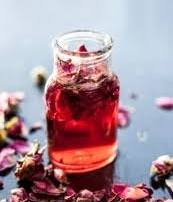
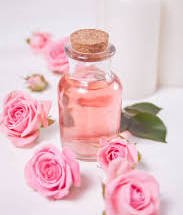
Rose water, known as Gulab Jal in India, is one of the most popular natural products used for centuries. Its gentle fragrance, cooling nature, and multiple benefits have made it a part of homes, temples, beauty products, medicines, and food items. From religious ceremonies to skincare and from sweets to beverages, rose water has found a special place in everyday life.
What is Rose Water?
Rose water is a fragrant liquid prepared by distilling fresh rose petals with water. The petals release their natural oils and aroma during the process, creating a soothing and aromatic liquid known as rose water.
India is one of the major producers of rose water, especially using fragrant roses grown in different regions.
Health Benefits of Rose Water
- Cooling Effect on the Body
Rose water is naturally cooling and helps provide freshness during hot weather.
- Eye Care
Many people traditionally use pure rose water to soothe tired eyes and reduce irritation. However, only medically approved sterile rose-water products should be used in the eyes.
- Skin Care
Rose water is widely used as a natural toner. It helps refresh the skin and is commonly found in creams, face packs, and beauty products.
- Stress Relief
Its pleasant fragrance helps create a calming environment and may help reduce mental fatigue.
- Traditional Medicine
In Ayurveda and Unani medicine, rose water has been used in various preparations for its cooling and soothing properties.
Importance in Religious Activities
Rose water plays an important role in many religious ceremonies.
Used in temples and worship places.
Sprinkled during puja and religious gatherings.
Offered with flowers during prayers.
Used in spiritual events for creating a pleasant atmosphere.
Because of its purity and fragrance, rose water is considered auspicious in many traditions.
How is Rose Water Made?
The manufacturing process generally involves:
Collecting fresh rose petals.
Washing and cleaning the petals.
Heating them with purified water.
Distillation process to extract aroma and essence.
Filtering and bottling the final product.
Thousands of kilograms of rose petals may be processed during the flowering season.
Major Rose-Producing Areas
Rose cultivation is common in several parts of India, including:
Uttar Pradesh
Rajasthan
Madhya Pradesh
Haryana
Punjab
Karnataka
The city of Kannauj in Uttar Pradesh is especially famous for perfumes, attars, and rose-water production.
Which Companies Make Rose Water?
Many companies manufacture rose water products, including:
Dabur
Patanjali
Himalaya
Khadi Natural
Baidyanath
Zofla
Several local Ayurvedic and cosmetic manufacturers
Because demand is high, there is strong competition among large and small producers.
Production and Market Demand
Rose water is produced throughout the year, though production increases during rose-harvesting seasons.
It is sold through:
Medical stores
Cosmetic shops
Grocery stores
Religious goods stores
Online marketplaces
Millions of bottles are sold annually due to its use in beauty, food, and religious activities.
Export and Import
India exports rose water and related products to many countries, including:
United States
United Kingdom
United Arab Emirates
Saudi Arabia
Canada
Australia
International demand is increasing because natural products are becoming more popular worldwide.
Is Rose Water Made in Other Countries?
Yes. Rose water is produced in many countries such as:
Iran
Turkey
Bulgaria
Morocco
Egypt
Pakistan
Some countries are famous for growing highly fragrant roses used in perfumes and rose-water production.
Use of Rose Water in Food
Rose water is widely used in food preparation because of its sweet floral aroma.
Sweets
Gulab Jamun
Rasgulla
Rasmalai
Kheer
Barfi
Beverages
Sharbat
Falooda
Milk drinks
Traditional summer drinks
Desserts
Puddings
Custards
Sweet dishes
Is Rose Water Used in Ice Cream and Cakes?
Yes.
Ice Cream
Rose-flavored ice cream is popular in many regions. Rose water is added to provide fragrance and taste.
Cakes
Bakers often use rose water in:
Cakes
Pastries
Cupcakes
Frostings
It adds a delicate floral flavor that many people enjoy.
Industrial Uses
Rose water is also used in:
Perfumes
Room fresheners
Incense products
Cosmetics
Herbal products
Ayurvedic preparations
Beauty treatments
Economic Importance
Rose cultivation and rose-water manufacturing provide employment to:
Farmers
Flower growers
Distillation workers
Packaging industries
Retail businesses
This creates income opportunities for thousands of families.
Conclusion
Rose water is much more than a fragrant liquid. It connects agriculture, health, spirituality, beauty, and food traditions. From temples and homes to medicines and desserts, rose water continues to be a valuable natural product. Its refreshing fragrance, cooling properties, and wide range of applications make it one of the most loved traditional products in India and many countries around the world.