
The NOAA Fisheries reminds us that sustainably sourced seafood is the most “environmentally efficient source of protein on the planet.” That’s one reason why prioritizing sustainable seafood matters to us not just on Earth Day, but every day of the year. From the early days of our company, our goal has been to connect customers throughout the entire U.S. with access to the freshest, healthiest seafood available. Enjoying the benefits of healthy seafood shouldn’t be a privilege based on where you live.
Maine Lobster Now is dedicated to providing information about the sourcing of our products and their regions of origin. When you order from us, you know you’re getting the highest-quality seafood available. Sourcing our food responsibly and doing our part to protect the planet ensures the long-term viability of seafood populations that bolster the fishing industry and local economy in Maine.
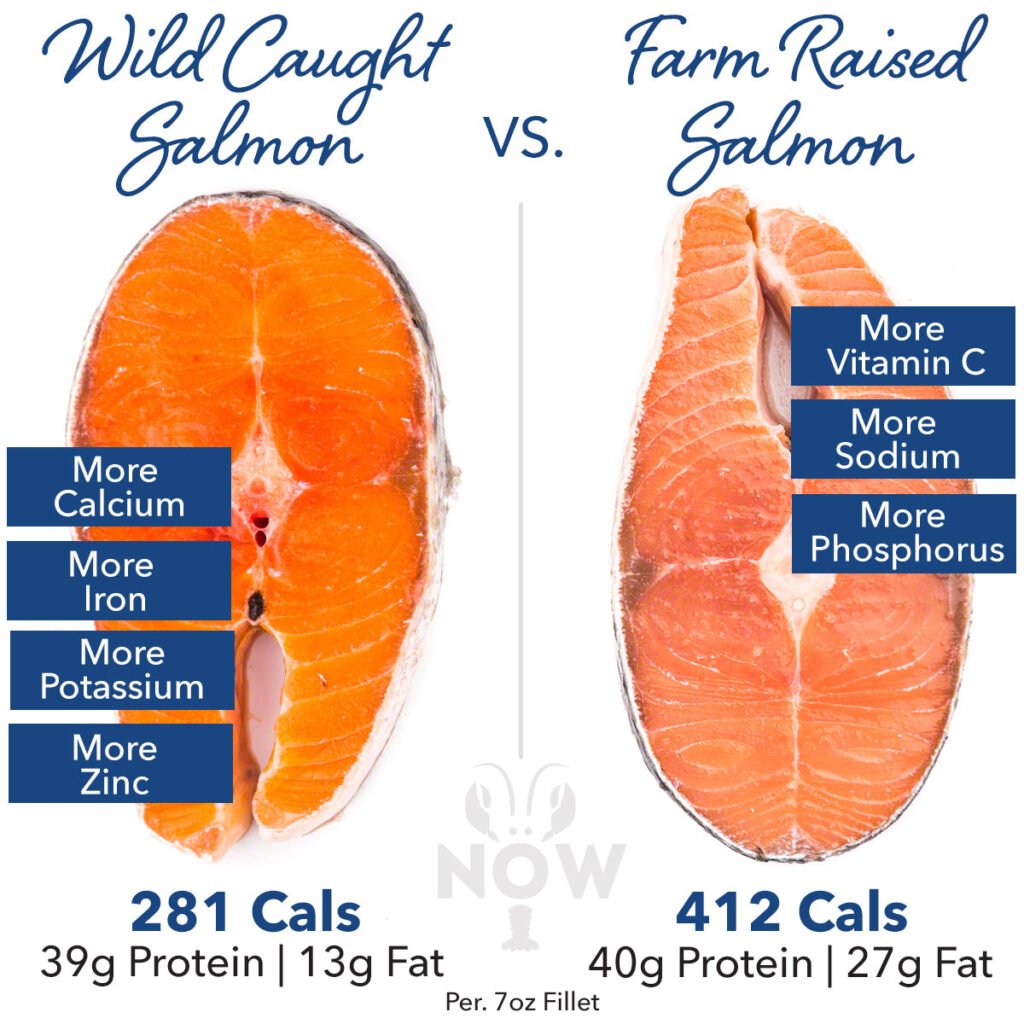
It’s also important to note, as it can be a common misconception, that both wild-caught and farmed seafood can be considered sustainably sourced when done responsibly.
There are many benefits to prioritizing sustainable seafood in your diet on Earth Day and throughout the rest of the year. These are the 5 biggest benefits of prioritizing sustainable seafood.
Sustainable seafood is a healthy choice that’s good for the planet. It’s rich in nutrients like omega-3s, protein, and vitamins, and it can help reduce the risk of heart disease.
Health benefits
- Heart health: Omega-3s in seafood can reduce inflammation and cholesterol, and lower the risk of heart attack
- Brain health: Fish can help reduce cognitive decline as you age
- Eye health: Fatty fish rich in omega-3s can help maintain and improve eye health
- Energy: Seafood is a good source of lean protein, which can help build muscle and rejuvenate damaged cells
Environmental benefits
- Reduces carbon footprint: Seafood production is less carbon-intensive than land-based proteins
- Reduces habitat impact: Sustainable practices minimize impacts to sensitive species and habitats
- Promotes food security: By eating a variety of sustainable seafood, we can help communities that rely on seafood that’s threatened by ecological shifts and global warming
How to choose sustainable seafood
- Look for seasonal and local seafood options
- Choose fish that are lower on the food chain, like barramundi, which have lower levels of contaminants
Sustainable seafood practices prioritize the health of marine ecosystems while ensuring long-term availability. Choosing sustainable options offers numerous health benefits, including rich omega-3 fatty acids, lean protein, and essential vitamins and minerals. Simultaneously, it minimizes environmental impact, protecting biodiversity and reducing overfishing. Informed consumer choices are crucial for promoting a healthier planet and a healthier you. Introduction
In an era where environmental consciousness is paramount, the choices we make regarding our food sources have far-reaching implications. Sustainable seafood emerges as a powerful intersection between personal health and planetary well-being. By opting for seafood harvested or farmed in ways that minimize environmental impact, we contribute to the preservation of marine ecosystems while reaping numerous health benefits.
Understanding Sustainable Seafood
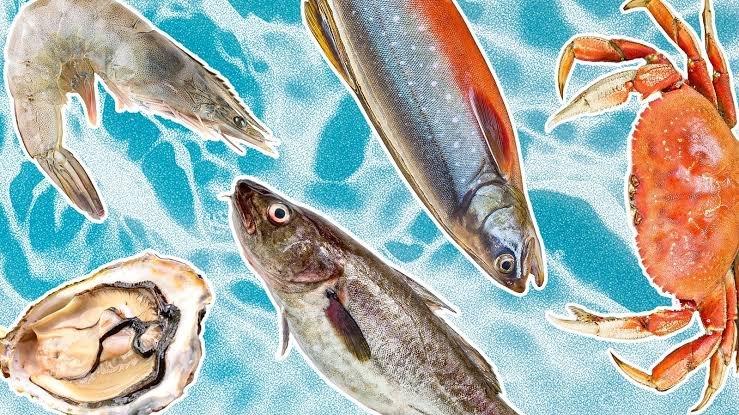
Sustainable seafood refers to fish and shellfish that are caught or farmed in ways that maintain healthy populations and minimize damage to the surrounding environment. This encompasses a broad spectrum of practices, including:
Certification Programs: Relying on recognized
Responsible Fishing Practices: Avoiding overfishing, minimizing bycatch (unintended catch of other species), and protecting sensitive habitats.
Responsible Aquaculture: Farming seafood in ways that minimize pollution, disease, and habitat destruction.
Traceability: Ensuring that seafood can be traced back to its source, allowing consumers to make informed choices.
Certification Programs: Relying on recognized certification programs, such as the Marine Stewardship Council (MSC) and Aquaculture Stewardship Council (ASC), which set standards for sustainable practices. Health Benefits of Sustainable Seafood
Sustainable seafood offers a plethora of health benefits, making it a valuable addition to a balanced diet:
Improved Mental Health: Research indicates that omega-3 fatty acids found in seafood can have positive effects on
Omega-3 Fatty Acids: Many sustainable seafood options, particularly fatty fish like salmon, mackerel, and sardines, are rich in omega-3 fatty acids. These essential fats have been shown to reduce the risk of heart disease, lower blood pressure, improve brain function, and reduce inflammation.
Lean Protein: Seafood is an excellent source of lean protein, which is essential for building and repairing tissues, supporting immune function, and maintaining healthy muscle mass.
Vitamins and Minerals: Sustainable seafood is packed with essential vitamins and minerals, including vitamin D, vitamin B12, selenium, and iodine. These nutrients play crucial roles in various bodily functions, from bone health to thyroid function.
Lower Mercury Levels: Choosing sustainable seafood options often means opting for smaller fish varieties, which tend to have lower mercury levels compared to larger, predatory fish. This is particularly important for pregnant women and young children.
Improved Mental Health: Research indicates that omega-3 fatty acids found in seafood can have positive effects on mental health, potentially reducing symptoms of depression and anxiety.
Environmental Benefits of Sustainable Seafood
Beyond personal health, sustainable seafood practices contribute to a healthier planet:
- Protecting Biodiversity: Sustainable fishing practices help maintain healthy fish populations and protect the delicate balance of marine ecosystems.
- Reducing Overfishing: Overfishing is a major threat to marine biodiversity. Sustainable practices help ensure that fish populations can replenish themselves, preventing depletion.
- Minimizing Bycatch: Sustainable fishing methods reduce bycatch, preventing the unintended capture and death of non-target species.
- Protecting Habitats: Sustainable aquaculture practices minimize damage to sensitive habitats, such as mangroves and coral reefs.
- Reducing Environmental Pollution: Sustainable aquaculture practices reduce pollution from fish farms, minimizing the impact on water quality and surrounding ecosystems.
Making Sustainable Seafood Choices
Making sustainable seafood choices requires informed decision-making. Here are some practical tips:Look for Certification Labels: Seek out seafood products with certification labels from reputable organizations like the MSC and ASC.
Choose Smaller Fish Varieties: Smaller fish tend to have lower mercury levels and are often more sustainably harvested.
Diversify Your Seafood Choices: Explore a variety of seafood options, rather than relying on a few popular species.
Ask Questions: Inquire about the origin and harvesting methods of the seafood you purchase.
Support Local Fisheries: Consider purchasing seafood from local fisheries that employ sustainable practices.
Use Seafood Guides: Utilize seafood guides from organizations like the Monterey Bay Aquarium’s Seafood Watch to make informed choices. The Interconnectedness of Health and Environment
The concept of sustainable seafood underscores the interconnectedness of human health and environmental health. By making conscious choices that prioritize sustainability, we contribute to a healthier planet, which, in turn, supports our own well-being.
Conclusion:
Sustainable seafood represents a powerful synergy between personal health and environmental responsibility. By making informed choices, we can enjoy the nutritional benefits of seafood while safeguarding the health of our oceans for future generations. Embracing sustainable seafood practices is a crucial step towards creating a healthier and more sustainable future for both ourselves and the planet.
Q&A Section:
Q1: What are the main benefits of choosing sustainable seafood over non-sustainable options?
Ans: Sustainable seafood benefits both your health and the planet. It provides rich nutrients like omega-3s and lean protein while protecting marine ecosystems from overfishing and habitat destruction.
Q2: How can I identify sustainable seafood when shopping
Ans: Look for certification labels like MSC or ASC, choose smaller fish varieties, diversify your seafood choices, ask questions about origin, and use seafood guides.
Q3: Is sustainable aquaculture better than wild-caught sustainable seafood?
Ans: Both can be sustainable. Sustainable aquaculture, when done correctly, minimizes pollution and habitat damage. Wild-caught sustainable seafood avoids overfishing and bycatch. The most important factor is if the seafood is certified as sustainable.
Q4: Why is it important to avoid overfishing?
Ans: Overfishing depletes fish populations, disrupts marine ecosystems, and can lead to the collapse of fisheries, affecting both the environment and the livelihoods of fishing communities.
Q5: What impact does my individual seafood choice have on the environment?
Ans: Individual choices collectively have a significant impact. By choosing sustainable seafood, you support responsible fishing practices, protect marine biodiversity, and contribute to a healthier planet.
