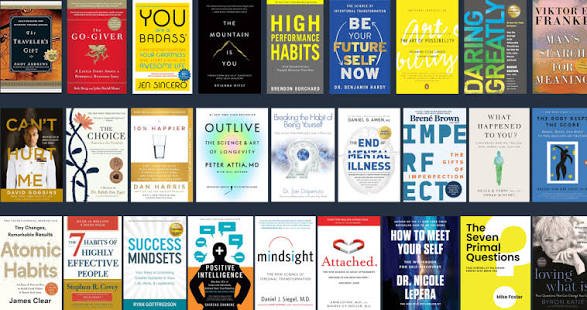
Self-help books cultivate positivity by offering mindset shifts, practical tools, and inspiration to reframe thoughts, build good habits (like in Atomic Habits), challenge negativity (e.g., Mindset, Stoicism), and encourage self-acceptance (The Gifts of Imperfection), transforming readers through actionable steps and new perspectives for daily application, not just passive reading.
How They Cultivate Positivity
- Mindset Transformation: Books like Mindset by Carol Dweck and Stoic philosophy teach a growth mindset, helping you see challenges as opportunities.
- Habit Formation: Atomic Habits provides a framework for small, consistent actions that build positive behaviors and a more positive environment.
- Practical Tools: Authors offer exercises, like reframing negative thoughts, practicing gratitude, or mindfulness (as in The Power of Now), to shift your focus.
- Emotional Intelligence: Books like Brené Brown’s help you understand and accept imperfections, fostering self-compassion, a key to positivity.
- Empowerment: They provide a sense of control by offering strategies to overcome obstacles and align your life with your true potential.
Effective Strategies for Using Them
- Read Actively: Take notes, highlight key ideas, and treat it like a textbook, not a novel.
- Prioritize & Apply: Choose 1-3 key takeaways and design small, consistent routines to implement them daily.
- Start Small: Implement tiny habits first to build momentum, as taught in Atomic Habits.
- Focus on One Book: Master the concepts of one book before moving to the next to avoid overwhelm and ensure real change.
- Journal: Write down your thoughts and how you’re applying the book’s lessons to track progress and find new improvements.
Popular Books for Positivity
- Atomic Habits by James Clear
- The Gifts of Imperfection by Brené Brown
- Mindset by Carol Dweck
- The Power of Positive Thinking by Norman Vincent Peale
- The Happiness Advantage by Shawn Achor

Self-help books serve as gentle companions on our journey to a happier, more positive life. They offer insights, tools, and inspiration to reshape negative thoughts and embrace optimism. By integrating their wisdom into daily routines, self-help books empower us to build resilience, nurture self-awareness, and cultivate a fulfilling, joyful existence.
Understanding the Power of Positivity
Before diving into the role of self-help books, let’s talk about positivity. A positive mindset doesn’t mean ignoring challenges or pretending life is perfect. No, my child, it’s about choosing to see opportunities amidst difficulties, focusing on solutions, and nurturing gratitude for the little blessings. Positivity is like a muscle; the more you exercise it, the stronger it becomes.
Self-help books often emphasize this perspective, teaching us that our thoughts shape our reality. By shifting our mindset, we can unlock new possibilities and find joy even in the simplest moments.
The Role of Self-Help Books in Personal Growth
Now, let me tell you why self-help books are like a wise elder’s advice wrapped in pages:
- Insights and Perspectives: Self-help books provide fresh ways of looking at life. They share stories, research, and practical strategies that can open your eyes to new possibilities. For instance, books like “The Power of Now” by Eckhart Tolle emphasize living in the present, teaching us to let go of regrets and anxieties.
- Practical Tools: Many self-help books are packed with exercises, journals, or reflection prompts. These tools help you actively work on yourself rather than passively consuming information. Writing down affirmations or listing your daily blessings might seem small, but they have a cumulative impact.
- Inspiration and Motivation: When life feels heavy, these books can reignite your spirit. Reading about others’ struggles and triumphs makes you realize you’re not alone. It’s like a gentle nudge, reminding you to keep going.
- Building Self-Awareness: Many self-help books encourage introspection. They ask questions that make you pause and think deeply about who you are, what you value, and what’s holding you back. This clarity is the foundation of positive change.
- How to Choose the Right Self-Help Book
- Not all books will resonate with everyone. Just like different teas soothe different moods, self-help books cater to various needs. Here’s how to find one that suits you:
- Identify Your Goals: What do you want to achieve? Are you looking to boost your confidence, improve relationships, or manage stress? Knowing your purpose will narrow down your choices.
- Read Reviews and Summaries: Take a moment to see what others have gained from a book. Honest reviews often give a glimpse of whether the content aligns with your needs.
- Check the Author’s Credibility: Look for authors with expertise or personal experience in the area they write about. For example, Brené Brown’s work on vulnerability and courage stands out because of her research and relatable storytelling.
- Trust Your Instincts: Sometimes, a title or a single quote from a book might speak to you. Follow that intuition; it’s often spot-on.
- Tips for Effectively Using Self-Help Books
- Merely reading isn’t enough, my dear. You must take action! Here’s how to make the most of these books:
- Read Actively: Highlight passages that resonate with you. Write notes in the margins. Treat the book as a dialogue, not just a monologue.
- Apply What You Learn: Put the advice into practice. If a book suggests journaling, start a journal. If it emphasizes meditation, set aside time each day to meditate.
- Be Patient with Yourself: Change doesn’t happen overnight. Keep revisiting the lessons and implementing them bit by bit. Progress is progress, no matter how small.
- Discuss with Others: Sharing insights with friends or joining book clubs can deepen your understanding and keep you motivated.
- Books to Consider for Cultivating Positivity
- Here are a few timeless gems: “The Power of Positive Thinking” by Norman Vincent Peale: This classic teaches the importance of faith and optimism.
- “Atomic Habits” by James Clear: A guide to building tiny habits that lead to significant changes.
- “The Four Agreements” by Don Miguel Ruiz: Practical wisdom for personal freedom and peace.
- “You Are a Badass” by Jen Sincero: A fun, empowering read that encourages self-love and confidence.
- “Mindset” by Carol S. Dweck: Learn how adopting a growth mindset can transform your approach to challenges.
- Challenges You Might Face
- Now, let’s talk about a few hurdles. Sometimes, it’s easy to feel overwhelmed by the sheer amount of advice. Or perhaps you might struggle with staying consistent. Remember, my dear, that it’s okay to take things one step at a time. Focus on what feels manageable, and don’t hesitate to revisit a book whenever you need.
- Q&A Section
- Q1: How do I stay consistent with applying lessons from self-help books?
- Ans: Create small, actionable goals based on the book’s advice. For instance, if it’s about gratitude, start with listing three things daily.
- Set reminders to keep yourself on track.
- Q2: What if I don’t feel motivated to read?
- Ans: Choose a book with a conversational tone or one with short chapters. Dedicate just 10 minutes a day; often, that’s enough to spark interest.
- Q3: Can I read multiple self-help books at once?
- Ans: While it’s possible, it’s better to focus on one book at a time to fully absorb and implement its lessons.
- Q4: Are self-help books a replacement for professional help?
- Ans: No, dear. They’re a wonderful supplement but not a substitute. For deeper issues, professional counseling or therapy can be invaluable.
- Q5: How do I measure my progress?
- Ans: Reflect regularly on how you feel and behave. Are you reacting more calmly to stress? Do you feel more grateful or hopeful? These subtle changes indicate growth.
