
Introduction


Artificial Intelligence (AI) is changing the world faster than any previous technology. Tools like ChatGPT, AI chatbots, automation software, and machine learning system are now performing tasks that were once done only by humans. As a result, many people believe that AI is eating jobs and creating fear, uncertainty, and confusion among workers, students, and professionals.
This concern is real. Many traditional jobs are disappearing or shrinking. However, history shows that every major technological revolution removes some jobs but also creates new opportunities. The challenge today is not stopping AI, but learning how to survive, adapt, and earn money in an AI-driven world.
This article explains:
- Why AI and ChatGPT are replacing jobs
- Which jobs are most affected
- The reality vs myths about AI
- Solutions for candidates
- New earning fields created by AI
- Skill needed to succeed in the future
1. What Is AI and Why Is It Growing So Fast?
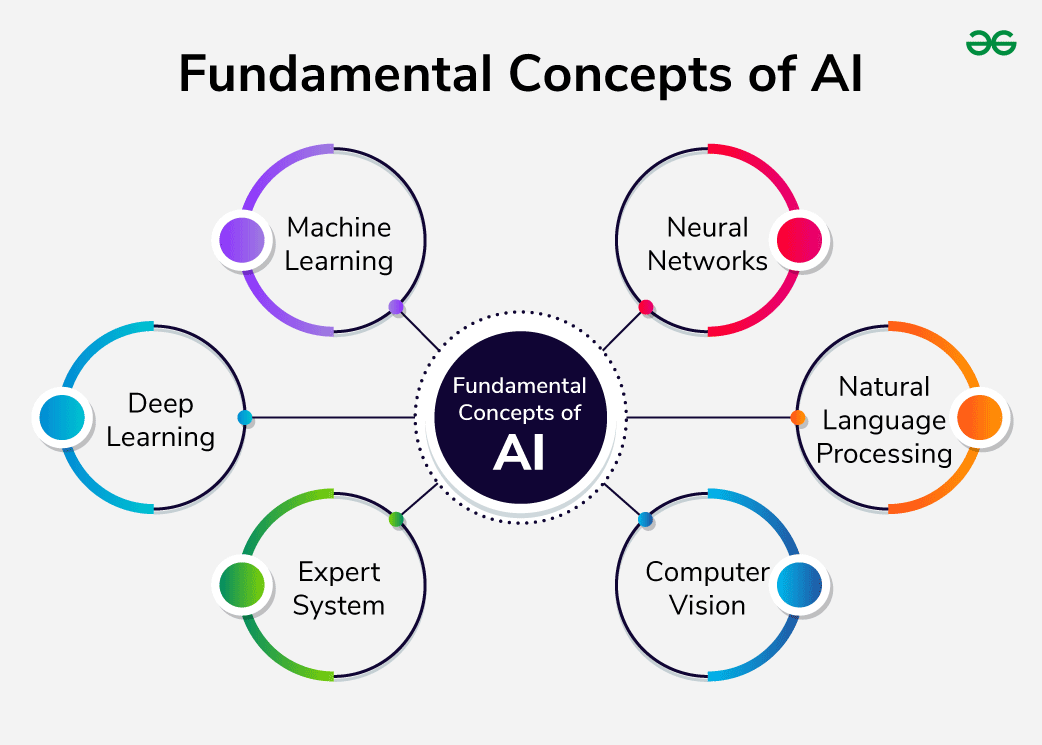

Artificial Intelligence refers to machines and software that can think, learn, analyze, and make decisions like humans. AI systems learn from large amounts of data and improve their performance automatically.
Reason for Fast AI Growth
- Availability of big data
- Faster computers and cloud systems
- Advanced algorithms
- Lower technology costs
- High demand for automation
ChatGPT is an example of Generative AI, which can write text, answer questions, generate ideas, and even help with coding.
2. Why AI ChatGPT and Automation Are Taking Jobs


2.1 AI Works Faster and Cheaper
AI can work:
- 24/7 without breaks
- With fewer errors
- At lower long-term cost
Companies prefer AI to reduce expenses.
2.2 AI Can Do Repetitive Work Easily
Jobs involving repetitive tasks are easy to automate, such as:
- Data entry
- Customer support
- Report generation
Chatgpt can answer thousands of customer queries in seconds.
2.3 Businesses Want Higher Productivity
AI helps companies:
- Increase output
- Reduce manpower
- Improve efficiency
This directly affects low-skill and routine jobs.
2.4 AI Is Becoming Smarter Every Day
Unlike humans, AI:
- Learns continuously
- Scales easily
- Improves with more data
This makes it more attractive for businesses.
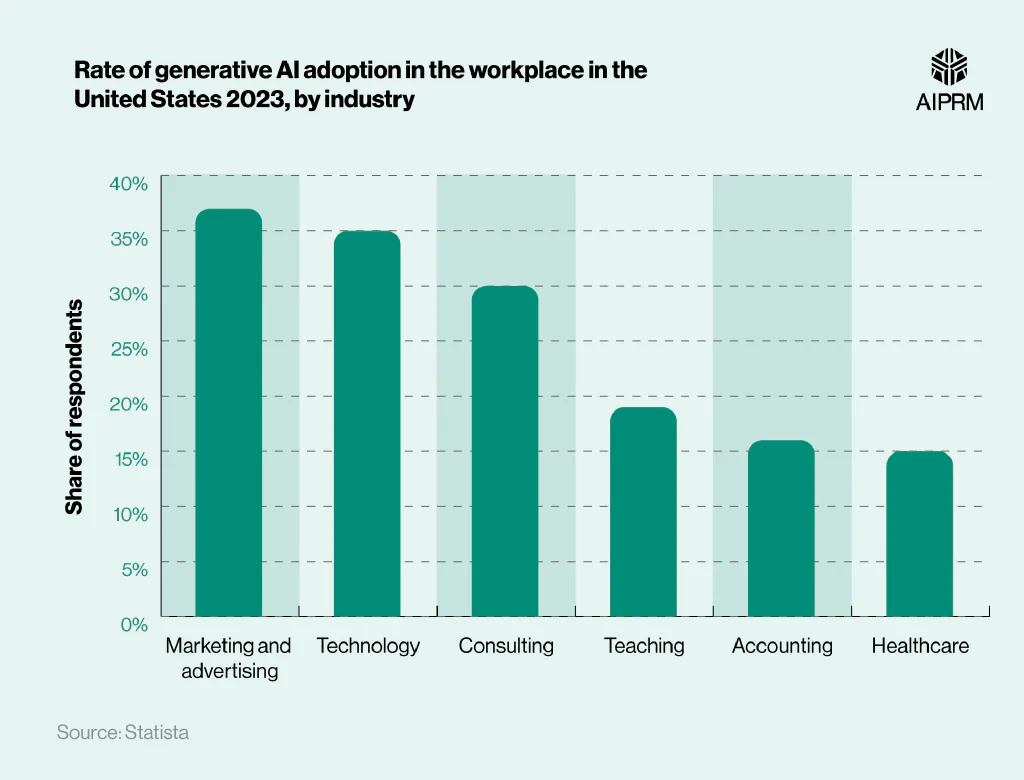
3. Which Jobs Are Most Affected by AI?


3.1 Office and Clerical Jobs
- Data entry operators
- Typists
- Record keepers
3.2 Customer Support and Call Centers
- Chatbots handle basic queries
- AI voice assistants replace agents
3.3 Content Writing (Low-Level)
- Basic blogs
- Product descriptions
- Simple articles
3.4 Accounting and Bookkeeping
- Invoice processing
- Expense tracking
3.5 Manufacturing and Factory Jobs
- Assembly line workers
- Quality checking
4. Jobs That AI Cannot Fully Replace
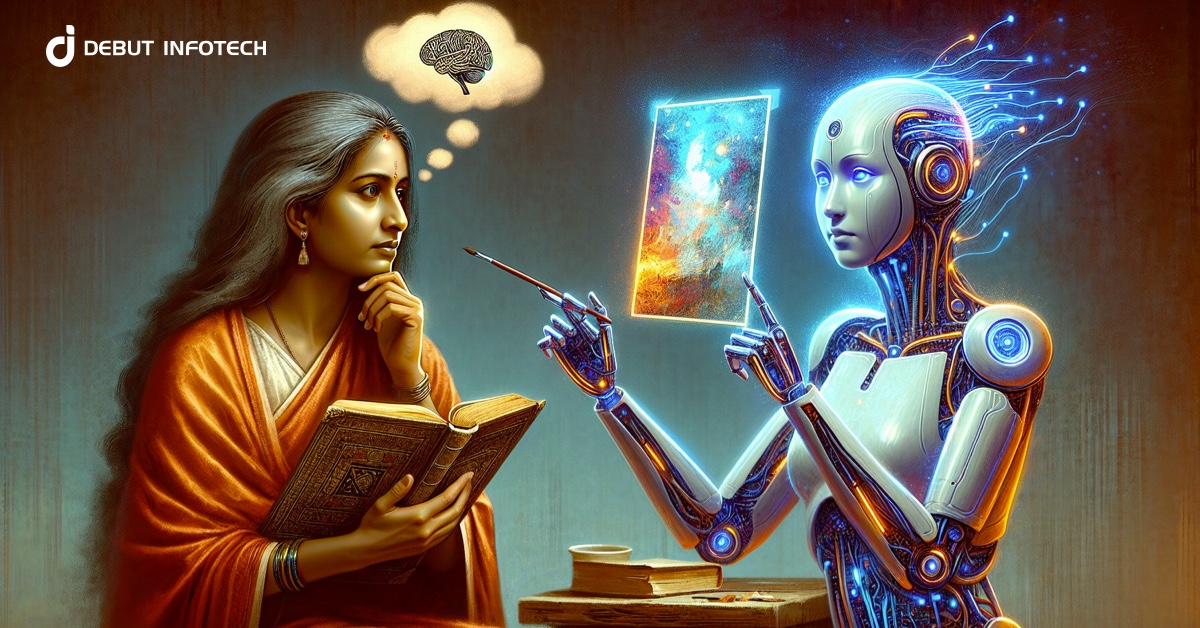



AI still struggles with human emotions, ethics, creativity, and complex judgment.
Safe Job Areas
- Teachers and mentors
- Doctors and nurses
- Psychologists
- Leaders and managers
- Creative artists
- Social workers
Human connection is still irreplaceable.
5. Is AI Really the Enemy? (Reality vs Myth)
Myth: AI will take all jobs
Reality: AI will change jobs, not destroy all of them
Myth: Only technical people can survive
Reality: AI needs creative, ethical, and human skills
Myth: AI means unemployment
Reality: AI creates new careers and income sources
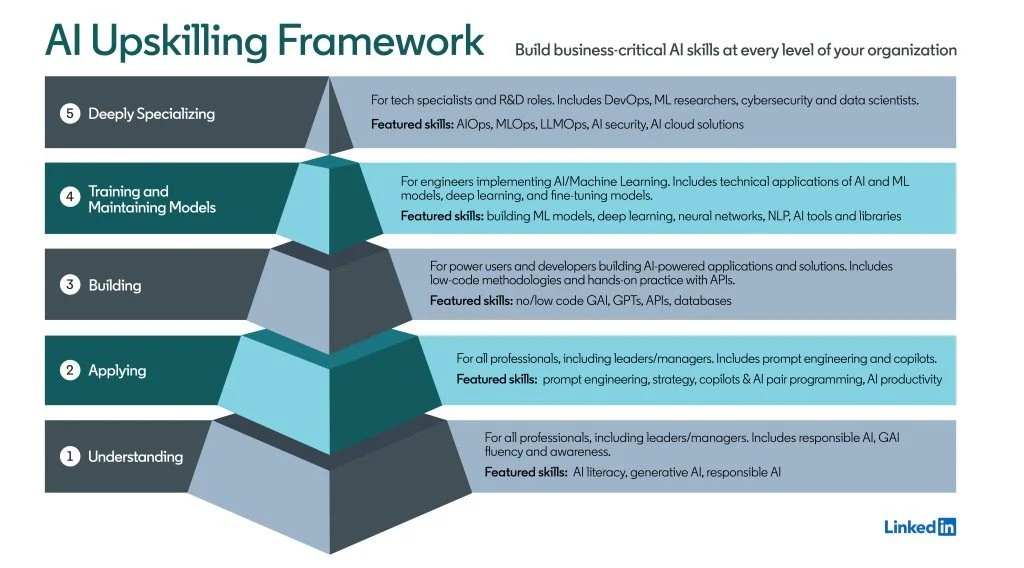
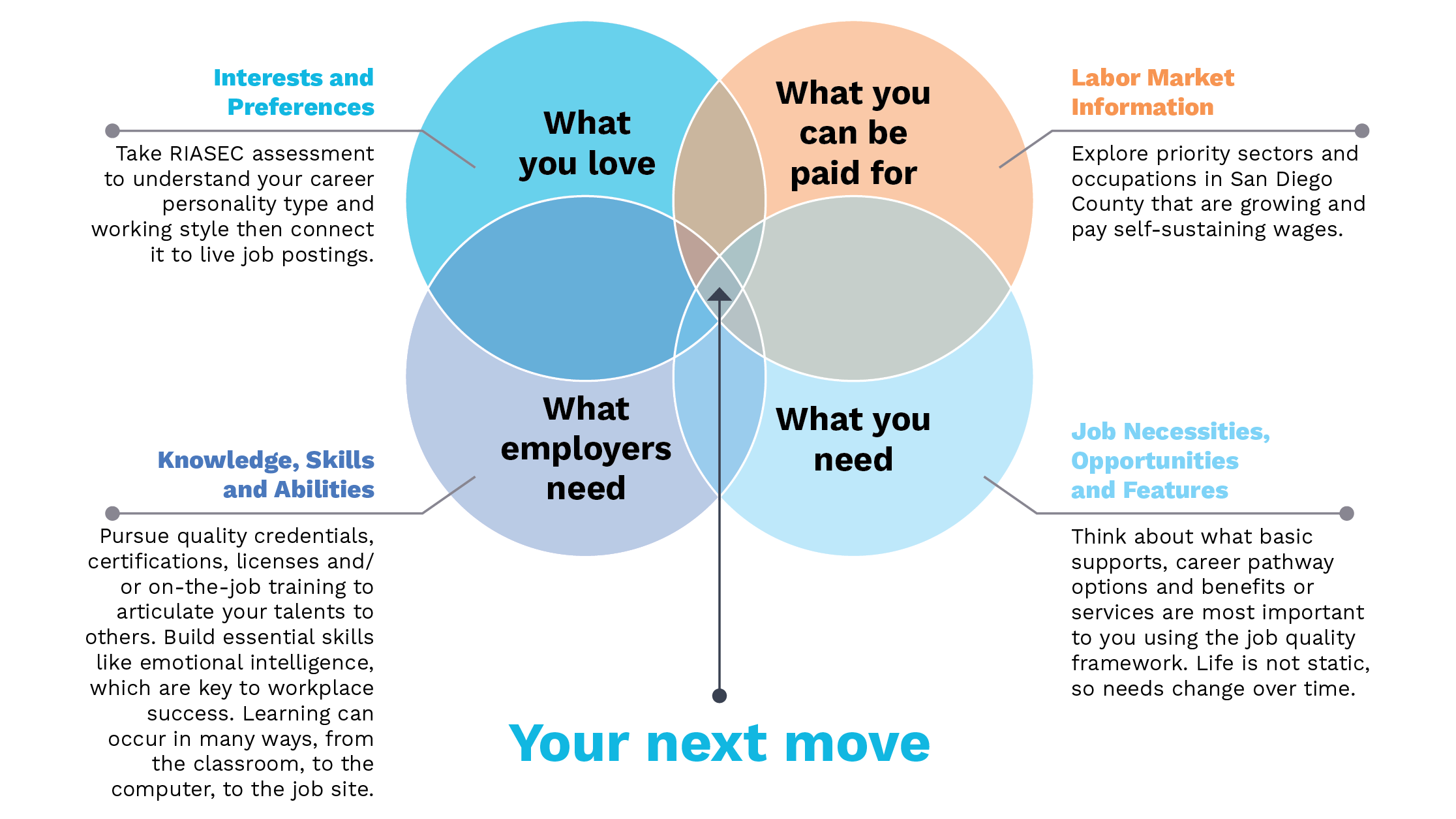
6. Solution for Candidates: How to Survive in the AI Era


6.1 Accept AI as a Tool, Not a Threat
Candidates should:
- Use AI to improve productivity
- Learn to work with AI
6.2 Learn New Skills (Upskilling & Reskilling)
Focus on:
- Digital skills
- Analytical thinking
- Creativity
- Problem-solving
6.3 Build Multiple Income Skills
One job is risky. Multiple skills create safety.
7. In Which Fields Can Candidates Earn Money in the AI Age?


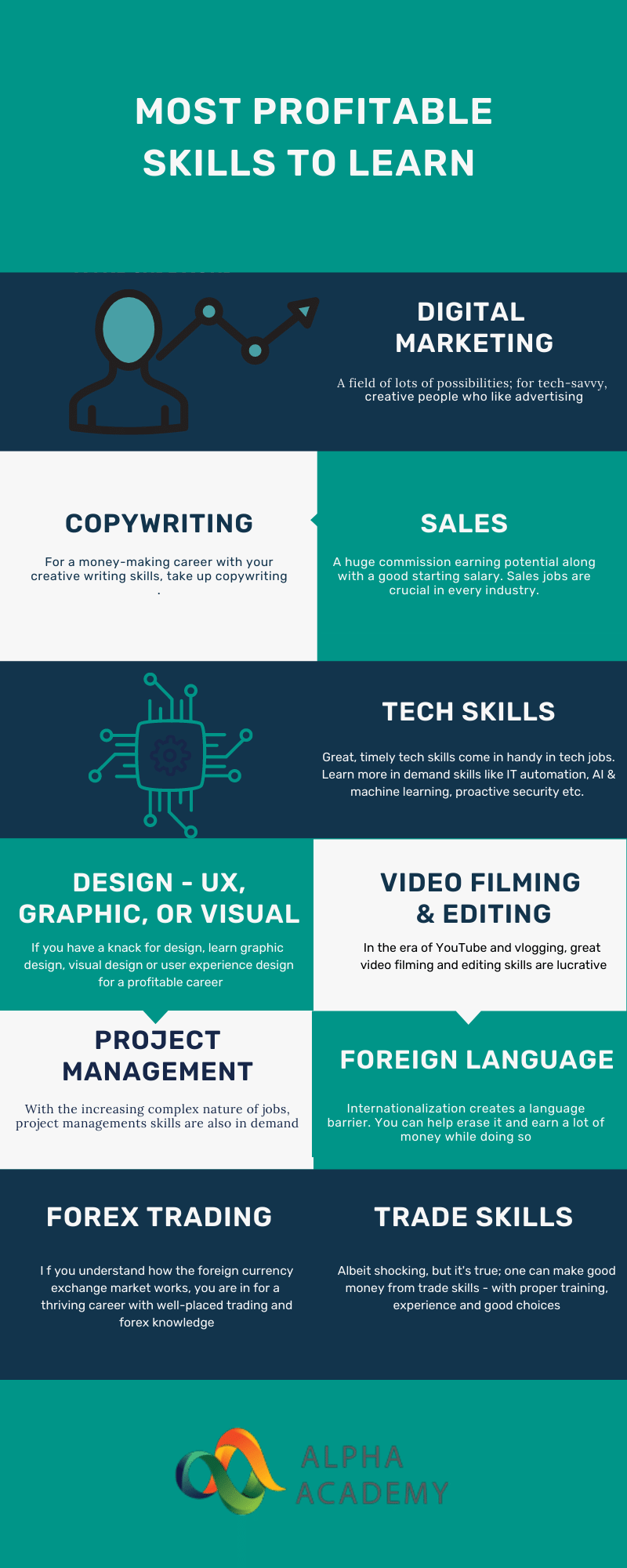
8. High-Demand Fields for Earning Money
8.1 AI Prompt Engineering
People who know how to ask the right questions to AI earn well.
Skills needed:
- Language understanding
- Logical thinking
8.2 AI-Assisted Content Creation
AI helps, but humans guide:
- Blogging
- YouTube scripts
- Copywriting
8.3 Data Analysis and Interpretation
AI gives data, humans interpret it.
Used in:
- Business
- Marketing
- Finance
8.4 Digital Marketing
AI tools assist marketing, but strategy is human.
Roles:
- SEO expert
- Social media manager
- Ads strategist
8.5 Software and App Development
AI helps coding, but humans design systems.
8.6 Cybersecurity
AI creates threats — humans protect systems.
8.7 Online Teaching and Coaching
Teaching:
- AI tools
- Coding
- Business skills
- Language skills
8.8 Freelancing and Remote Work
Platforms:
- Upwork
- Fiverr
- Freelancer
Skills + AI = higher income.
9. New Jobs Created Because of AI




Examples:
- AI trainer
- AI ethicist
- Automation consultant
- AI quality tester
- Human-AI interaction designer
10. How Students and Freshers Can Prepare
10.1 Learn Early
- AI basics
- Digital tools
10.2 Focus on Skills, Not Degrees Only
Skills matter more than certificates.
10.3 Practice Real Projects
- Freelance
- Internships
- Personal projects
11. Role of Government and Institutions
Governments should:
- Update education systems
- Promote skill-based learning
- Support job transitions
Institutions must:
- Teach future skills
- Encourage innovation
12. Ethical Use of AI and Human Responsibility
AI must be:
- Fair
- Transparent
- Responsible
Humans must control AI, not blindly depend on it.
13. Final Advice for Job Seekers
✔️ Do not fear AI
✔️ Learn continuously
✔️ Use AI as an assistant
✔️ Focus on creativity and human skills
✔️ Build flexible careers
Conclusion
Artificial Intelligence and tools like ChatGPT are changing the job market, not destroying humanity’s future. While some traditional jobs are disappearing, many new and better opportunities are emerging.
The real danger is not AI, but lack of adaptation. Candidates who learn new skills, embrace technology, and focus on human strengths will not only survive — they will thrive and earn more money than ever before.
AI is the future — and the future belongs to those who prepare today.
